

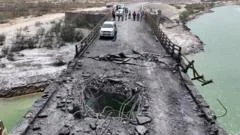
The United States has carried out airstrikes against Iran for a seventh consecutive night, escalating what is now the longest sustained US military campaign against Tehran in decades. The strikes, which began over a week ago, have drawn direct retaliation from Iran, targeting US allies in the region.
Kuwait Power Plant Hit in Retaliatory Attack
Kuwait confirmed on Tuesday that a power and water desalination plant was struck in an attack attributed to Iranian retaliation. The facility, critical for civilian infrastructure, suffered damage that has disrupted electricity and water supply in parts of the country. No casualties have been reported so far, but the attack marks a significant expansion of the conflict beyond direct US-Iran exchanges.
Why This Escalation Matters for the Region
The seventh night of strikes signals that neither side is backing down. For ordinary citizens across the Gulf, this means growing uncertainty about safety, essential services, and the stability of daily life. The attack on Kuwait’s infrastructure is particularly alarming because it shows Iran is willing to hit civilian targets in allied nations, raising the stakes for every country in the region.
Timeline of a Rapidly Escalating Conflict
The US began its initial strikes in response to what it described as imminent threats from Iranian-backed forces. Within days, the campaign intensified, moving from targeted strikes to broader bombardment. Iran’s retaliation began with attacks on US military positions in Iraq and Syria, and has now expanded to include infrastructure in allied Gulf states like Kuwait.
Who Is Affected by the Kuwait Attack
Residents of Kuwait are directly impacted by the damage to the power and water plant. Power outages and water shortages have been reported in affected areas, compounding the anxiety of a population watching a regional war unfold on their doorstep. The attack also threatens Kuwait’s economy, which relies heavily on stable utilities for its oil and gas sector.
Official Responses Remain Limited
Kuwaiti authorities have confirmed the attack and are assessing the damage. The US has not issued a detailed statement on the seventh night of strikes, while Iran has framed its retaliation as a legitimate response to US aggression. International calls for de-escalation have so far failed to produce a ceasefire.
What Is Driving This Unprecedented Campaign
The sustained nature of the US strikes suggests a strategic shift — moving from deterrence to degradation of Iranian military capabilities. However, Iran’s ability to retaliate against allied infrastructure indicates that the campaign has not yet achieved its objectives. Analysts warn that the conflict is entering a dangerous phase where miscalculation could trigger a full-scale regional war.
Confirmed Facts vs What Remains Unclear
Confirmed: US airstrikes have continued for seven nights. Iran has retaliated, hitting a Kuwaiti power and water plant. Kuwait confirmed the attack. Unclear: The full extent of damage in Kuwait. Whether the US will expand its strikes further. The status of any diplomatic backchannels. Whether other Gulf states have been targeted.
Risks and Balanced View
The escalation carries enormous risks. For the US, a prolonged campaign risks overextension and alienating regional allies. For Iran, continued retaliation invites even heavier strikes. For Kuwait and other Gulf nations, the conflict threatens their sovereignty and civilian safety. Critics argue that the US strategy lacks a clear exit plan, while supporters say the strikes are necessary to curb Iranian aggression. The human cost — both military and civilian — remains the most urgent concern.
Wider Regional Pattern
This escalation fits a broader pattern of increasing US-Iran confrontation across the Middle East. From proxy wars in Yemen and Syria to direct strikes in Iraq, the two countries have been on a collision course for years. The current campaign represents a dangerous departure from the usual tit-for-tat exchanges, moving toward open, sustained warfare.
Practical Guidance for Affected Populations
Residents in Kuwait and neighboring Gulf states should stay informed through official government channels and avoid areas near military or infrastructure targets. Those in affected areas of Kuwait should conserve water and power where possible and prepare for potential disruptions. Travelers should reconsider non-essential trips to the region until the situation stabilizes.
Future Outlook
The coming days will be critical. If the US continues its strikes and Iran retaliates further, the conflict could draw in other regional powers, including Saudi Arabia and the UAE. Diplomatic efforts, possibly through the UN or Gulf mediators, remain the only viable path to de-escalation. Without them, the region faces the prospect of a prolonged and devastating war.
Our Take
The seventh night of US strikes on Iran is not just another escalation — it is a signal that both sides have abandoned restraint. The attack on Kuwait’s power plant shows that no ally is safe, and no infrastructure is off-limits. For the international community, the priority must be an immediate ceasefire and a return to diplomacy. For the people of the Gulf, the nightmare of a regional war is no longer hypothetical — it is unfolding in real time.
Frequently Asked Questions
Why are US strikes on Iran continuing for a seventh night?
The US has not publicly stated a specific end goal, but the sustained campaign suggests an effort to degrade Iran’s military capabilities beyond what initial strikes achieved. Iran’s continued retaliation has also prevented a pause.
What happened in Kuwait?
Iran retaliated against US allies by striking a power and water desalination plant in Kuwait. The attack caused damage and disrupted essential services, though no casualties have been reported.
Is this a full-scale war between the US and Iran?
Not yet, but the escalation is unprecedented. The sustained airstrikes and retaliatory attacks on allied infrastructure bring the region closer to a full-scale conflict than at any point in recent years.
What should residents of the Gulf region do?
Stay informed via official government alerts, avoid areas near military or infrastructure targets, and prepare for possible disruptions to power, water, and communications. Travelers should reconsider non-essential trips to the region.