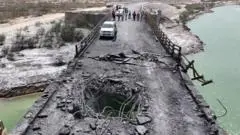
The United States military has forcefully rejected Iranian allegations that its latest airstrikes targeted civilian infrastructure, insisting the operations were focused solely on military objectives. The denial, issued by US Central Command, comes as both nations trade accusations following a new round of strikes in the region.
What the US Military Says About the Strikes
According to US military officials, the attacks were intended to “further degrade Iranian military capabilities.” The statement explicitly refutes claims from Tehran that civilian sites, including residential areas or critical infrastructure, were hit. The US has not provided detailed evidence of the targets but maintains that all strikes were against legitimate military assets.
Why Iran’s Civilian Infrastructure Claims Matter
Allegations of civilian infrastructure damage carry significant weight in international law and public opinion. If proven true, such strikes could be considered violations of the laws of armed conflict. By denying these claims, the US is seeking to preserve its legal and moral standing, while also countering Iranian narratives that could fuel regional anger or retaliation.
Background of the Latest Strikes
The latest US airstrikes are part of an ongoing campaign to degrade what Washington describes as Iranian military capabilities, including drone and missile programs. The strikes follow a period of heightened tensions, including attacks on US personnel and assets in the region. Iran has consistently condemned the operations as acts of aggression.
Human Impact: Who Is Affected?
If Iranian claims were accurate, civilians in the affected areas could face displacement, loss of services, or casualties. However, the US denial leaves the situation unclear. For now, residents in strike zones remain in a state of uncertainty, caught between conflicting official accounts and the reality of ongoing military operations.
Official Response and Source Attribution
The US military’s denial was communicated through official channels, including statements from US Central Command. Iranian officials have not yet provided independent evidence to support their claims of civilian infrastructure damage. No third-party verification, such as from the United Nations or independent journalists, is currently available.
Analysis: A Battle of Narratives
The competing claims represent a classic information war. For the US, denying civilian infrastructure hits is crucial to maintaining support from allies and domestic audiences. For Iran, alleging such damage serves to rally international sympathy and justify potential retaliation. Without independent verification, the truth remains contested.
Confirmed Facts vs What Remains Unclear
Confirmed: The US military has officially denied hitting civilian infrastructure. The stated purpose of the strikes was to degrade Iranian military capabilities. Unclear: Whether any civilian infrastructure was actually struck. The exact locations and targets of the airstrikes. Independent verification of either side’s claims is absent.
Risks and Balanced View
The lack of independent verification creates a risk of misinformation. If the US is inaccurate, it could face international condemnation. If Iran is fabricating claims, it risks losing credibility. Both sides have incentives to shape the narrative, making it essential for observers to await concrete evidence before drawing conclusions.
Wider Trend: Escalation in US-Iran Tensions
This incident is part of a broader pattern of escalating military and rhetorical exchanges between the US and Iran. From drone strikes to proxy conflicts, both nations have engaged in a cycle of action and accusation that shows no signs of de-escalation. The civilian infrastructure claim is the latest flashpoint in this long-running confrontation.
Practical Reader Guidance
For those following the situation, rely on official statements from both governments but treat them with caution until independent verification emerges. Avoid sharing unverified claims on social media. Monitor credible news outlets and international organizations for updates on any investigations.
Future Outlook
The next steps depend on whether either side provides evidence. Iran may release footage or invite international inspectors. The US could declassify targeting data. Without such moves, the dispute will likely remain unresolved, potentially fueling further tensions or retaliatory actions.
Our Take
This story underscores the fog of war and the power of narrative in modern conflict. The US denial is a necessary defensive move, but without transparency, it risks being seen as mere propaganda. Iran’s claims, if unsubstantiated, could backfire. For now, the truth is a casualty of the conflict itself.
Frequently Asked Questions
Did the US airstrikes hit civilian infrastructure in Iran?
The US military denies this, stating the strikes targeted only military capabilities. Iran claims otherwise, but no independent verification exists.
What was the purpose of the latest US airstrikes?
According to US officials, the strikes were intended to “further degrade Iranian military capabilities,” including drone and missile programs.
Why is the US denying Iran’s claims?
The US aims to counter Iranian propaganda, maintain international legal standing, and preserve credibility with allies and domestic audiences.
Is there independent evidence of civilian infrastructure damage?
No. No third-party verification from the UN, journalists, or other independent sources is currently available.