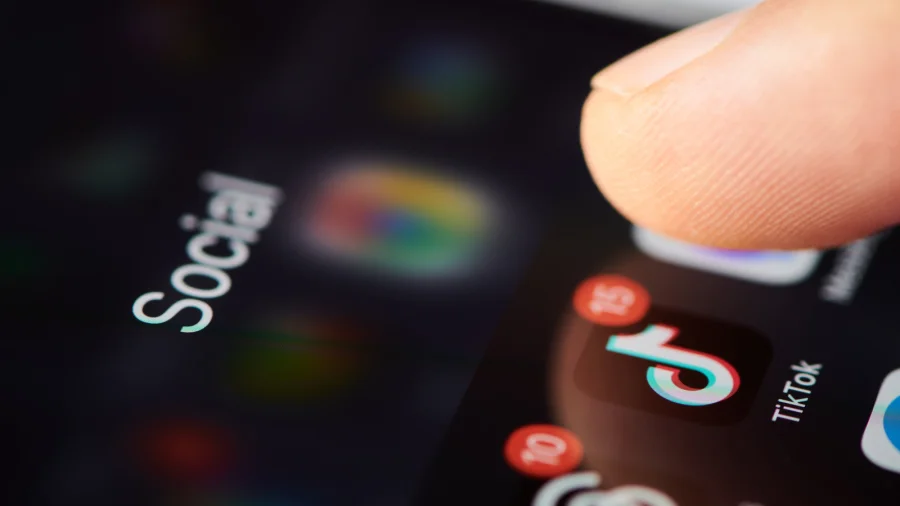
The US government has quietly reversed a major policy: TikTok is no longer banned on federal devices. For millions of federal employees, this means the popular video app is now accessible on government-issued phones and computers—a shift that has sparked both relief and renewed debate over national security.
What the TikTok Ban Lifting Means for Federal Workers
Until now, federal employees were prohibited from using TikTok on government devices due to concerns over data privacy and potential Chinese government access. The ban, first imposed in 2022, was part of a broader crackdown on the app. But with this reversal, workers can now download and use TikTok for official communications, outreach, or personal use—though agencies may still set their own rules.
Why the Ban Was Lifted: Security Reassessment or Policy Shift?
Officials have not detailed the exact reasons behind the decision, but sources suggest a reassessment of security risks and operational needs. The move may reflect a recognition that TikTok’s use for public engagement—such as recruiting, crisis communication, or information sharing—outweighs previous concerns. However, the decision does not signal a full endorsement of the app’s security.
Timeline of the TikTok Ban on US Government Devices
The ban was first enacted in December 2022, when Congress passed a law prohibiting TikTok on federal devices, citing risks of data leakage to China. In 2023, the ban was extended to all federal agencies. Now, in early 2025, the policy has been reversed, marking a significant shift in the government’s stance.
Who Is Affected by the TikTok Ban Lifting?
Federal employees across all agencies—from the Department of Defense to the Department of Education—are directly affected. For those who rely on TikTok for public outreach, the change is a practical win. But for security-conscious workers, the reversal may raise questions about data protection on government networks.
Official Response: What the Government Says
According to a statement from the Office of Management and Budget, the decision was made after a thorough review of security protocols and operational benefits. “We have determined that the risks can be managed through existing security measures,” an official said. The move was not accompanied by new data-sharing agreements with TikTok’s parent company, ByteDance.
Analysis: Why This Reversal Matters Beyond Federal Devices
The lifting of the ban is more than a policy change—it signals a potential thaw in the US government’s adversarial stance toward TikTok. While the app remains banned on federal devices in some countries, the US move could set a precedent for other governments. It also raises questions about whether the ban was ever effective, given that many employees used personal devices for TikTok anyway.
Confirmed Facts vs What Remains Unclear
Confirmed: The ban on TikTok for federal devices has been officially lifted. Unclear: Whether the government has negotiated new data security agreements with ByteDance. Also unclear: Whether individual agencies will impose their own restrictions. The decision does not affect state-level bans or the ongoing federal investigation into TikTok’s data practices.
Company Moat: Why TikTok’s Reach Matters
TikTok’s parent company, ByteDance, has built a massive user base through its algorithm-driven content platform. The app’s ability to engage younger audiences and drive viral trends gives it a unique position in social media. For the US government, allowing TikTok on federal devices could improve public engagement, especially for agencies targeting Gen Z and millennials.
Risks and Balanced View: Security Concerns Remain
Critics argue that lifting the ban ignores unresolved data privacy risks. TikTok has faced allegations of sharing user data with the Chinese government, though the company denies this. Security experts warn that federal devices could become vectors for data collection. Supporters counter that the ban was overly restrictive and that proper security protocols can mitigate risks.
Wider Trend: Social Media Policy in Government
This reversal is part of a broader trend of governments reassessing social media bans. In 2024, several US states lifted similar restrictions on TikTok for state employees. The move reflects a growing recognition that outright bans may be less effective than targeted security measures, such as device management and data encryption.
Practical Guidance for Federal Employees
If you are a federal employee, check your agency’s updated social media policy. While the ban is lifted, some agencies may still restrict TikTok use on classified networks. Consider using government-approved security software and avoid sharing sensitive information on the app. For public affairs officers, TikTok can be a valuable tool for outreach, but always follow agency guidelines.
Future Outlook: What Could Happen Next
The lifting of the ban could lead to further policy changes, such as formal data-sharing agreements with ByteDance or new federal guidelines for social media use. However, the decision may also face legal challenges from lawmakers who remain skeptical of TikTok’s security. The app’s future in the US government remains uncertain, but for now, federal workers have their TikTok access back.
Our Take
The reversal of the TikTok ban on federal devices is a pragmatic move that acknowledges the app’s utility for public engagement. But it does not resolve the underlying security concerns. The government must balance operational needs with data protection, and this decision should be accompanied by transparent security measures. For now, it’s a win for federal employees—but the debate over TikTok’s place in government is far from over.
Frequently Asked Questions
Is TikTok now allowed on all US government devices?
Yes, the federal ban has been lifted, meaning TikTok can be used on government-issued devices. However, individual agencies may still impose their own restrictions based on security needs.
Why did the US government lift the TikTok ban?
Officials cited a reassessment of security risks and operational benefits, including improved public engagement. The decision does not include new data-sharing agreements with ByteDance.
Does this mean TikTok is safe for government use?
Not necessarily. Security experts still raise concerns about data privacy. The government believes risks can be managed through existing security measures, but the app’s data practices remain under scrutiny.
What should federal employees do now?
Check your agency’s updated social media policy. Use TikTok responsibly, avoid sharing sensitive information, and follow security protocols. Some agencies may still restrict use on classified networks.