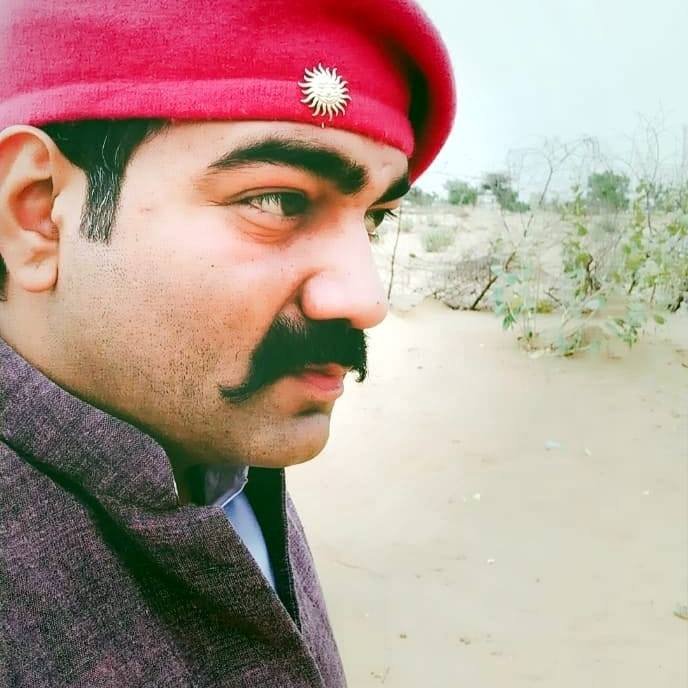
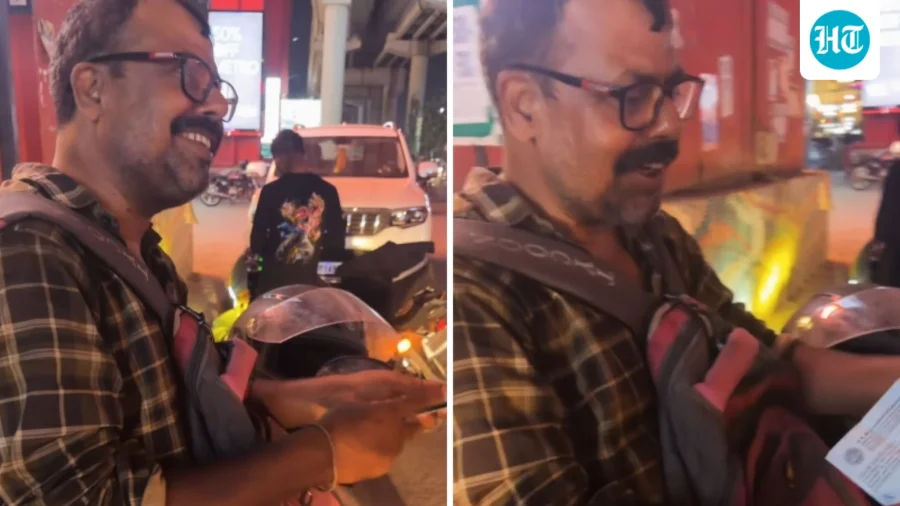
In a city where many chase financial freedom, one man in Delhi has chosen a different path — one defined not by comfort, but by purpose. A heart attack survivor who earns ₹80,000 every month from rental properties has refused to sit idle. Instead, he drives an Uber for 12 hours a day, from 10am to 10pm.
The man who chose work over retirement
The story, which has gone viral on social media, features a Delhi resident who could easily afford a life of leisure. With ₹80,000 in monthly rental income — a sum that comfortably covers living expenses for many middle-class families — he had every reason to rest. But after surviving a heart attack, he decided that idleness was not an option.
Why a financially secure man drives Uber
According to reports circulating online, the man believes that staying active — both mentally and physically — is essential after his health scare. Driving an Uber gives him a daily routine, a sense of purpose, and human interaction. For him, the job is not about money; it is about staying engaged with life.
From heart attack to daily grind — a timeline
The man suffered a heart attack some time ago, which prompted him to rethink his lifestyle. Rather than retiring into a sedentary life, he chose to take up driving for Uber. He reportedly works a full 12-hour shift every day, covering Delhi’s busy streets from morning until night.
Who is affected by this story
This story resonates with a wide audience — retirees, heart patients, gig workers, and anyone questioning the meaning of financial independence. It challenges the assumption that money alone brings happiness. For many Indians, especially those in urban centres like Delhi, the idea of working after achieving financial security is both inspiring and thought-provoking.
What the man himself has said
While no direct quotes from the man have been verified by major news outlets, social media posts attribute to him a simple philosophy: sitting idle after a heart attack is dangerous, both physically and mentally. Driving keeps him active, alert, and connected to the world. The story has been widely shared on platforms like X (formerly Twitter) and Reddit, with users praising his work ethic.
Why this story matters beyond the surface
At its core, this is not just a story about a man who drives an Uber. It is about the human need for purpose — especially after a life-altering event like a heart attack. In a country where retirement often means withdrawal from public life, this man’s choice to stay active offers a powerful counter-narrative. It also highlights the dignity of labour, regardless of one’s financial status.
Confirmed facts vs what remains unclear
Confirmed: The man earns ₹80,000 monthly from rental income. He is a heart attack survivor. He drives an Uber in Delhi from 10am to 10pm. His story has gone viral on social media.
Unclear: The man’s identity, exact age, and location have not been independently verified. No official statement from Uber or family members is available. The story relies on user-generated social media posts.
Risks and balanced view
While the story is inspiring, some experts caution that working 12-hour shifts after a heart attack may carry health risks. Driving in Delhi’s traffic and pollution could be stressful. The man’s decision should not be seen as a universal prescription — each individual’s health situation is unique. Critics also note that the story, while uplifting, may oversimplify the challenges faced by gig workers who drive out of necessity, not choice.
A wider trend: purpose over comfort
This story fits into a broader pattern of individuals — especially in urban India — choosing to work after achieving financial independence. From retired professionals taking up teaching to wealthy entrepreneurs starting second careers, the idea of “purpose over comfort” is gaining traction. It reflects a shift in how Indians view retirement, mental health, and the meaning of a well-lived life.
What readers can learn from this story
For those who are financially secure but feel adrift, this story offers a simple lesson: find something that gives you structure and connection. It does not have to be a job — it could be volunteering, a hobby, or learning a new skill. The key is to avoid isolation and inactivity, especially after a health crisis.
What could happen next
If the man’s identity becomes public, he may receive media attention or offers for brand endorsements. Uber could feature his story in its marketing. More broadly, his example may encourage other financially independent individuals to seek purposeful work. However, without verified details, the story may remain an inspiring anecdote rather than a documented case.
Our Take
This story is a reminder that financial security does not automatically guarantee fulfilment. The man’s choice to drive an Uber — despite having ₹80,000 in rental income — challenges conventional ideas of success. In a world that often equates wealth with leisure, he has chosen engagement over ease. Whether or not every detail is verified, the message is clear: purpose matters more than comfort.
Frequently Asked Questions
Why does a man earning ₹80,000 rent drive an Uber in Delhi?
He is a heart attack survivor who believes staying active is essential for his physical and mental health. Driving an Uber gives him a daily routine and purpose, not financial necessity.
Is the story of the Delhi Uber driver with rental income verified?
The story has gone viral on social media but has not been independently verified by major news outlets. The man’s identity and exact details remain unconfirmed.
What can we learn from this Uber driver’s story?
The story highlights the importance of purpose after financial independence or a health crisis. It suggests that staying active and connected can be more fulfilling than retirement.
Does Uber support drivers who work for purpose rather than income?
Uber has not commented on this specific case. However, the platform allows flexible work hours, making it accessible for individuals who want to work for non-financial reasons.