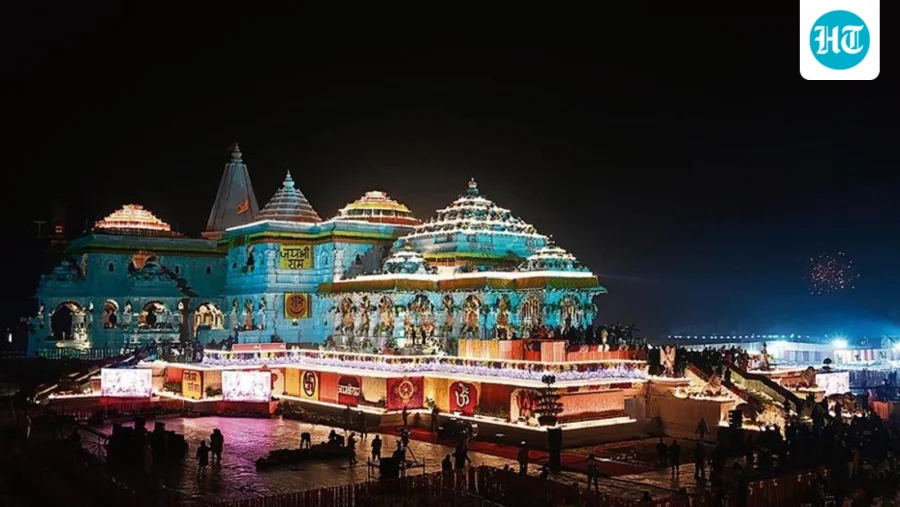
The race to become the first chief executive officer of the Shri Ram Janmabhoomi Teerth Kshetra Trust — the body that manages the Ram Temple in Ayodhya — has drawn a predominantly bureaucratic applicant pool. Retired government officers, many with decades of administrative experience, are leading the field, according to sources familiar with the process.
Who Can Apply for the CEO Role
The Trust has set broad eligibility criteria. Serving government officers in their final two years of service, retired officers from central or state governments, and eligible professionals from the private sector can apply. This open framework was designed to attract a wide range of candidates, but the response so far has been heavily skewed toward retired bureaucrats.
Why Retired Bureaucrats Are Leading the Race
Retired bureaucrats bring deep experience in public administration, project management, and government liaison — skills critical for managing a high-profile religious trust that interacts with multiple government departments. The Ram Temple project involves coordination with the Uttar Pradesh government, the central government, and various regulatory bodies. Former IAS and IPS officers, as well as retired officials from other civil services, are seen as natural fits for this role.
What the CEO Will Do
The CEO will oversee the day-to-day administration of the Ram Temple complex, including visitor management, security, financial oversight, and coordination with government agencies. The role also involves managing the Trust's long-term development plans for the temple precinct. Given the temple's national significance and the millions of devotees expected to visit annually, the position carries immense responsibility.
Official Response from the Trust
The Shri Ram Janmabhoomi Teerth Kshetra Trust has not officially commented on the applicant pool or the selection timeline. Sources indicate that the Trust's governing board will evaluate candidates based on administrative experience, integrity, and alignment with the Trust's vision for the temple's management.
Why This Appointment Matters
The first CEO will set the administrative tone for the temple complex for years to come. The role is not merely ceremonial — it involves managing a large operational budget, overseeing construction and maintenance, handling legal matters, and ensuring smooth pilgrim experiences. The choice of CEO will signal the Trust's priorities: efficiency, tradition, or a balance of both.
Confirmed Facts vs What Remains Unclear
Confirmed: Retired bureaucrats form the largest segment of applicants. The eligibility criteria include serving officers in their final two years, retired officers, and private-sector professionals. The Trust has not yet made a final selection.
Unclear: The exact number of applicants, the names of leading candidates, and the timeline for the final decision remain undisclosed. It is also unclear whether any private-sector professionals have applied.
Risks and Balanced View
Critics argue that a bureaucratic-heavy leadership may prioritize administrative processes over spiritual and community engagement. Others point out that retired bureaucrats may lack experience in managing a religious institution of this scale. However, supporters counter that the temple's operational complexity demands seasoned administrators who can navigate government systems and ensure compliance with legal and financial norms.
Wider Trend: Bureaucrats in Religious Trusts
The Ram Temple Trust's CEO search reflects a broader trend in India where retired civil servants are increasingly appointed to lead religious and charitable trusts. This pattern is driven by the need for professional management, transparency, and government liaison in large temple administrations. Similar appointments have been seen in other major temple trusts across the country.
Practical Guidance for Aspiring Candidates
For serving officers in their final two years of service, the application window remains open. Candidates should highlight their experience in project management, public administration, and stakeholder coordination. Private-sector professionals with experience in large-scale operations, hospitality, or event management may also find the role suitable, though they face stiff competition from bureaucratic applicants.
Future Outlook
The Trust is expected to announce the CEO appointment in the coming weeks or months. The selected candidate will likely take charge before the next major religious festival at the temple, ensuring smooth operations for the anticipated surge in pilgrim footfall. The appointment will be closely watched as a signal of the Trust's administrative direction.
Our Take
The dominance of retired bureaucrats in the applicant pool is unsurprising given the role's demands. The Ram Temple is not just a religious site — it is a national project requiring meticulous administration. However, the Trust must ensure that the chosen CEO balances bureaucratic efficiency with the spiritual and cultural sensitivity that the temple represents. The decision will shape the temple's governance for a generation.
Frequently Asked Questions
Who is eligible to apply for the Ram Temple Trust CEO position?
Serving government officers in their final two years of service, retired officers from central or state governments, and eligible private-sector professionals can apply.
Why are retired bureaucrats dominating the applicant pool?
Retired bureaucrats bring extensive experience in public administration, government liaison, and project management — skills directly relevant to managing a high-profile religious trust that interacts with multiple government departments.
What will the Ram Temple Trust CEO do?
The CEO will oversee day-to-day administration, visitor management, security, financial oversight, and coordination with government agencies for the Ram Temple complex in Ayodhya.
When will the CEO be appointed?
The Trust has not announced a specific timeline. The selection process is underway, and an appointment is expected in the coming weeks or months.