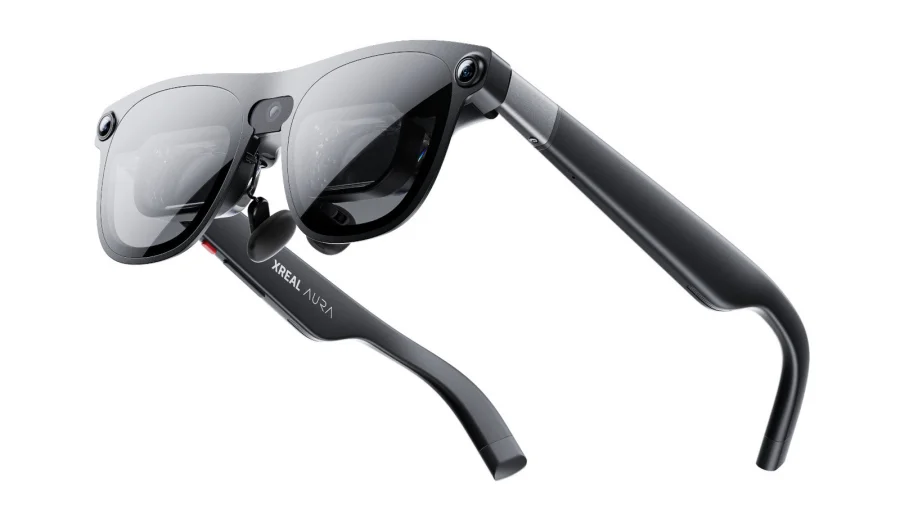
At $1,279, Xreal's Aura smartglasses aren't trying to be an impulse buy. They're asking you to spend flagship-laptop money on a device category that most people are still figuring out how to use.
That number — the minimum price for Xreal's Android XR glasses — is the first real signal of where the company sees itself in the market. Not a budget accessory. Not a toy. A premium piece of hardware.
What Xreal Aura Actually Is — and Why the Price Matters
Xreal's Aura is an Android XR smartglasses device, meaning it runs on Google's Android XR platform rather than a closed, company-specific system. It's powered by Qualcomm's Snapdragon Reality Elite chip, a processor built specifically for extended reality workloads.
That combination — Android XR plus a dedicated Qualcomm XR chip — is what separates Aura from simpler display glasses that just mirror your phone screen. The $1,279 starting price reflects that ambition, but it also raises an immediate question: who is this for?
The Price Puts Aura in Rarefied Air
Most consumer smartglasses today sit well below the $1,000 mark. Xreal's own earlier products have generally been positioned as more affordable display accessories. Aura breaks from that pattern.
At $1,279, the device competes less with budget AR glasses and more with high-end tablets, premium laptops, and flagship smartphones. That's a deliberate choice — and a risky one.
Why Qualcomm's Snapdragon Reality Elite Chip Is Central to the Story
The Snapdragon Reality Elite is designed to handle the heavy lifting that XR demands: real-time spatial tracking, rendering, and low-latency processing. Without a chip like this, smartglasses tend to feel sluggish or limited to basic notifications.
Xreal is betting that the performance gap justifies the price gap. Whether that bet pays off depends on what apps and experiences actually ship with Aura.
Who Feels This Price Most
Early adopters, developers, and professionals who already use XR tools are the most likely first buyers. For them, $1,279 may be a reasonable cost of doing business.
For casual users curious about smartglasses, the price is a hard stop. It's more than most people spend on a phone — and the everyday use case for XR glasses is still not obvious to the average buyer.
What Xreal Has Said — and What It Hasn't
Based on available information, the $1,279 figure is the confirmed starting price. Details around launch dates, regional availability, bundled apps, and long-term software support remain unclear.
That gap matters. A premium price without a clear ecosystem story is a tough sell, no matter how good the hardware is.
Reading the Strategy Behind the Number
Xreal appears to be positioning Aura as a serious Android XR device rather than a niche gadget. The Qualcomm chip and Android XR platform signal a long-term bet on the ecosystem, not a one-off product.
But premium pricing only works if the experience feels premium from day one. That's the bar Aura now has to clear.
Confirmed Facts vs What Remains Unclear
Confirmed: Xreal's Aura Android XR smartglasses will cost at least $1,279. The device is powered by Qualcomm's Snapdragon Reality Elite chip.
Unclear: Exact launch date, regional pricing differences, available apps, battery life, and whether the price includes any accessories or subscriptions. Any claims beyond these points should be treated as speculation.
Where Xreal's Advantage Could Lie
Xreal has spent years building display glasses and has an existing base of users and developer relationships. Pairing that experience with Android XR and Qualcomm silicon gives the company a credible foundation.
If Aura delivers on performance and app support, Xreal could carve out a premium niche before larger players crowd the space.
The Risks Aren't Small
Premium XR hardware has a history of struggling at launch. High prices limit adoption, which limits developer interest, which limits the apps that make the hardware worth owning.
There's also competition: other Android XR devices and established players could undercut Xreal on price or match it on features. A $1,279 starting point leaves little room for error.
A Bigger Shift Is Underway
Aura's pricing fits a broader pattern: XR is moving from novelty to serious platform. Google's Android XR, Qualcomm's dedicated chips, and premium hardware from multiple brands all point in the same direction.
The question is no longer whether XR glasses will exist — it's whether people will pay real money for them.
What Buyers Should Do Now
If you're curious about Aura, wait for full specifications, app lists, and independent reviews before committing. At this price, early adoption carries real risk.
Developers and professionals with a clear use case may find the value sooner. Everyone else should treat $1,279 as a reason to be patient, not impulsive.
What Happens Next
Expect Xreal to release more details on availability, software, and the experiences that justify the price. Until then, the $1,279 figure stands as the clearest statement of intent — and the biggest question mark.
Our Take
Xreal isn't hiding its ambitions. A $1,279 starting price says Aura is meant to be taken seriously, not dismissed as a gadget. But premium pricing demands a premium experience, and that's something only real-world use will prove.
For now, the story is simple: Xreal has set a high bar for itself. Whether buyers follow depends on what Aura actually does when it lands in their hands.
Frequently Asked Questions
How much do Xreal Aura smartglasses cost?
Xreal's Aura Android XR smartglasses will cost at least $1,279, according to the reported pricing.
What chip powers the Xreal Aura?
The Aura is powered by Qualcomm's Snapdragon Reality Elite chip, designed for extended reality performance.
What platform do Xreal Aura glasses run on?
They run on Android XR, Google's platform for extended reality devices.
Are Xreal Aura smartglasses worth the price?
That depends on the apps, performance, and use cases available at launch. At $1,279, buyers should wait for full specifications and reviews before deciding.