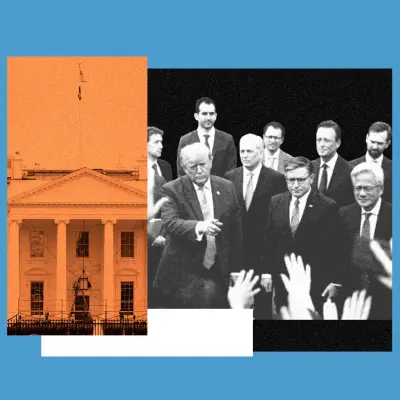
The United States has escalated its technology rivalry with China, with Treasury Secretary Scott Bessent warning that Washington could impose sanctions on Chinese open AI models over allegations of intellectual property theft. The threat marks a significant expansion of the Trump administration’s campaign to slow China’s advances in artificial intelligence.
What Bessent Said About Sanctions on Chinese AI
Speaking on the issue, Bessent indicated that the US is prepared to use sanctions as a tool to protect American intellectual property from being stolen by Chinese AI developers. He specifically referenced open AI models, which are freely available but often built on proprietary technology. The comments signal a hardening of US policy toward China’s AI sector, which has grown rapidly in recent years.
Why This Threat Matters for the Global AI Race
The potential sanctions could disrupt the development and deployment of Chinese AI models, which are increasingly used by companies and researchers worldwide. Open models from China, such as DeepSeek, have gained popularity for their cost-effectiveness and accessibility. If sanctioned, these models could face restrictions on accessing US technology, funding, or markets, slowing their adoption and giving US firms a competitive edge.
Background: The US-China Tech War Intensifies
The Trump administration has long viewed China’s AI progress as a national security threat. Previous measures include export controls on advanced chips and restrictions on US investment in Chinese tech firms. The new sanctions threat targets the software layer—AI models themselves—rather than just hardware. This reflects growing concern that Chinese open models could bypass US controls by being freely distributed.
Who Is Affected by Potential Sanctions
If implemented, the sanctions would primarily impact Chinese AI companies developing open models, as well as global developers and businesses that rely on them. US companies could face reduced competition, but also potential retaliation from China. Researchers and startups in emerging markets, which often use open models due to cost constraints, could lose access to key AI tools.
Official Response and Expert Views
Bessent’s statement is one of the strongest yet from the administration on AI IP theft. Experts note that proving IP theft in open models is legally complex, as many are built on publicly available research. However, the US could target specific companies accused of misappropriating trade secrets. Chinese officials have not yet responded to the threat, but Beijing has previously denied allegations of state-sponsored IP theft.
What the Sanctions Threat Really Means
The move is as much about signaling as it is about enforcement. By threatening sanctions, the US aims to deter Chinese AI developers from using stolen technology and to reassure American firms that their IP is protected. It also puts pressure on allies to align with US policies on China’s tech sector. However, the effectiveness of sanctions on open models is uncertain, as they can be shared and modified across borders.
Confirmed Facts vs What Remains Unclear
Confirmed: Bessent warned of potential sanctions on Chinese open AI models over IP theft. Unclear: Which specific models or companies would be targeted, when sanctions might be imposed, and what evidence of IP theft exists. The administration has not released details on the alleged theft.
Risks and Balanced View
Critics argue that sanctions could backfire by pushing China to develop its own AI ecosystem independent of US technology, accelerating its self-sufficiency. There are also concerns that the threat could harm global AI collaboration, as open models are a cornerstone of research. Supporters say strong action is needed to protect US innovation and national security.
Wider Trend: The Weaponization of AI Trade
The sanctions threat is part of a broader pattern of the US using economic tools to contain China’s tech rise. From chip bans to investment restrictions, Washington is increasingly treating AI as a strategic asset. This trend could reshape global supply chains and research networks, with countries forced to choose sides in the US-China tech divide.
Practical Guidance for Developers and Businesses
Companies and developers using Chinese open AI models should monitor US policy closely and consider diversifying their AI sources. Legal teams should review compliance with potential sanctions. Researchers may need to prepare for restricted access to certain models and explore alternatives from US or European providers.
Future Outlook
If sanctions are imposed, they could trigger a new phase in the US-China tech war, with China likely retaliating against US tech firms. The global AI landscape may fragment into separate ecosystems, one led by the US and another by China. The coming months will reveal whether the threat is a negotiating tactic or a prelude to concrete action.
Our Take
Bessent’s warning underscores how central AI has become to US-China rivalry. While protecting IP is legitimate, the threat of sanctions on open models raises difficult questions about the future of open-source AI. The US must balance security with innovation, avoiding measures that stifle global research. This story is far from over, and its outcome will shape the AI industry for years.
Frequently Asked Questions
What did Treasury Secretary Scott Bessent say about Chinese AI models?
Bessent warned that the US could impose sanctions on Chinese open AI models over alleged intellectual property theft, expanding the Trump administration’s campaign to slow China’s AI advances.
Why is the US threatening sanctions on Chinese AI?
The US alleges that Chinese AI developers have stolen American intellectual property, and sanctions are seen as a tool to protect US innovation and national security.
Which Chinese AI models could be affected?
While no specific models have been named, the threat targets open AI models from China, such as DeepSeek, which have gained global popularity.
How might sanctions impact global AI development?
Sanctions could disrupt access to Chinese AI models, fragment global research, and push China to develop its own independent AI ecosystem, potentially slowing innovation.