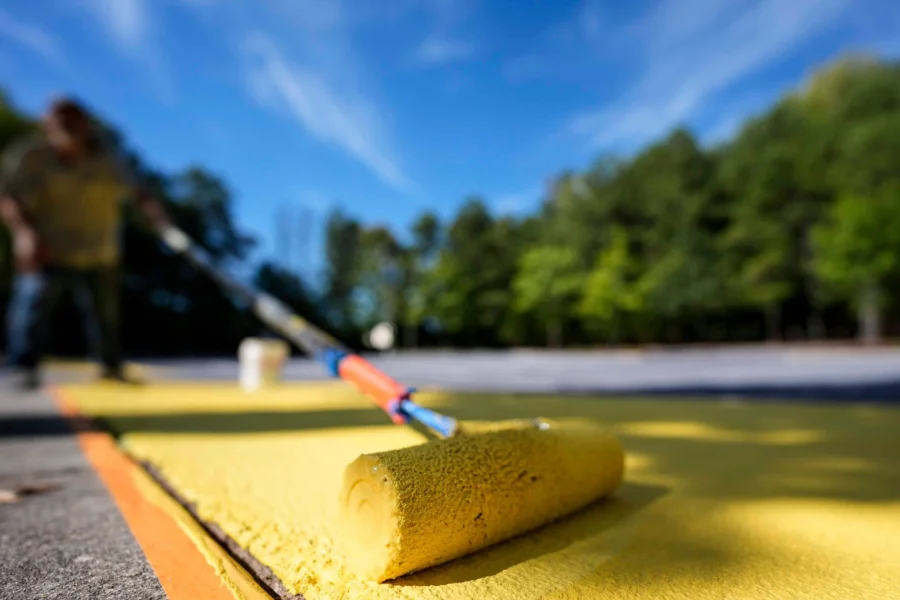
For decades, the dark, heat-absorbing asphalt parking lot has been a silent contributor to rising urban temperatures and flash flooding. But now, cities across the United States are running out of patience — and they’re starting to rip up the blacktop.
In Hampton Roads, Virginia, the Planning District Commission faced a familiar problem: a crumbling asphalt parking lot desperately in need of repair. But instead of simply repaving with more dark asphalt, they chose a radically different path — one that could reshape how America thinks about parking lots.
Why This Matters Right Now
This isn’t just about one parking lot in Virginia. It’s about a growing crisis that affects millions of people every day. Traditional asphalt absorbs up to 95% of solar radiation, turning parking lots into heat islands that can be 20–30°F hotter than surrounding areas. Combined with impermeable surfaces that block rainwater from reaching the soil, these lots are making cities hotter, flooding more frequent, and communities less livable.
As climate change intensifies heatwaves and storms, the cost of inaction is becoming impossible to ignore. Cities are now realizing that the same blacktop that has dominated urban landscapes for generations is no longer sustainable.
How the Hampton Roads Project Unfolded
The Hampton Roads Planning District Commission’s parking lot, completed last year, is a showcase of what’s possible. Instead of traditional asphalt, the lot now features porous concrete panels that allow rainwater to infiltrate directly into the ground. Native plants and recycled materials are integrated into the design, creating a space that is both functional and environmentally friendly.
“The rain infiltrates faster than it can puddle and stop on the surface,” said Jill Sunderland, the commission’s senior water resources planner. “You notice too, that it’s cooler. You really can tell a difference out there … not to mention it’s just more inviting.”
The project is part of a broader trend. Dozens of cities are now experimenting with similar alternatives, from permeable pavers to green parking lots that combine vegetation with porous surfaces.
Who Is Affected and What Officials Are Saying
The impact is felt most acutely in urban areas, where heat islands can cause heat-related illnesses and deaths, especially among vulnerable populations like the elderly and low-income communities. Flooding from impermeable surfaces damages homes, businesses, and infrastructure, costing billions annually.
“We’re seeing a shift in mindset,” said a city planner involved in similar projects in the Midwest. “People are starting to realize that parking lots don’t have to be ugly, hot, and flood-prone. They can be part of the solution.”
Environmental advocates are also pushing for change. “Every square foot of asphalt that gets replaced with a permeable, cooler surface is a win for the climate and for communities,” said a spokesperson for a national sustainability group.
What We Know So Far — and What Remains Unclear
What we know: Traditional asphalt contributes significantly to the urban heat island effect and stormwater runoff. Alternatives like porous concrete, permeable pavers, and green lots are proven to reduce temperatures and improve water absorption. Cities like Hampton Roads, Portland, and Chicago have already implemented pilot projects with positive results.
What remains unclear: The long-term durability and maintenance costs of these alternatives compared to traditional asphalt. While initial installation can be more expensive, proponents argue that lifecycle costs may be lower due to reduced flooding damage and heat-related expenses. Wider adoption will depend on cost, scalability, and public acceptance.
Risks, Concerns, and the Balanced View
Critics of the shift point to several challenges. Porous surfaces can clog over time if not properly maintained, potentially reducing their effectiveness. Cold climates may see freeze-thaw damage. And the upfront cost of alternatives can be 20–50% higher than traditional asphalt.
However, supporters argue that these concerns are manageable. “Maintenance is key, but it’s not rocket science,” said a civil engineer specializing in sustainable pavements. “Regular cleaning and inspection can keep porous systems working for decades.”
The asphalt industry itself is under pressure to innovate. Some companies are developing “cool asphalt” formulations that reflect more sunlight, but critics say these don’t address the flooding problem. The industry faces a choice: adapt or risk being replaced.
Why Similar Trends Are Growing
The shift away from traditional asphalt is part of a larger movement toward “sponge cities” and “cool communities.” Cities like Philadelphia, New York, and Los Angeles are investing in green infrastructure, including permeable pavements, rain gardens, and reflective roofs.
- Portland, Oregon, has installed over 2,000 green street facilities that use permeable surfaces to manage stormwater.
- Chicago’s “Green Alley” program replaces traditional asphalt with permeable pavers in residential alleys.
- Los Angeles is testing cool pavement coatings on city streets to reduce heat island effects.
“The rain infiltrates faster than it can puddle and stop on the surface.” — Jill Sunderland, Senior Water Resources Planner, Hampton Roads Planning District Commission
What Readers, Users, or Investors Should Know Now
For homeowners, businesses, and city planners, the message is clear: the era of the traditional asphalt parking lot may be ending. When planning new construction or renovations, consider alternatives that offer both cooling and flood prevention benefits.
For investors, the shift represents an opportunity. Companies that manufacture permeable pavers, porous concrete, and green infrastructure products are likely to see growing demand. The asphalt industry itself may need to pivot or face obsolescence.
For residents, ask your local government about plans to replace aging asphalt lots with cooler, greener alternatives. Community advocacy can accelerate change.
What Could Happen Next
If current trends continue, we could see a rapid transformation of urban landscapes. Building codes may begin to require permeable surfaces for new parking lots. Federal and state incentives could accelerate adoption. And as costs come down, alternatives could become the default choice rather than the exception.
However, the pace of change will depend on political will, funding, and public awareness. The asphalt industry will likely fight to maintain its dominance, but the environmental and economic pressures are mounting.
Our Take: Why This Story Matters Beyond One Parking Lot
This is not just a story about pavement. It’s a story about how we design our cities for a changing climate. For too long, we have accepted heat-trapping, flood-causing surfaces as inevitable. The Hampton Roads project shows that better options exist — and that they can be both practical and beautiful.
The asphalt industry has a heat problem, but more importantly, cities have a heat problem. And they are running out of patience. The question is not whether change will come, but how fast — and who will lead it.
FAQs
Why is traditional asphalt bad for the environment?
Traditional asphalt absorbs up to 95% of solar radiation, creating urban heat islands that can be 20–30°F hotter than surrounding areas. It also blocks rainwater from reaching the soil, increasing flooding and stormwater runoff.
What are the best alternatives to asphalt parking lots?
Popular alternatives include porous concrete, permeable pavers, and green parking lots that combine vegetation with permeable surfaces. These options reduce heat, absorb water, and can be more aesthetically pleasing.
Are cooler parking lot alternatives more expensive?
Initial installation costs can be 20–50% higher than traditional asphalt. However, lifecycle costs may be lower due to reduced flooding damage, lower heat-related expenses, and longer lifespan with proper maintenance.
How can I convince my city to switch to cooler pavement?
Start by researching successful projects in other cities, like Hampton Roads or Portland. Present data on heat reduction and flood prevention benefits. Attend city council meetings and advocate for pilot projects. Community demand can drive change.