
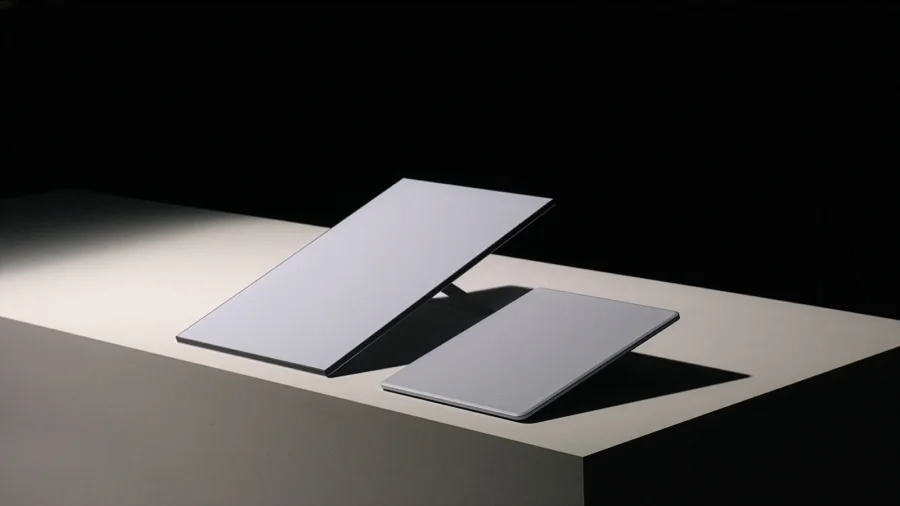
SpaceX has quietly rolled out a new version of its Starlink home internet dish — the V5 — and the biggest changes are under the hood. The dish is physically smaller and draws less power, but users hoping for a speed boost will be disappointed: data rates remain unchanged from the previous model.
What’s New in the V5 Dish
The V5 residential dish is noticeably more compact than its predecessor, making it easier to install in tight spaces or on smaller rooftops. More importantly, its power consumption has been reduced, which could translate into lower electricity costs for users in regions with high energy prices. The dish still connects to Starlink’s low-Earth orbit satellite constellation, delivering the same download and upload speeds as before.
Why Efficiency Matters for Home Users
For households in rural or remote areas — Starlink’s core customer base — every watt saved matters. Many users rely on generators or solar power, where energy efficiency directly affects monthly expenses. A smaller, less power-hungry dish also means less heat generation, potentially improving long-term reliability. The design change signals that SpaceX is prioritizing operational cost reduction over raw performance in its residential hardware.
How the V5 Compares to Earlier Models
Starlink’s first-generation dish was large, rectangular, and consumed around 75–100 watts during normal use. The V4 model slimmed down the design and cut power draw. The V5 continues this trend, further reducing both footprint and energy consumption. The antenna technology remains similar, which explains why speeds haven’t increased. SpaceX appears to be iterating on hardware efficiency rather than chasing higher bandwidth for home users.
Who Benefits Most from the V5
New Starlink subscribers will receive the V5 dish by default in markets where it is available. Existing customers on older hardware are not being offered an upgrade path, but those who purchase a new subscription will get the improved model. Users in off-grid locations, or those paying high electricity rates, stand to gain the most from the lower power draw. The smaller size also makes the dish less obtrusive, which may appeal to homeowners with aesthetic concerns.
SpaceX’s Quiet Rollout Strategy
SpaceX has not issued a press release or official announcement about the V5 dish. Details have emerged from user forums, unboxing videos, and teardowns by independent reviewers. This low-key approach is consistent with how SpaceX has handled previous hardware revisions — letting the product speak for itself rather than marketing incremental changes. The company is likely focused on scaling production and reducing costs rather than generating buzz around minor updates.
What the V5 Tells Us About Starlink’s Direction
The V5 dish reflects a broader strategy: make the hardware cheaper to produce and cheaper to run. Lower manufacturing costs could help SpaceX reduce the price of the dish over time, making Starlink more accessible in developing markets. Improved energy efficiency also aligns with global trends toward greener technology. However, the lack of speed improvements suggests that the satellite network itself — not the user terminal — remains the bottleneck for higher performance.
Confirmed Facts vs What Remains Unclear
Confirmed: The V5 dish is smaller and more energy-efficient than the V4 model. It does not offer faster speeds. It is being shipped to new customers in select regions. Unclear: Exact power consumption figures, official pricing changes, availability timeline for all markets, and whether existing customers can purchase the V5 separately. SpaceX has not confirmed any of these details publicly.
Risks and Balanced View
While the V5 is an improvement, it is not a breakthrough. Users expecting a major performance leap will be let down. The lack of a formal upgrade path for existing customers may frustrate early adopters who invested in older hardware. Additionally, Starlink’s service still faces challenges: network congestion during peak hours, weather-related outages, and regulatory hurdles in some countries. The V5 dish does not address these issues.
Wider Trend: Hardware Efficiency in Satellite Internet
SpaceX is not alone in focusing on terminal efficiency. Competitors like Amazon’s Project Kuiper and OneWeb are also developing smaller, lower-power user terminals. As satellite internet becomes more mainstream, the race is shifting from simply providing connectivity to making it affordable and practical for everyday homes. The V5 dish is a step in that direction — incremental but meaningful.
Practical Guidance for Prospective Buyers
If you are considering Starlink and live in a region where the V5 is available, you will receive the improved dish by default. There is no reason to wait for a future version unless you need higher speeds. Existing V4 users should not expect an upgrade offer, but the performance difference is negligible for most applications. Check Starlink’s website for current pricing and availability in your area.
Future Outlook
SpaceX is expected to continue refining its hardware with each generation. Future dishes may incorporate more advanced antenna designs, further reducing size and power draw while potentially increasing speeds. The company is also working on a larger, higher-performance dish for business and maritime users. For now, the V5 represents a quiet but practical improvement for residential customers.
Our Take
The V5 dish is not headline-grabbing, but it is a smart move. By focusing on efficiency and form factor, SpaceX is making Starlink more viable for the very users who need it most — those in remote, off-grid, or energy-constrained locations. The lack of a speed increase is disappointing but understandable; the satellite network is still being built out. This is a hardware iteration that prioritizes cost and reliability over hype, and that is exactly what the market needs right now.
Frequently Asked Questions
Is the Starlink V5 dish faster than the V4?
No. The V5 dish offers the same download and upload speeds as the previous model. The improvements are limited to size and energy efficiency.
Can I upgrade my existing Starlink dish to the V5?
SpaceX has not announced an upgrade program for existing customers. The V5 is currently being shipped to new subscribers only.
How much power does the V5 dish save compared to the V4?
Exact figures have not been officially released, but early user reports suggest a reduction of 10–20 watts during normal operation, depending on environmental conditions.
Will the V5 dish work with my existing Starlink subscription?
Yes, the V5 dish is fully compatible with the standard Starlink residential service plan. No changes to your subscription are needed.