

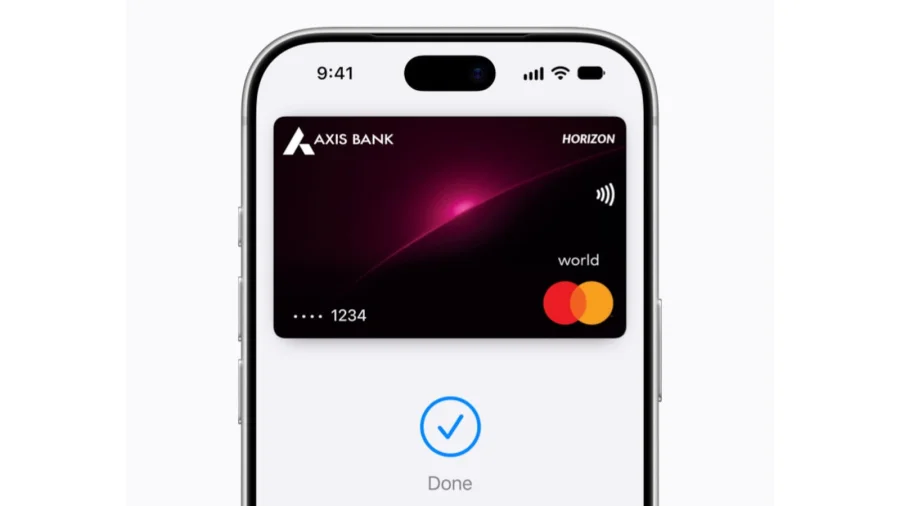
Apple Pay has finally crossed into India — but for now, it belongs to a very small club. The service is live, yet it only works with cards issued by Axis Bank. For the millions of iPhone users in the country, that means the wait isn't quite over.
The arrival is significant not because of what it does today, but because of what it signals: Apple is testing Indian waters in a payments market it has long watched from the sidelines.
What Apple Pay Actually Does — And Why India Is Different
Apple Pay lets users store card details securely on their iPhone or Apple Watch and pay by tapping the device at a compatible terminal, or by using it for online and in-app purchases. It relies on tokenisation, which replaces actual card numbers with a unique digital token — a layer of security that has made it popular in the US, UK, and parts of Europe.
India, however, is a different beast. The country's digital payments landscape is dominated by UPI, a system built for low-cost, high-volume, real-time transactions. Apple Pay's card-based model doesn't naturally slot into that ecosystem, which is likely why the company is starting small.
Why Axis Bank First — And What It Says About Apple's Strategy
Launching with a single banking partner is unusual for Apple, which typically rolls out Apple Pay with multiple issuers at once in mature markets. The Axis Bank-only phase suggests a cautious, compliance-heavy approach — one that lets Apple test infrastructure, regulatory fit, and user behaviour before committing to a full-scale rollout.
It also gives Axis Bank a temporary edge. For a bank competing in a crowded card market, being the first — and currently only — Apple Pay partner in India is a marketing position worth having.
The UPI Question Nobody Has Answered Yet
The biggest unresolved question is whether Apple Pay will eventually integrate with UPI. Without it, Apple Pay in India remains a niche tool for credit and debit card users — a group that, while growing, is far smaller than the UPI user base.
If Apple does bring UPI into Apple Pay, the service could become genuinely mainstream. If it doesn't, it may stay a premium convenience for a specific segment of iPhone owners.
Who Can Use It Right Now — And Who Can't
As things stand, the answer is simple: if you have an Axis Bank card and a compatible Apple device, you can try it. If you bank elsewhere — HDFC, ICICI, SBI, Kotak, or any other major issuer — you cannot.
That limitation is likely to frustrate early adopters, especially given how long Indian iPhone users have waited for Apple Pay to arrive at all.
Confirmed Facts vs What Remains Unclear
Confirmed: Apple Pay is available in India. It supports Axis Bank cards. The rollout is limited.
Unclear: Which specific Axis Bank card variants are supported. Whether more banks will be added soon. Whether UPI integration is planned. Whether Apple has set a timeline for expansion. Any claims beyond these points should be treated as speculation.
Why This Matters Beyond Apple
Apple's entry — even a limited one — puts pressure on the broader payments ecosystem. Google Pay, PhonePe, and Paytm have built deep UPI-first experiences in India. Apple Pay's arrival, however cautious, signals that global players still see long-term value in India's digital payments market.
It also raises a question for regulators and banks: how will international wallet models coexist with India's UPI-first framework?
Risks and a Balanced View
Apple Pay's India debut is not without challenges. The card-based model may struggle to gain traction in a market where UPI is free, instant, and universally accepted. Merchant terminal support for contactless card payments, while growing, is still uneven outside major cities.
There's also the question of whether Apple can justify the effort. If adoption stays confined to a small pool of Axis Bank customers, the economics of a full India rollout may look less attractive.
What iPhone Users Should Do Now
If you're an Axis Bank customer, it's worth checking whether your card is eligible and whether your device supports Apple Pay. If you're not, there's little to do but wait — and watch for announcements about additional bank partnerships.
Do not assume your existing card will work simply because Apple Pay has "launched in India." The rollout is narrow, and that's the most important thing to understand right now.
Future Outlook
The logical next step would be expansion to more banks, followed — possibly — by UPI integration. But Apple has not confirmed either. Until then, Apple Pay in India remains a limited experiment rather than a full-fledged launch.
Our Take
Apple Pay's India arrival is less a grand entrance and more a quiet first step. The company is clearly testing the ground before committing fully. For Indian users, the real story isn't that Apple Pay is here — it's that it's here for very few of them. The next few months will reveal whether this is the beginning of something bigger or a cautious toe in the water.
Frequently Asked Questions
Is Apple Pay available in India now?
Yes, Apple Pay has launched in India, but currently only supports cards issued by Axis Bank.
Can I use Apple Pay with my HDFC, ICICI, or SBI card?
No. As of now, only Axis Bank cards are supported. Support for other banks has not been confirmed.
Does Apple Pay work with UPI in India?
There is no confirmed UPI integration at this time. Apple Pay currently works with supported cards only.
Which devices support Apple Pay in India?
Apple Pay works on compatible iPhone and Apple Watch models, subject to device and card eligibility.
Will Apple Pay expand to more banks soon?
Apple has not announced a timeline. Expansion is expected but unconfirmed.