The ChatGPT you know — a simple chat window where you type questions and get answers — is about to become a thing of the past. OpenAI is reportedly planning the most radical overhaul of its flagship product since it launched the AI boom in late 2022, and the implications for how millions of people use artificial intelligence could be enormous.
What the ChatGPT Superapp Overhaul Actually Means
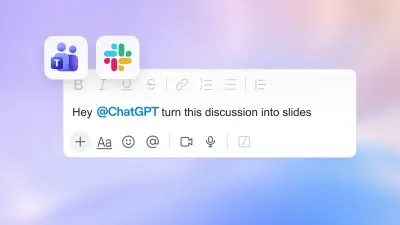
According to a report from the Financial Times, OpenAI is transforming ChatGPT into what it calls a "superapp" — a single platform that combines conversational AI with autonomous AI agents, coding tools, and advanced reasoning capabilities. Think less of a chatbot and more of a digital assistant that can book your flights, write your code, manage your calendar, and handle complex research tasks without you having to guide every step.
The move is a direct response to slowing growth in the basic chatbot market. OpenAI, now valued at roughly $850 billion, needs to show investors it can generate sustainable revenue beyond the initial ChatGPT subscription boom. The superapp model, popularized by platforms like China's WeChat, offers a path to deeper user engagement and multiple revenue streams.
Why OpenAI Is Pivoting From Chat to Autonomous Agents
The shift reflects a broader industry realization: the future of AI isn't just about answering questions — it's about taking action. AI agents, which can independently execute multi-step tasks, represent the next frontier. Instead of asking ChatGPT to "write a draft email," users could soon say "schedule a meeting with the team for next Tuesday and prepare an agenda based on last week's notes."
For Indian users, this could mean ChatGPT handling everything from booking train tickets on IRCTC to drafting GST filings. The superapp vision aims to embed AI so deeply into daily workflows that users rarely need to leave the platform.
The Timeline: When Will the New ChatGPT Arrive?
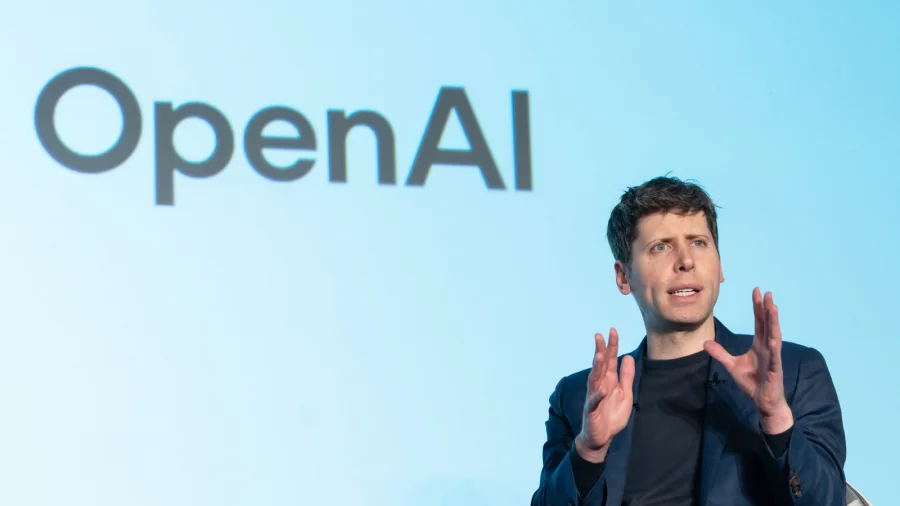
The overhaul is expected to roll out in the coming weeks, according to sources familiar with the plans. The Financial Times report indicates that OpenAI CEO Sam Altman has issued what insiders describe as a "Code Red" to employees, ordering teams to urgently prioritize the ChatGPT revamp and delay other product development.
This aggressive timeline suggests OpenAI is racing to beat competitors like Google's Gemini and Anthropic's Claude, which are also developing agentic capabilities. The company's urgency is amplified by its looming IPO, which could be one of the largest tech listings in history.
Who Will Be Affected by the ChatGPT Superapp Shift
For the 400 million weekly active ChatGPT users, the changes will be immediately noticeable. The interface is expected to evolve from a single chat window to a multi-functional dashboard with specialized tools for coding, data analysis, image generation, and task automation.
Developers and businesses stand to benefit most. The integration of coding tools could make ChatGPT a one-stop platform for software development, from writing code to debugging and deployment. Freelancers, small business owners, and students in India — where ChatGPT has seen massive adoption — could find the superapp particularly valuable for managing multiple work streams.
However, the shift also raises concerns about job displacement. If ChatGPT can autonomously handle tasks that currently require human assistants, customer support agents, or junior developers, the economic ripple effects could be significant.
Sam Altman's "Code Red" and Internal Urgency
The Financial Times report paints a picture of intense internal pressure at OpenAI. Altman's "Code Red" directive signals that the company views this overhaul as existential. Other product initiatives have been deprioritized, and teams are reportedly working around the clock to deliver the superapp on schedule.
This internal urgency reflects OpenAI's precarious position. Despite being the company that sparked the AI revolution, it faces mounting competition, regulatory scrutiny, and the challenge of monetizing its technology at scale. The superapp pivot is as much about survival as it is about innovation.
Why "Chat Is Dead" — The Deeper Meaning Behind the Pivot
Livemint's coverage of the story carried a provocative headline: "Chat is dead." This captures the essence of OpenAI's strategic shift. The company is essentially acknowledging that the chat interface — while revolutionary in 2022 — is now a commodity. Every major tech company offers a chatbot. The next competitive advantage lies in what AI can do, not just what it can say.
The superapp model also addresses a key weakness of standalone chatbots: user retention. Chat interactions are typically short and task-specific. A superapp that handles multiple daily tasks — from email management to travel booking to coding — keeps users within the ecosystem for longer periods, generating more data and more revenue opportunities.
Confirmed Facts vs What Remains Unclear
Confirmed (from FT and Reuters reports): OpenAI is planning a major ChatGPT overhaul. The company aims to integrate AI agents and coding tools. The overhaul is expected in the coming weeks. Altman has issued a "Code Red" to prioritize the project. The move is linked to OpenAI's IPO preparations.
Unclear or speculative: The exact features of the superapp have not been detailed. Pricing changes remain unknown. Whether the overhaul will be rolled out to free users or only paid subscribers is not confirmed. The impact on existing ChatGPT plugins and third-party integrations is unclear. The timeline for the IPO itself remains uncertain.
OpenAI's Moat: Why This Company Matters Beyond ChatGPT
OpenAI's competitive advantage rests on several pillars. First, its proprietary GPT models remain among the most capable in the world, with GPT-5 expected to push boundaries further. Second, the company has built a massive user base — over 400 million weekly active users — creating a powerful network effect. Third, its partnerships with Microsoft provide cloud infrastructure, distribution through Azure, and enterprise credibility. Fourth, OpenAI has the deepest AI research bench globally, attracting top talent from academia and industry. Finally, the brand recognition of ChatGPT is unparalleled; it has become synonymous with AI for millions of users worldwide.
Risks and Balanced View: The Superapp Gamble
The superapp strategy is not without risks. WeChat's success in China is partly due to a unique regulatory and cultural environment that may not replicate in Western or Indian markets. Privacy concerns are significant — a superapp that handles emails, travel bookings, and financial tasks would have access to deeply personal data, raising questions about security and surveillance.
Critics also point out that OpenAI has struggled with reliability and accuracy. AI agents that autonomously book flights or manage finances could cause real-world harm if they make mistakes. The company's history of "hallucinations" — where AI generates false information — is a serious liability for a superapp that needs to be trusted with critical tasks.
Furthermore, the "Code Red" urgency suggests internal chaos rather than strategic confidence. Rushing a major product overhaul could lead to bugs, security vulnerabilities, or a subpar user experience.
The Broader Industry Shift: Everyone Is Building Superapps
OpenAI is not alone in this pivot. Google is integrating Gemini across its ecosystem — Gmail, Docs, Maps, Calendar — effectively building its own superapp. Anthropic's Claude is developing agentic capabilities. Even Meta is embedding AI assistants into WhatsApp, Instagram, and Facebook.
The superapp trend represents a consolidation of the AI market. Instead of dozens of specialized AI tools, users may soon interact with a few dominant platforms that handle everything. This raises antitrust concerns and questions about data monopolies, but for now, the race is on.
What Indian Users Should Do Now
For Indian users and businesses, the ChatGPT overhaul presents both opportunities and considerations. Freelancers and small business owners should watch for new coding and automation tools that could streamline operations. Students may benefit from enhanced research and writing capabilities. However, users should be cautious about granting a superapp access to sensitive data — review privacy settings carefully when the update rolls out.
Businesses that rely on ChatGPT for customer support or content generation should prepare for interface changes and potentially new pricing tiers. The shift to AI agents may require retraining staff on how to delegate tasks to the AI effectively.
Future Outlook: What Happens Next
If the superapp overhaul succeeds, ChatGPT could become the default interface for a vast range of digital tasks, from personal productivity to enterprise operations. OpenAI's IPO, potentially the largest in tech history, would be supercharged by a compelling growth story.
If it fails — due to technical issues, privacy scandals, or user resistance — the company could face a crisis of confidence just as it needs to prove its long-term viability to public market investors. The coming weeks will be critical in determining which path OpenAI takes.
Our Take
The ChatGPT superapp pivot is more than a product update — it's a strategic admission that the AI industry's first act is over. The chat interface was the opening scene; the real story is about AI that acts, not just responds. OpenAI's gamble is that users will trade simplicity for capability, and privacy for convenience. Whether that trade-off is worth it will depend on how well the company executes — and how much trust it can maintain with a user base that is increasingly aware of AI's risks. For now, the message is clear: the era of passive chatbots is ending. The era of active AI agents is beginning.
Frequently Asked Questions
What is the ChatGPT superapp overhaul?
OpenAI is planning to transform ChatGPT from a simple chatbot into a multi-functional platform that integrates AI agents, coding tools, and advanced task automation. The overhaul aims to make ChatGPT capable of autonomously performing complex tasks like booking travel, managing emails, and writing code, rather than just answering questions.
When will the new ChatGPT be released?
According to the Financial Times report, the overhaul is expected to roll out in the coming weeks. OpenAI CEO Sam Altman has reportedly issued a "Code Red" to prioritize the project, suggesting an aggressive timeline.
How will the ChatGPT superapp affect users in India?
Indian users could benefit from enhanced capabilities like automated travel bookings, GST filing assistance, and multi-language support. However, users should be cautious about data privacy as the superapp will have access to more personal information. Freelancers and small businesses may find the new coding and automation tools particularly useful.
Will the ChatGPT overhaul affect pricing?
Pricing details have not been confirmed. It remains unclear whether the superapp features will be available to free users, ChatGPT Plus subscribers, or require a new premium tier. Users should expect potential pricing changes when the overhaul is officially announced.