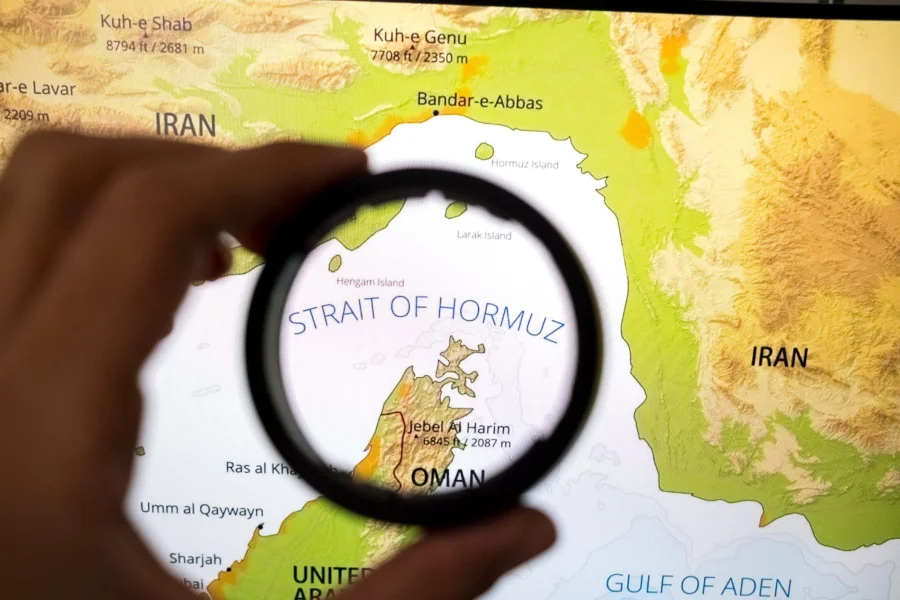
The Strait of Hormuz, a narrow passage that once carried a fifth of the world's oil and liquefied natural gas, has become a ghost waterway. Since the outbreak of the U.S.-Iran war on 28 February, maritime traffic has plummeted. According to Kpler, a maritime intelligence firm, only a handful of ships now brave the strait each day. The economic stakes are staggering—and so is the emerging solution: tolls.
The Strait of Hormuz: From global artery to war zone
Before the conflict, roughly 20% of global oil and LNG shipments moved through the 33-kilometer-wide chokepoint. Today, nightly U.S. airstrikes—launched since 11 July—target Iranian military positions, while Iran retaliates with missile and drone attacks on U.S. forces, Gulf states, and shipping. The result is a near-total blockade, not by design but by fear. Insurers have tripled premiums; crews refuse to sail; and tankers sit idle in the Arabian Sea.
Why tolls are gaining traction
Diplomatic efforts have stalled. Kpler noted last week that "military developments are now shaping operational decisions more than regional mediation." In this vacuum, a pragmatic idea is coalescing: a toll-based system. The logic is simple—money talks. Instead of risking war over passage, global powers could impose a fee on every barrel of oil and cubic meter of LNG that transits the strait. The revenue would fund security, compensate affected states, and provide Iran with an economic off-ramp.
How a toll system would work
Under the proposed model, a multilateral body—likely led by the United Nations or a consortium of Gulf states—would set a per-barrel toll. The fee would be collected at ports of origin and destination, with proceeds split among security providers, regional compensation funds, and Iran as a goodwill gesture. The goal is to make passage predictable, insured, and safe—replacing military brinkmanship with financial certainty.
Who stands to gain and lose
For oil-importing nations like India, Japan, and South Korea, tolls offer a lifeline. Energy prices have spiked since the blockade, and a functioning strait—even at a cost—is better than no strait. For Gulf states like Saudi Arabia and the UAE, tolls provide revenue and reduce the risk of being caught in crossfire. Iran, under crippling sanctions, could see toll revenue as a face-saving way to de-escalate without losing leverage. The losers are likely to be smaller shipping firms and poorer nations that cannot absorb the added cost.
Official responses and expert views
No government has formally endorsed the toll plan, but analysts say it is being discussed in backchannel talks. "The alternative is a prolonged war that destroys the global economy," said a maritime security expert who spoke on condition of anonymity. "Tolls are ugly, but they're less ugly than missiles." The U.S. has not commented publicly; Iran's foreign ministry has dismissed the idea as "economic colonialism," though sources suggest internal debates are ongoing.
Confirmed facts vs what remains unclear
What is confirmed: Kpler data shows Strait of Hormuz traffic has collapsed to a handful of ships daily. The U.S. has conducted nightly airstrikes since 11 July; Iran has responded with attacks on shipping. What remains unclear: whether any formal toll proposal exists, which nations support it, and how enforcement would work. All speculation about tolls is based on analyst reports and unnamed sources—no official document has been released.
Risks and balanced view
Critics argue that tolls could legitimize Iran's aggression, reward hostage-taking of global energy, and set a dangerous precedent for other chokepoints like the Malacca Strait. There is also the risk of revenue mismanagement, corruption, and unequal burden on developing nations. Supporters counter that the status quo—war and blockade—is far worse. The toll debate reflects a grim reality: there are no good options, only less catastrophic ones.
Wider trend: The weaponization of chokepoints
The Strait of Hormuz crisis is part of a broader pattern. From the Suez Canal to the South China Sea, strategic waterways are increasingly used as leverage in geopolitical conflicts. The toll solution, if adopted, could set a precedent for how the world manages these chokepoints in an era of great-power rivalry. It may also accelerate the search for alternative energy routes and renewable sources.
Practical guidance for readers
For consumers: expect continued volatility in fuel prices until a solution is reached. For investors: monitor oil and LNG futures, as any toll announcement could trigger market shifts. For policymakers in energy-importing nations: diversify supply routes and consider strategic reserves. For the general public: stay informed but avoid panic—toll discussions suggest that diplomatic off-ramps are being explored.
Future outlook
The next few weeks are critical. If backchannel toll talks gain momentum, a framework could emerge by late 2025. If not, the war may escalate further, with the strait becoming a permanent battlefield. The world is watching whether money—the oldest lubricant of diplomacy—can succeed where missiles have failed.
Our Take
The toll solution is not elegant, but it reflects a hard truth: in the Strait of Hormuz, war has failed to secure passage, and diplomacy has failed to stop war. Money, for all its flaws, offers a common language. Whether the toll plan succeeds or not, its emergence signals a shift from ideological confrontation to pragmatic survival. That, in itself, is a story worth watching.
Frequently Asked Questions
What is the Strait of Hormuz toll proposal?
The toll proposal is a potential solution to the U.S.-Iran war that would impose a fee on oil and LNG shipments passing through the Strait of Hormuz. The revenue would fund security, compensate affected states, and provide Iran an economic off-ramp, replacing military conflict with financial incentives.
Why has Strait of Hormuz shipping collapsed?
Since the U.S.-Iran war began on 28 February, nightly airstrikes and missile attacks have made the strait too dangerous for commercial shipping. Maritime intelligence firm Kpler reports only a handful of ships now transit daily, down from 20% of global oil and LNG traffic before the conflict.
How would tolls affect global oil prices?
Tolls would likely increase the cost of oil and LNG by adding a per-barrel fee, but they would restore predictable passage. Without tolls, the ongoing blockade continues to spike prices due to supply uncertainty. The net effect depends on the toll rate and how quickly shipping resumes.
Is the toll plan officially supported by any government?
No government has formally endorsed the toll plan. It is being discussed in backchannel talks among analysts and unnamed sources. The U.S. has not commented, and Iran has dismissed it publicly, though internal debates may be ongoing.