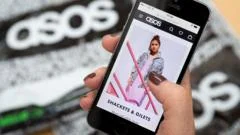
The hackers didn't just take what Asos first admitted. They took more — and they made sure the BBC knew it.
In an unusual twist to a familiar story, the cyber criminals behind the Asos breach reached out to the BBC directly, claiming the retailer's initial disclosure of "basic contact details" was far from the full picture. After the BBC approached Asos with those claims, the company issued an update — confirming the breach went deeper than it had originally told customers.
What Asos First Said — And What It Now Admits
When the breach first came to light, Asos framed it narrowly: basic contact details had been accessed. That phrasing suggested names, email addresses, maybe phone numbers — the kind of data that's annoying to lose but rarely catastrophic.
The revised account tells a different story. More personal details were taken than the retailer initially disclosed. Asos has not yet published a full breakdown of exactly what categories of data were exposed, but the shift from its original statement is significant.
Why a Widening Breach Disclosure Matters to Every Asos Customer
For the millions of people who shop on Asos — particularly in the UK, where the brand is a household name — the update changes the risk calculation. If only email addresses were taken, the main threat is phishing. If more personal data is involved, the potential for identity fraud, targeted scams, and account takeover grows.
The delay between the initial statement and the correction also raises uncomfortable questions. Customers made decisions — whether to change passwords, whether to trust the company's account — based on information that now appears incomplete.
How the Story Unfolded
Asos disclosed the breach and characterised it as limited. The BBC then received direct contact from the hackers, who disputed that characterisation and claimed the stolen data went further. The BBC brought those claims to Asos. Only then did the retailer update its position.
That sequence — hackers contacting a news organisation, a journalist pressing the company, and the company revising its account — is becoming a pattern in modern cyber incidents. It suggests that in this case, the public learned the fuller truth not through the company's own transparency, but through external pressure.
Who Is Affected — And What They Need to Know
Asos has not confirmed the exact number of customers affected or the specific data fields involved. Until it does, anyone with an Asos account should assume their information may be part of the breach.
The practical exposure depends on what was taken. Contact details alone enable convincing phishing emails. More sensitive data — dates of birth, partial payment information, order histories — can be combined with other leaked datasets to build a fuller profile of a person.
Asos's Response So Far
Asos has acknowledged the breach went beyond its initial description and issued an updated statement after the BBC's intervention. The company has not, at the time of writing, provided a comprehensive public accounting of what was stolen or how many customers are impacted.
That silence — or at least, that limited disclosure — is likely to draw scrutiny from the UK's Information Commissioner's Office, which has the power to investigate and fine companies for inadequate data protection or delayed breach notification.
What's Confirmed — And What Isn't
Confirmed: A breach occurred. Hackers accessed customer data. Asos initially described it as basic contact details. After the BBC was contacted by the hackers and approached Asos, the company updated its account to acknowledge more was taken.
Not confirmed: The exact categories of data stolen. The number of affected customers. Whether payment card details were involved. Whether the hackers have published or sold the data. Whether Asos will face regulatory action.
Any claim beyond the above should be treated as unverified until Asos or regulators confirm it.
The Pattern Behind the Headline
This is not an isolated incident. Retailers hold vast troves of customer data, and they are frequent targets. What's notable here is not just the breach itself, but the disclosure gap — the distance between what a company says initially and what turns out to be true.
That gap is where reputational damage lives. Customers can forgive a breach. They are slower to forgive being told less than the truth, especially when the correction comes only after journalists start asking questions.
What Asos Customers Should Do Now
Change your Asos password if you haven't already — and if you use the same password elsewhere, change it there too. Enable two-factor authentication where available. Be sceptical of emails claiming to be from Asos, especially those asking you to click links or confirm payment details.
Watch for unusual activity on any payment method linked to your Asos account. And monitor your email for phishing attempts that reference personal information — the more data the hackers have, the more convincing their scams can be.
What Happens Next
Asos is under pressure to provide a fuller account. The Information Commissioner's Office may open an investigation. Affected customers may seek clarity on whether their specific data was involved. And the hackers, having already demonstrated a willingness to talk to journalists, may release more information — or more data — in the coming days.
The story is unlikely to close quietly.
Our Take
The most damaging part of this story may not be the breach itself — it's the gap between what Asos first told customers and what the BBC's investigation forced into the open. Cyber attacks happen. Companies get breached. But when a retailer tells customers their "basic contact details" were taken and that turns out to be incomplete, the damage shifts from the technical to the reputational.
Customers deserve a clear, complete, and prompt accounting of what was stolen. They haven't got it yet. Until they do, trust in Asos's handling of their data will remain fragile — and rightly so.
Frequently Asked Questions
What did the Asos hackers actually take?
Asos initially said only basic contact details were accessed. After the BBC was contacted by the hackers and approached the company, Asos updated its account to confirm more personal details were taken than first disclosed. The full list of stolen data has not been publicly confirmed.
How many Asos customers are affected?
Asos has not confirmed the number of affected customers. Until it does, anyone with an Asos account should assume their data may be involved and take precautionary steps.
Was my payment information stolen in the Asos breach?
Asos has not confirmed whether payment card details were involved. The company's updated statement acknowledged more personal data was taken than first revealed, but did not specify whether financial information was among it.
What should I do if I have an Asos account?
Change your Asos password immediately, especially if you reuse it elsewhere. Enable two-factor authentication if available. Be cautious of phishing emails referencing Asos or your personal details. Monitor your payment methods for unusual activity.
Why did Asos change its story?
The BBC was contacted directly by the hackers, who claimed the breach went beyond basic contact details. When the BBC brought those claims to Asos, the company issued an updated statement acknowledging more data was taken. The revision followed external pressure, not a voluntary earlier disclosure.