Imagine scrolling through Instagram, finding an account with a visual style you love, and instantly generating new images that capture that same aesthetic — without typing a single descriptive word. That's exactly what Meta's new Muse image model promises.
How Muse Changes AI Image Generation
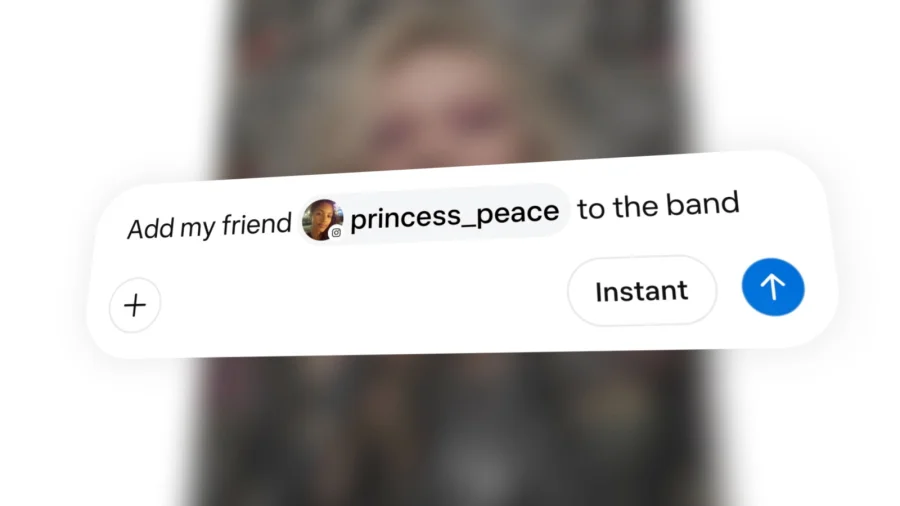
Meta has unveiled Muse, a new family of AI image models that fundamentally shifts how users interact with generative AI. Instead of crafting detailed text prompts, users can now input an Instagram account as a prompt — and the model generates images inspired by that account's visual identity.
This is a significant departure from traditional text-to-image models like DALL-E or Midjourney, which rely entirely on written descriptions. Muse understands visual aesthetics, color palettes, composition styles, and thematic elements from Instagram profiles and recreates them in new images.
Why Instagram Accounts as Prompts Matter
For creators, this means the barrier to generating on-brand visuals has dropped dramatically. A fashion blogger can input their own Instagram account and generate fresh content that maintains visual consistency. A brand can reference its official account to create marketing materials that align with existing aesthetics.
For everyday users, it removes the frustration of trying to describe a visual style in words. "Make it look like that account I follow" becomes a direct, intuitive command.
Where Muse Is Already Live
Meta hasn't kept Muse in the lab. The model is already powering AI effects in Instagram Stories, allowing users to apply account-inspired transformations to their photos and videos. Additionally, image generation in WhatsApp is now running on Muse technology, bringing personalized AI creation to Meta's messaging platform.
This rollout strategy mirrors Meta's broader approach: integrate AI directly into existing products rather than launching standalone tools. Users don't need to visit a separate website — the AI is embedded where they already create and share content.
Who Benefits From Account-Aware AI
Content creators stand to gain the most. Maintaining a consistent visual identity across posts is time-consuming. Muse allows creators to generate new images that automatically match their established aesthetic, saving hours of editing and curation work.
Small businesses using Instagram for marketing can now produce on-brand visuals without hiring designers. The model essentially learns a brand's visual language from its Instagram presence and applies it to new creations.
Casual users benefit too — generating personalized stickers, story backgrounds, or profile pictures becomes as simple as referencing an account they admire.
Meta's Official Position on Muse
Meta has positioned Muse as a strategic move in the AI race. The company stated that Muse represents a new approach to image generation — one that leverages Meta's unique advantage: billions of public Instagram and Facebook photos that trained the model.
"Muse understands visual styles in a way that text-only models cannot," Meta explained in its announcement. The company emphasized that the model respects privacy settings and only learns from publicly available content.
What Makes Muse Different From Other AI Models
Most AI image generators require detailed text prompts. Muse introduces a new modality: visual reference through social accounts. This is possible because Meta trained Muse on its massive dataset of public Instagram and Facebook images, giving the model an understanding of visual aesthetics that goes beyond text descriptions.
The model can recognize patterns in how accounts curate their feeds — color schemes, subject matter, editing styles, and composition preferences — and generate new images that fit within those patterns.
Confirmed Facts vs What Remains Unclear
Confirmed: Muse accepts Instagram accounts as prompts. The model powers AI effects in Stories and WhatsApp image generation. Muse Spark is the first publicly available version. Users need a Meta account (Facebook or Instagram) to access it.
Unclear: The exact boundaries of what Muse can learn from an account. Whether the model works with private accounts (likely not). How Meta handles copyright concerns when generating images inspired by specific creators' styles. The full list of platforms where Muse will eventually be available.
Meta's Competitive Advantage With Muse
Meta's moat here is data. No other AI company has access to the volume of public social media images that Meta does — billions of Instagram and Facebook photos with rich metadata about engagement, aesthetics, and user preferences. This training data gives Muse an understanding of visual culture that competitors can't easily replicate.
Additionally, Meta's distribution network — Instagram, Facebook, WhatsApp, Messenger — means Muse reaches billions of users without requiring them to download a new app. The AI is simply a feature within apps they already use daily.
Risks and Concerns Around Account-Based AI
Privacy advocates have raised concerns about how Meta trains its AI models. While the company says it uses only public content, the line between public and private can blur when users didn't explicitly consent to their aesthetic being used as training data.
Creators may worry about their unique visual style being replicated by others through AI. If anyone can generate images "in the style of" a popular account, what happens to the value of original creative work?
There are also questions about misuse — bad actors could generate images mimicking trusted accounts to spread misinformation or impersonate brands.
The Broader Shift Toward Visual AI
Muse represents a larger trend: AI moving from text-centric interfaces to visual ones. As models become better at understanding images, the way we interact with AI is changing. Instead of typing what we want, we can show it — through accounts, photos, or visual references.
This shift mirrors how humans naturally communicate. We often say "like this" while pointing at something. Muse brings that intuitive interaction to AI.
What Users Should Know Right Now
If you want to try Muse, log into your Meta account and look for AI effects in Instagram Stories or the image generation feature in WhatsApp. You'll need a public Instagram account to use as a reference prompt.
For creators concerned about their work being used: review your Instagram privacy settings. Only public accounts are accessible to the model. Setting your account to private prevents your content from being used as a Muse prompt.
What Comes Next for Muse
Meta is likely to expand Muse's capabilities beyond Instagram accounts. Future versions could accept any image as a prompt, not just social media profiles. Integration with Facebook and Messenger is expected to follow.
The company may also introduce creator controls — allowing accounts to opt out of being used as AI prompts, similar to how artists can opt out of training datasets for other AI models.
Our Take
Muse is more than just another AI image generator. By making Instagram accounts the input, Meta has created a uniquely social AI experience — one that understands visual culture the way humans do. The move leverages Meta's data advantage in a way that feels native to its platforms rather than forced.
But the privacy and copyright questions are real. As AI becomes better at replicating visual styles, the line between inspiration and imitation will need clearer boundaries. Meta's handling of these concerns will determine whether Muse becomes a beloved creative tool or a source of controversy.
For now, Muse signals where AI is heading: less about typing commands and more about showing intent through the visual language we already use every day.
Frequently Asked Questions
How does Meta's Muse model use Instagram accounts as prompts?
Instead of typing a text description, you input an Instagram account URL or username. Muse analyzes the account's visual style — colors, composition, themes — and generates new images that match that aesthetic.
Is Muse available on WhatsApp and Instagram Stories?
Yes. Muse is already powering AI effects in Instagram Stories and image generation in WhatsApp. You can access these features directly within the apps if you have a Meta account.
Can anyone use my Instagram account as a Muse prompt?
Only if your account is public. Private accounts are not accessible to the model. Meta says it uses only publicly available content for training and prompts.
Do I need a separate app to use Muse?
No. Muse is integrated into Meta's existing apps — Instagram, WhatsApp, and eventually Facebook and Messenger. You access it through features you already use.