
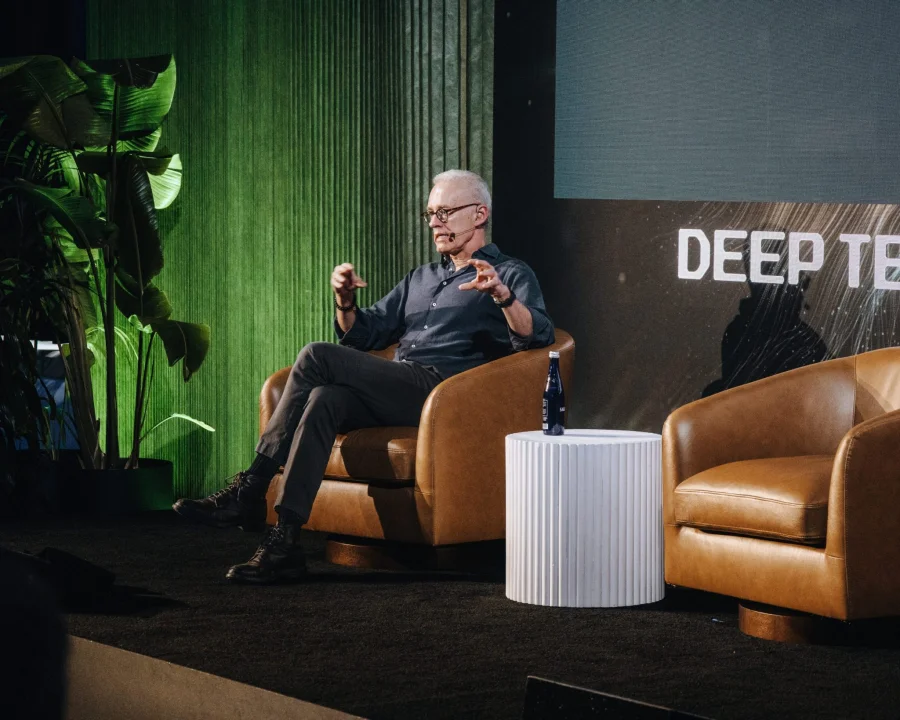
Kevin Ryan has seen enough cycles to know that the biggest returns come from bets that feel uncomfortable at first. The serial entrepreneur and investor, often called the “Godfather of NYC Tech,” just raised a new $335 million fund for his venture firm AlleyCorp — and he’s doubling down on early-stage startups that most people don’t see coming yet.
Why Ryan is betting on the non-obvious
Ryan’s investment philosophy is contrarian by design. “What I think about is where the world’s going five to ten years from now, and then we need to make a bet when it’s not obvious,” he said. “If it’s obvious, it’s worth $20 billion and it’s too late.” The new fund is built around that logic — targeting sectors that are still early, uncertain, and often dismissed by mainstream investors.
How psychedelics became a billion-dollar bet
Ryan’s own journey into psychedelics illustrates his approach. He was initially skeptical that psychedelics could treat depression or PTSD. But after reading Michael Pollan’s *How to Change Your Mind* in 2018 and reviewing emerging clinical data, he changed his mind. He became a key backer of the Yale Center for Psychedelic Research and cofounded Transcend Therapeutics, a psychoactive drug maker that sold in June for $1.2 billion. That exit validated his early conviction.
What the $335 million fund means for NYC’s startup ecosystem
AlleyCorp has been a cornerstone of New York’s tech scene for years, backing companies like MongoDB, Zola, and Gilt Groupe. The new fund signals that Ryan sees opportunity even in a cautious venture market. For early-stage founders, it means more capital available for ideas that are still unproven — but potentially transformative.
Who benefits from early-stage contrarian bets
Founders working on frontier technologies — from mental health treatments to AI infrastructure — could find a receptive partner in AlleyCorp. Ryan’s willingness to back ideas before they become obvious gives startups runway to develop without the pressure of immediate market validation. For investors, the fund offers exposure to high-risk, high-reward opportunities that larger funds often avoid.
Ryan’s track record and credibility
Ryan has cofounded dozens of companies and built AlleyCorp into one of New York’s most influential venture firms. His ability to spot trends early — from e-commerce to enterprise software — has earned him a reputation as a patient, long-term thinker. The $1.2 billion sale of Transcend Therapeutics is a recent proof point that his contrarian bets can pay off.
Why early-stage investing is different now
The venture landscape has shifted. Late-stage valuations have cooled, and many funds are pulling back. But Ryan argues that early-stage is where the real value is created. “We’re making bets early,” he said. The new fund allows AlleyCorp to write smaller checks and take more risk — exactly when many others are retreating.
Confirmed facts vs what remains unclear
Confirmed: AlleyCorp has raised a $335 million fund. Ryan’s investment philosophy is centered on early-stage, non-obvious bets. He backed Transcend Therapeutics, which sold for $1.2 billion. Unclear: The specific sectors or startups the new fund will target. The fund’s exact timeline for deployment. Whether the fund includes limited partners from institutional investors or family offices.
AlleyCorp’s moat: network, experience, and patience
AlleyCorp’s advantage isn’t just capital — it’s Ryan’s network and operating experience. He has built companies from scratch and knows what founders need beyond funding: talent, introductions, and strategic guidance. The firm’s long-term horizon allows it to hold positions through market cycles, a luxury many early-stage funds don’t have.
Risks and balanced view
Early-stage investing is inherently risky. Many startups fail, and contrarian bets can take years to pay off — if they ever do. Critics might argue that Ryan’s approach is too speculative, especially in sectors like psychedelics where regulatory and scientific hurdles remain. The $335 million fund also faces competition from other deep-pocketed early-stage firms. There’s no guarantee that Ryan’s next big bet will match the success of Transcend Therapeutics.
The bigger trend: contrarian venture capital is back
Ryan’s fund is part of a broader shift. After years of growth-at-all-costs investing, many VCs are returning to fundamentals: smaller funds, earlier stages, and longer time horizons. Firms like AlleyCorp that have always operated this way may be better positioned than those that chased late-stage unicorns. The trend suggests that patient capital is gaining favor again.
What founders and investors should do now
For founders: If you’re building something that feels ahead of its time, AlleyCorp may be a natural fit. Focus on demonstrating deep domain expertise and a clear vision for where the world is headed. For investors: Watch which sectors Ryan backs next — his picks often signal where the market will move in five years. For limited partners: The fund offers exposure to early-stage innovation with a proven manager.
What’s next for AlleyCorp
Ryan and his team will begin deploying the $335 million over the next few years. Expect investments in healthcare, AI, climate tech, and other areas where the future is still being written. If history is any guide, some of those bets will look strange today — and obvious a decade from now.
Our Take
Kevin Ryan’s new fund is a reminder that the best venture capital isn’t about following trends — it’s about seeing them before they form. His willingness to change his mind, as he did with psychedelics, is a rare trait in an industry often driven by ego. The $335 million fund gives him the firepower to back his convictions. Whether those bets pay off will depend on how well he reads the next decade — but his track record suggests he’s worth watching.
Frequently Asked Questions
What is AlleyCorp’s new fund size?
AlleyCorp has raised a new $335 million fund focused on early-stage startup investments.
Who is Kevin Ryan?
Kevin Ryan is a serial entrepreneur and venture capitalist often called the “Godfather of NYC Tech.” He cofounded AlleyCorp and has backed companies like MongoDB, Zola, and Gilt Groupe.
What is Kevin Ryan’s investment strategy?
Ryan focuses on early-stage bets that are “not obvious” today, believing that obvious opportunities are already too expensive. He looks for sectors that will be important five to ten years from now.
Did Kevin Ryan invest in psychedelics?
Yes. After initially being skeptical, Ryan became a key backer of the Yale Center for Psychedelic Research and cofounded Transcend Therapeutics, which sold for $1.2 billion in June.