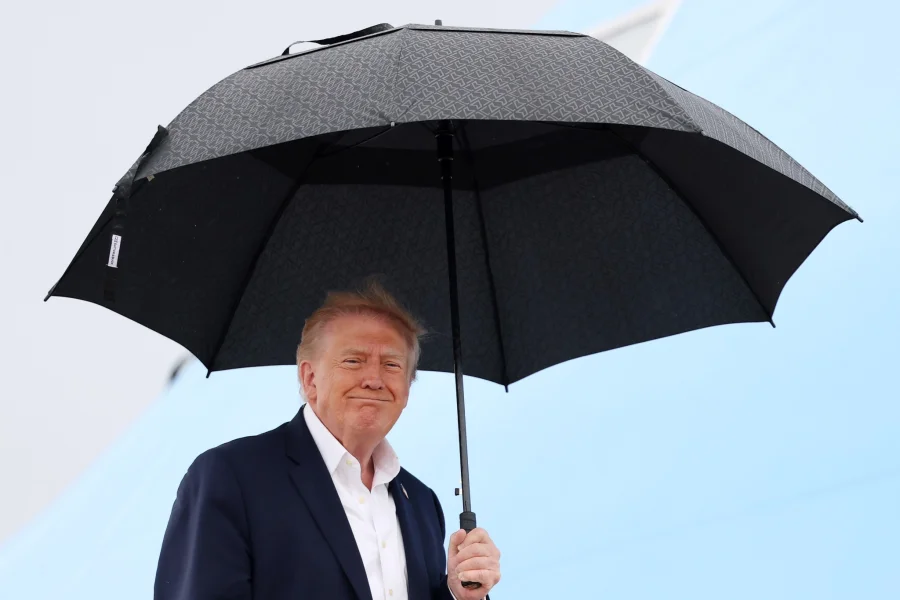
The war of attrition between Washington and Tehran has entered a new, more calculated phase. According to a recent analysis, the conflict is not expected to end until after the US midterm elections. The reason is a strategic deadlock: Iran reportedly wants to keep US gas prices high to influence the vote, while President Trump is politically boxed in, unable to accept what would be perceived as a "surrender."
A War of Economic Attrition, Not Just Airstrikes
The core of this standoff is economic. The analysis suggests Tehran’s strategy is to apply financial pressure on American households. By keeping the threat level high in the Gulf, Iran can indirectly keep global oil prices elevated. For the average American voter, this translates directly to the cost of filling their car’s tank.
This is a calculated move. The goal is not a military victory, but a political one—making the incumbent administration pay a price at the ballot box for the economic pain.
Why the White House Feels Politically Trapped
For President Trump, the situation is a political Catch-22. A major de-escalation or a new deal with Iran could be framed by opponents as a concession or a "surrender." This is a label the President is reportedly unwilling to accept, especially with his base.
Conversely, a full-scale war carries its own massive risks, including even higher oil prices and a potential regional conflagration. The White House is therefore left with few good options, seemingly choosing to manage the crisis rather than resolve it.
The High-Stakes Gamble Over Gas Prices
The analysis points to a direct link between the conflict and the US economy. High gas prices act as a tax on consumers, reducing disposable income and fueling inflation. This is a potent political weapon.
By keeping the Strait of Hormuz—a vital chokepoint for global oil—under threat, Tehran can ensure a risk premium stays on every barrel of oil. This is a form of leverage that does not require a single shot to be fired.
What This Means for American Households
For millions of Americans, this geopolitical chess match is felt most acutely at the gas station. The uncertainty keeps prices volatile and generally higher than they would be in a stable environment. This directly impacts family budgets, the cost of goods, and overall economic sentiment.
Voters heading to the polls in November will likely have this economic reality in mind. The administration’s challenge is to convince them that the pressure is a necessary cost of standing firm against a hostile regime.
Confirmed Facts vs. Strategic Analysis
Confirmed: The US and Iran remain in a state of heightened tension. The US midterm elections are scheduled for November. Global oil markets are sensitive to geopolitical risk in the Middle East.
Analysis/Speculation: The specific claim that Iran is deliberately timing the conflict to influence the midterms is an assessment, not a confirmed fact. The internal political calculations of the White House are based on reported analysis, not official statements.
The Broader Pattern: Geopolitics as Economic Warfare
This situation reflects a modern trend where geopolitical rivals use economic tools—like energy prices, sanctions, and trade—as primary weapons. The battlefield is not just in the Gulf, but in the global marketplace and the wallets of ordinary citizens.
It is a slower, more grinding form of conflict, designed to exhaust the opponent’s economy and political will over time.
What Should Readers Watch For?
Keep an eye on two key indicators. First, the weekly US gasoline price averages. A sustained spike will increase political pressure on the White House. Second, any back-channel diplomatic signals from Oman or Switzerland, which often serve as intermediaries. A sudden, quiet meeting could signal a shift.
The Road Ahead: A Post-Midterm Resolution?
The analysis suggests the deadlock may only break after the elections. Once the political stakes of the vote are removed, both sides may find more room to maneuver. A lame-duck session or a new Congress could provide a different political backdrop for negotiations.
Until then, the strategy on both sides appears to be one of endurance.
Our Take
This is a story about political survival as much as it is about international security. The analysis paints a picture of two leaderships locked in a test of wills, where the immediate economic pain for American consumers is a deliberate part of the strategy. The true cost of this standoff is not measured in military terms, but in the daily financial strain on ordinary families.
Frequently Asked Questions
Why would Iran want high US gas prices?
The analysis suggests it is a form of political leverage. By keeping economic pressure on American voters, Tehran hopes to influence the outcome of the midterm elections, potentially weakening the current administration's position.
What does "boxed in" mean for President Trump?
It means he is politically constrained. He cannot easily de-escalate without being accused of weakness or "surrender," but he also cannot afford the economic and human costs of a full-scale war. This limits his options to managing the crisis rather than solving it.
How does this conflict affect oil prices?
The conflict creates a "risk premium" on oil. Traders worry about potential disruptions to supply from the Middle East, especially through the Strait of Hormuz. This uncertainty keeps prices higher than they would be otherwise.
Is the standoff definitely going to last until the midterms?
This is a reported analysis, not a certainty. It is a prediction based on the current political and strategic incentives. A sudden change in leadership, a diplomatic breakthrough, or an unexpected event could alter the timeline.