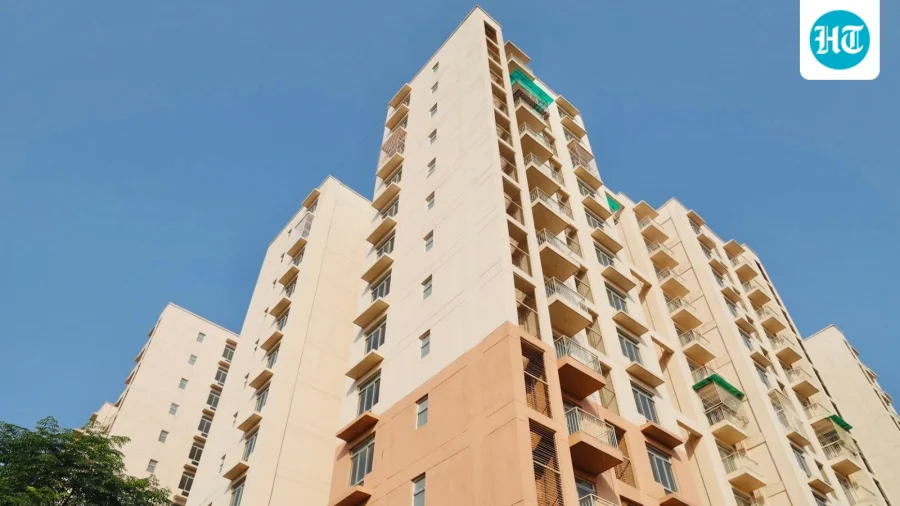
Thousands of families in Delhi's cooperative housing societies woke up to a directive that could reshape how safe their buildings really are. The order is simple on paper: conduct structural, fire, and lift safety audits. Submit the report in 30 days. If defects are found, fix them immediately. But for residents who have lived for years with leaking ceilings, unreliable lifts, and blocked fire exits, this is more than paperwork — it is a long-overdue safety reckoning.
What Exactly Has Been Ordered — And Who It Covers
Cooperative societies across Delhi have been directed to carry out three specific types of audits: structural safety, fire safety, and lift safety. Each society's managing committee is responsible for commissioning these audits and submitting the findings within 30 days.
The directive applies to cooperative societies — a category that includes thousands of registered housing societies across the national capital. These are not individual builder projects but resident-managed collectives where the managing committee acts as the decision-making body.
Why This Order Matters for Lakhs of Delhi Residents
Delhi's cooperative housing stock is aging. Many societies were built decades ago and have seen minimal structural intervention since. Lifts installed in the 1990s or early 2000s are still running in several buildings. Fire safety systems, where they exist, are often outdated or unmaintained.
For residents, the risks are not theoretical. A malfunctioning lift can trap people for hours. A compromised structure can develop cracks that worsen silently. A blocked or non-functional fire exit turns a small incident into a catastrophe. This order attempts to move safety from assumption to verification.
How the Directive Unfolds Over the Next 30 Days
The timeline is tight. Managing committees must identify and engage qualified auditors for structural, fire, and lift assessments. Each audit type typically requires different specialists — structural engineers, fire safety experts, and lift inspection agencies.
Once audits are complete, reports must be compiled and submitted. If deficiencies are flagged, the committee is expected to initiate remedial action without waiting for further instructions. The 30-day window applies to the submission of reports, with corrective action expected to follow immediately.
Who Is Most Affected by This Safety Push
Residents of older cooperative societies stand to gain the most. These are buildings where maintenance has often been deferred due to budget constraints, disagreements within managing committees, or simple inertia.
Senior citizens, children, and daily-wage workers who depend on lifts to move in and out of their homes are particularly vulnerable when safety systems fail. For them, a functioning lift is not a luxury — it is essential infrastructure.
Managing committee members, meanwhile, face a new layer of responsibility. They must now act as compliance officers, coordinators, and decision-makers — roles that many volunteer members are not professionally trained for.
What Officials and Managing Committees Are Expected to Do
The directive places the onus on managing committees to take immediate remedial action if defects or safety deficiencies are found. This means committees cannot simply file a report and wait. They are expected to act.
In practice, this could involve everything from repairing structural cracks and upgrading fire detection systems to replacing or modernising lifts that fail inspection. The cost implications for individual societies will vary widely depending on the condition of their buildings and the extent of work required.
Reading Between the Lines — What This Directive Signals
This order reflects a broader shift in how urban safety is being governed. Instead of waiting for a tragedy to trigger action, the approach here is preventive — mandate audits, force disclosure, and require fixes.
It also signals that cooperative societies can no longer treat safety as an optional expense. The directive effectively makes safety compliance a measurable obligation, with a clear deadline and a clear expectation of follow-through.
Confirmed Facts vs What Remains Unclear
Confirmed: Cooperative societies in Delhi have been ordered to conduct structural, fire, and lift safety audits. Reports must be submitted within 30 days. Managing committees must take immediate remedial action if defects are found.
Unclear: The specific penalty for non-compliance has not been detailed in the available information. It is also unclear whether any extension mechanism exists for societies facing logistical challenges. The exact number of societies covered by this directive has not been specified in the source material.
Risks and the Balanced View
The directive is well-intentioned, but implementation challenges are real. Many cooperative societies operate on tight budgets. A structural audit alone can cost lakhs, and remedial work can run into crores. For smaller societies with limited reserves, this could create financial strain.
There is also the question of auditor availability. If thousands of societies rush to comply within 30 days, the pool of qualified structural, fire, and lift auditors may be stretched thin. This could lead to rushed inspections or inflated fees.
Critics may argue that without a clear enforcement mechanism, the directive could become another well-meaning circular that generates paperwork but not real change. The true test will be whether defects identified in audits actually get fixed.
The Wider Pattern — Urban Safety Audits Are Becoming the Norm
Delhi's move is part of a larger trend across Indian cities where aging infrastructure is being subjected to mandatory safety audits. From Mumbai's building collapse incidents to fire tragedies in commercial complexes, the pattern is consistent: neglect accumulates silently until a disaster forces action.
By mandating audits proactively, Delhi is attempting to break that cycle. Whether it succeeds depends on enforcement, funding support, and the willingness of managing committees to treat safety as a priority rather than a formality.
What Residents and Managing Committees Should Do Now
If you live in a cooperative society, ask your managing committee whether the audit process has begun. Attend the next general body meeting and request a timeline. If you are on the managing committee, start identifying qualified auditors immediately — the 30-day window is already running.
Residents can also document visible safety issues — cracks, non-functional lifts, blocked fire exits — and submit them to the committee. This creates a record and ensures that audit findings reflect ground reality.
What Could Happen Next
If societies comply and submit reports, the next phase will involve remedial work — which could take months or longer depending on the severity of defects. If compliance is poor, the directive could be followed by stricter enforcement measures.
There is also the possibility that this becomes an annual or periodic requirement, embedding safety audits into the regular governance of cooperative societies. For now, the focus is on the first 30 days.
Our Take
This directive is a necessary step, but it is only a beginning. Audits identify problems; they do not solve them. The real measure of success will be whether Delhi's cooperative societies emerge safer — not just better documented. For residents, this is an opportunity to demand accountability. For managing committees, it is a test of governance. And for the city, it is a reminder that safety cannot be deferred indefinitely.
Frequently Asked Questions
What is the 30-day deadline for Delhi cooperative societies?
Cooperative societies in Delhi have been ordered to complete structural, fire, and lift safety audits and submit their reports within 30 days from the date of the directive.
Who is responsible for conducting these safety audits?
The managing committee of each cooperative society is responsible for commissioning the audits and ensuring reports are submitted on time. If defects are found, the committee must take immediate remedial action.
What happens if a society fails to submit the audit report?
The available information does not specify penalties for non-compliance. However, failure to comply could invite further regulatory scrutiny or enforcement action.
What should residents do if they notice safety issues in their society?
Residents should report visible safety concerns — such as structural cracks, non-functional lifts, or blocked fire exits — to their managing committee and request that these be included in the audit process.