Stones and bottles were allegedly thrown at a Congress campaign convoy in Assam's Nagaon district. A day later, the party did not just condemn the attack — it turned the question back on the Election Commission, asking whether the body meant to guarantee free and fair polls can protect the people contesting them.
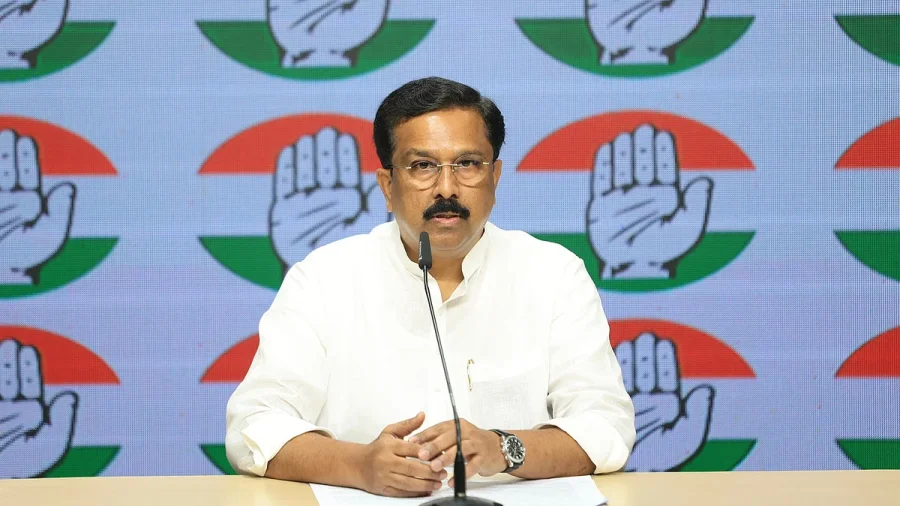
At a press conference in Delhi on Tuesday, Congress Rajya Sabha MP Syed Nasir Hussain demanded an independent inquiry into the incident and strict action against those responsible. The demand shifts the focus from a single roadside attack to a larger question: who is accountable when political violence touches an election campaign?
From Nagaon to Delhi: How the Congress Escalated Its Demand
According to the party's account, the convoy was targeted in Nagaon, with stones and bottles allegedly hurled at it. The Congress described the incident as part of a pattern of political violence, not an isolated flare-up.
Hussain used the press conference to press the Election Commission directly, arguing that an independent inquiry is necessary to establish who was behind the attack and why security arrangements failed.
Why an ECI Inquiry Demand Carries Weight in Election Season
The Election Commission is the constitutional authority responsible for conducting elections and ensuring a level playing field. When a party asks it to investigate an attack on its own campaign, it is effectively asking the poll body to test its own machinery.
For Opposition parties, such demands are also a way of signalling that they do not trust the state administration to investigate itself. That framing — state government versus independent oversight — is central to the Congress's argument here.
What the Congress Is Asking For
Hussain's demands went beyond the immediate incident. He called for security to be provided to Opposition leaders, candidates, workers and journalists until the elections are held.
He also demanded that officers responsible for the security arrangements be transferred and suspended — a direct challenge to the state's policing of campaign events.
Who Is Affected — and Why It Matters Beyond One Party
Campaign convoys are not just leaders and flags. They carry local candidates, party workers, volunteers and journalists travelling with them. An attack on a convoy is, in practical terms, an attack on the ability of ordinary people to participate in the democratic process.
If Opposition workers feel unsafe on the campaign trail, the consequences extend to voters who rely on those campaigns to hear competing arguments before casting a ballot.
The Congress's Charge Against the BJP-Led State Government
The party accused the BJP-led Assam government of using political violence to suppress the Opposition. It also questioned the Election Commission's handling of the incident, suggesting the response so far has not matched the seriousness of the attack.
The state government's detailed response to these specific allegations was not available in the source material, and the claims remain the Congress's position rather than an established finding.
Confirmed Facts vs What Remains Unclear
Confirmed: The Congress held a press conference in Delhi; Hussain demanded an independent ECI inquiry, action against those responsible, security for Opposition figures, and transfers and suspensions of concerned officers.
Unclear: The exact sequence of events in Nagaon, the number of people injured, whether any FIR has been registered, and who the alleged attackers were. The Election Commission's response to the demand is also not yet known.
The Pattern the Congress Is Pointing To
By framing the Nagaon incident as political violence rather than a law-and-order stray event, the Congress is connecting it to a broader argument about the safety of Opposition campaigns in BJP-ruled states.
Whether that framing holds will depend on what an inquiry — if one is ordered — establishes. Until then, it remains a political claim in a contested election environment.
What This Means for Voters and Campaign Workers
For voters, the immediate question is whether campaigning in the region can continue without disruption. For party workers and journalists, the demand for security is not abstract — it is about whether they can do their jobs without fear.
For the Election Commission, the test is whether it can be seen to act independently and quickly, especially when the complainant is an Opposition party accusing a state government.
What Could Happen Next
The Election Commission could order an inquiry, seek a report from the state administration, or take no immediate public action. Each path carries its own political reading.
The Congress, meanwhile, is likely to keep the Nagaon incident in its national messaging, using it as evidence for its larger charge of Opposition suppression.
Our Take
This is less about a single convoy and more about the credibility of the election machinery. When a party asks the Election Commission to investigate an attack on its own campaign, the answer — or the silence — will shape how both sides frame the rest of the election season.
Frequently Asked Questions
What happened in the Assam convoy attack?
Stones and bottles were allegedly hurled at a Congress campaign convoy in Assam's Nagaon district. The Congress has described it as political violence against the Opposition.
What is the Congress demanding from the Election Commission?
Congress MP Syed Nasir Hussain demanded an independent inquiry into the incident, strict action against those responsible, security for Opposition leaders, candidates, workers and journalists, and the transfer and suspension of officers handling security arrangements.
Has the Election Commission responded to the demand?
No response from the Election Commission was detailed in the available source material. The status of any inquiry or action remains unclear.
Why is this incident significant for the elections?
It raises questions about the safety of Opposition campaigns and the Election Commission's ability to ensure a level playing field — issues that can influence voter confidence and the broader political narrative.