Nothing says "trust me with your inbox, your calendar, and your credit card" quite like a smiling toy with admin access. That, at least, appears to be the bet Meta and OpenAI are making — handing their new AI agents faces people might actually want to hug.
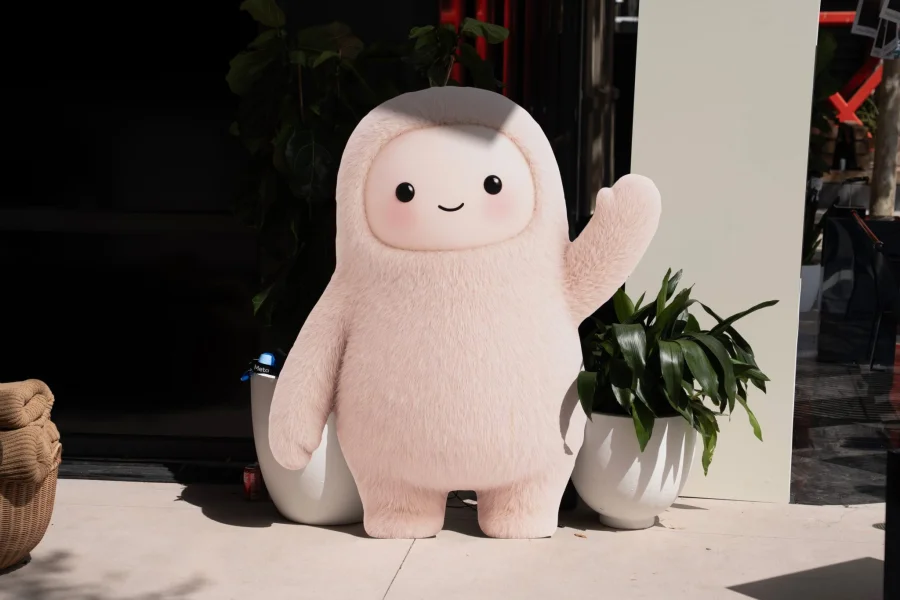
Meta introduced Muse on Sept. 8, then later gave it Jolly, a fuzzy, customizable mascot with rosy cheeks. On Sept. 29, OpenAI unveiled Dots, whose optional colorful characters sport berets, bow ties, and glasses. Users of both can even give their agent a name.
The Mascot Playbook: From Clippy to Jolly
The move echoes a familiar tech tradition. Microsoft's Clippy — the paperclip assistant that annoyed a generation — was an early attempt to give software a personality. Meta and OpenAI are betting that a warmer, cuter version of that idea can succeed where Clippy failed.
The difference now is access. These agents aren't just offering tips; they're being positioned to handle email, schedules, and potentially payments. A friendly face, the thinking goes, makes that leap feel less invasive.
Why a Smiling Face Matters When AI Wants Your Data
AI doomerism is loud right now. Headlines warn about job losses, misinformation, and runaway systems. Against that backdrop, a rosy-cheeked mascot is a deliberate counterweight — a signal that this technology is approachable, harmless, and on your side.
For Meta and OpenAI, the stakes are commercial. The companies that win consumer AI adoption will likely be the ones users trust enough to grant deep permissions. Charm, in that framing, isn't decoration. It's a conversion strategy.
Ed Zitron's Blunt Verdict: 'It's Entirely Marketing'
Not everyone is buying the warmth. Ed Zitron, founder of PR firm EZPR and an increasingly vocal critic of AI and big tech, said he sees the mascots primarily as a publicity strategy.
"It's entirely marketing," he told Fortune. "It exists to get quo..." — a comment that captures the skepticism many in the industry share about whether cuteness signals anything real about product quality or safety.
What Meta and OpenAI Haven't Said
Neither company has publicly framed the mascots as a trust-building measure in the source material reviewed. That silence leaves the interpretation open: is this thoughtful design, or a calculated attempt to soften scrutiny?
Without official statements, readers should treat the "cute face as trust strategy" framing as analysis, not confirmed company intent.
Confirmed Facts vs. What Remains Unclear
Confirmed: Meta launched Muse on Sept. 8 and added Jolly, a customizable fuzzy mascot. OpenAI launched Dots on Sept. 29 with optional characters and accessories. Both allow user-assigned names.
Unclear: Whether the mascots measurably increase user trust or adoption. Whether either company views them as a direct response to AI criticism. What data these agents will ultimately access.
The Real Question: Does Cute Equal Safe?
A mascot can make an interface feel friendlier. It cannot make an AI agent more secure, more private, or more accurate. That gap — between emotional presentation and technical reality — is where the criticism lands.
If users grant deeper access because a character is charming, the design choice carries real consequences. Trust earned through aesthetics can outpace trust earned through transparency.
A Wider Pattern: Personality as Product Strategy
Meta and OpenAI aren't alone. Across consumer tech, companies are adding personalities to AI — voices, avatars, names — to differentiate commoditized tools. The mascot is the latest layer in that race.
It also mirrors a broader shift: as AI capabilities converge, presentation becomes a competitive edge. The company that feels safest may win, regardless of who is technically ahead.
What Readers Should Keep in Mind
If you use Muse or Dots, the mascot is optional and cosmetic. The permissions you grant are not. Review what each agent can access before letting a friendly face into your inbox or calendar.
Cuteness is a design choice. Access is a decision you make.
What Could Come Next
Expect more mascots, more customization, and more personality across AI products. Expect critics like Zitron to keep calling it marketing. And expect regulators and users to eventually ask the harder question: what does the smiling face actually protect?
Our Take
Meta and OpenAI are solving a real problem — AI feels cold and threatening to many people. A mascot is a legitimate design response to that. But when the same product asks for your email, your schedule, and potentially your money, charm should never substitute for clarity. The cute face is fine. The fine print still matters more.
Frequently Asked Questions
What is Meta's Muse AI mascot?
Muse is Meta's AI agent, introduced Sept. 8. It later received Jolly, a fuzzy, customizable mascot with rosy cheeks that users can personalize.
What is OpenAI's Dots?
Dots is OpenAI's AI agent, unveiled Sept. 29. It offers optional colorful characters with accessories like berets, bow ties, and glasses, and users can name their agent.
Why are AI companies adding mascots to agents?
Critics like Ed Zitron say it's marketing — a way to make AI agents feel friendly and trustworthy as they request access to personal data. Companies have not officially confirmed this framing.
Should I worry about giving an AI agent access to my inbox?
Review permissions carefully. A mascot is cosmetic; the access you grant is not. Only allow access you're comfortable with, regardless of how friendly the interface looks.