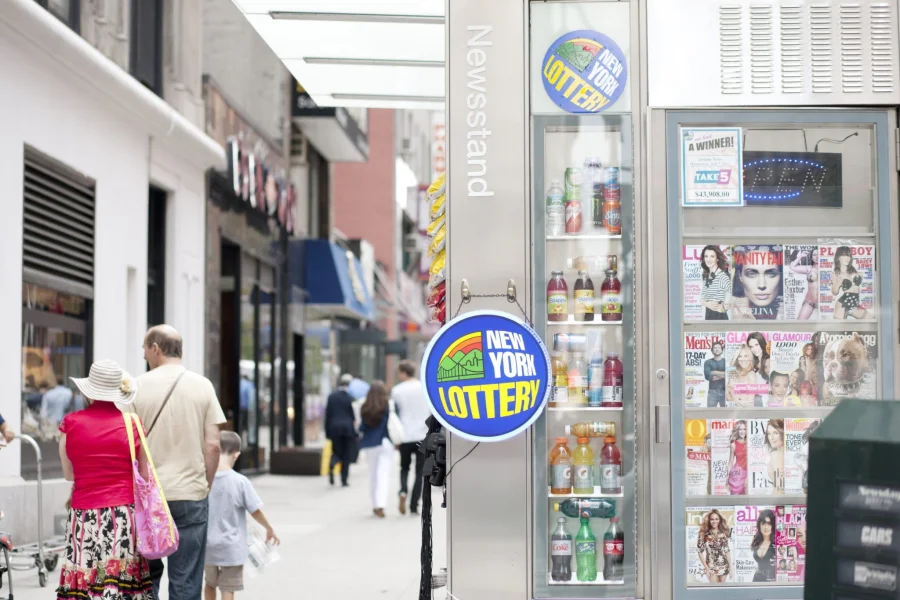
Buying a ticket is one thing. Put that same ticket behind the three simple words, “Enter to win,” and suddenly it feels worth chasing — as if winning feels more valuable than buying. This psychological shift is at the heart of why lotteries work, and Wharton economist Judd Kessler says it often reveals something deeper than manufactured excitement.
The hidden signal behind every lottery
It may seem like the lottery is what creates the excitement, but Kessler says it’s often a sign the excitement was already there. “The reason they’re having a lottery in the first place is because there is what economists would call excess demand,” he told Fortune. “More people want the thing at that price than can be served.” In other words, lotteries often reveal demand rather than create it.
Why winning feels more valuable than buying
When a product is scarce — whether it’s a sold-out concert, a limited-edition sneaker, or a coveted apartment — a lottery transforms the act of acquisition. Buying feels transactional. Winning feels like validation. The scarcity isn’t artificial; it’s a reflection of how many people wanted the item before the lottery even existed. That pre-existing desire makes the win emotionally heavier.
How businesses use lotteries to manage scarcity
Businesses don’t always eliminate scarcity. Instead, they use lotteries to allocate limited goods fairly — or at least, fairly in appearance. Kessler’s research suggests that when demand outstrips supply, a lottery can reduce resentment and increase perceived value. The winner feels lucky, not just entitled. The loser feels unlucky, not cheated.
The real-world impact on consumers
For consumers, this insight changes how to think about limited-access products. If a lottery feels exciting, it may be because the product was already in high demand. The lottery didn’t create the frenzy — it simply revealed it. That distinction matters for anyone trying to understand why they’re willing to queue, enter, or hope for a chance rather than just pay a higher price.
What economists and psychologists say
Kessler, a professor at the University of Pennsylvania’s Wharton School and author of *Lucky by Design*, has studied how lotteries shape behavior. His work aligns with behavioral economics principles: people value outcomes more when they feel earned or won, rather than simply purchased. The lottery taps into a deep psychological need for fairness and luck.
The deeper meaning behind the lottery phenomenon
This isn’t just about tickets. It’s about how humans assign value. When something is scarce and allocated by chance, the winner feels special. The act of winning becomes a story — “I was chosen” — rather than a transaction. That narrative power is why lotteries persist across industries, from housing to healthcare to entertainment.
Confirmed facts vs what remains unclear
Confirmed: Judd Kessler is a Wharton economist and author of *Lucky by Design*. He told Fortune that lotteries often reveal excess demand. Unclear: Whether this applies equally to all types of lotteries — from state-run games to private giveaways — or whether the effect varies by context. The original story does not specify.
Risks and balanced view
Critics might argue that some lotteries are designed to create artificial scarcity, not reveal genuine demand. Marketers sometimes use lotteries to manufacture hype around mediocre products. The line between revealing demand and creating it can be blurry. Kessler’s point is that when demand is real, the lottery feels more valuable — but not all lotteries are born from genuine excess demand.
Wider trend: the psychology of scarcity and luck
This insight fits into a broader behavioral economics trend: people are irrational about scarcity. From limited-time offers to exclusive memberships, businesses exploit the human tendency to value what is hard to get. Lotteries are just one tool in that toolkit, but they are uniquely powerful because they add the element of luck.
Practical reader guidance
If you’re entering a lottery — for a product, a ticket, or an opportunity — ask yourself: Is this genuinely scarce, or is the scarcity manufactured? If the demand is real, the win will feel meaningful. If it’s manufactured, the excitement may fade quickly. Understanding the difference can save you time, money, and emotional energy.
Future outlook
As more businesses adopt lottery models — from sneaker drops to housing lotteries to vaccine appointments — the psychology behind them will become more important. Kessler’s work suggests that lotteries will remain popular because they solve a real allocation problem while making winners feel valued. The key is ensuring the demand is authentic.
Our Take
This story matters because it challenges the assumption that lotteries are purely about creating excitement. Kessler’s insight — that lotteries often reveal pre-existing demand — reframes how we think about scarcity, value, and luck. It’s a reminder that the most powerful marketing tools don’t create desire; they simply surface what was already there. For consumers, that’s a valuable lens through which to view every “Enter to win” button.
Frequently Asked Questions
Why does winning feel more valuable than buying?
Winning feels more valuable because it involves luck and scarcity. When a product is in high demand, a lottery reveals that demand, making the win feel earned and special rather than transactional.
What does Judd Kessler say about lotteries?
Judd Kessler, a Wharton economist and author of *Lucky by Design*, says lotteries often reveal excess demand. More people want the item at that price than can be served, so the lottery makes winning feel more valuable than buying.
Do lotteries create demand or reveal it?
According to Kessler, lotteries typically reveal demand rather than create it. The excitement was already there — the lottery just surfaces it.
How can businesses use this insight?
Businesses can use lotteries to allocate scarce products fairly, reducing resentment and increasing perceived value. The key is ensuring the demand is genuine, not manufactured.