For millions of Indians who navigate crowded streets every day, the footpath has often been a battleground — encroached by parked vehicles, broken by construction, or simply absent. Now, the Supreme Court has delivered a landmark ruling that changes the equation: walking safely on a footpath is a fundamental right, and motorists cannot override it.
What the Supreme Court actually ruled
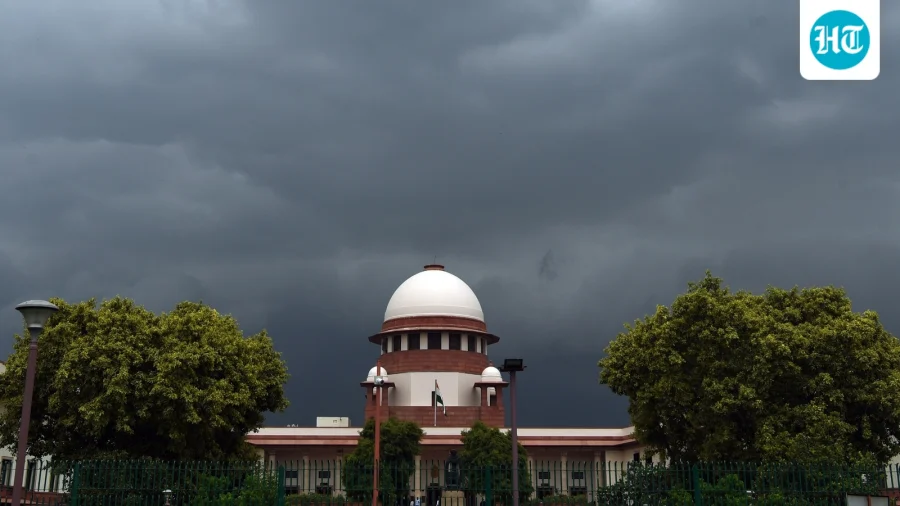
The court declared that the right to walk on demarcated footpaths is an essential facet of the fundamental right to life and personal liberty under Article 21 of the Constitution. It further held that motorists cannot undermine or override this right through road dominance or negligence. The observation came during a hearing concerning pedestrian safety and urban infrastructure, according to reports from Scroll.in and the Daily Pioneer.
Why this judgment matters for every Indian pedestrian
In Indian cities, footpaths are routinely occupied by parked cars, two-wheelers, street vendors, or construction debris. Pedestrians — especially the elderly, children, and persons with disabilities — are often forced onto roads, risking accidents. This ruling legally obligates urban planners and authorities to ensure footpaths are clear, accessible, and safe. It shifts the priority from vehicles to people, a fundamental reordering of how Indian streets are designed.
How the case reached the Supreme Court
The judgment emerged from a matter concerning pedestrian safety and urban infrastructure. While the exact case details remain limited in public reports, the court's broader observation signals a constitutional mandate for pedestrian-first urban planning. The ruling builds on earlier judgments that recognised the right to safe roads and clean air as part of Article 21.
Who benefits most from this ruling
The most immediate beneficiaries are the most vulnerable road users: children walking to school, elderly citizens crossing markets, persons with disabilities navigating uneven pavements, and daily wage workers who walk long distances. For them, a clear footpath is not a luxury — it is a daily necessity. The ruling also empowers citizens to legally demand that local authorities maintain footpaths.
What the court said about motorists and road design
The Supreme Court specifically noted that motorists cannot override pedestrian rights through road dominance or negligence. This is significant in a country where cars and two-wheelers often claim the road as their exclusive domain. The court also emphasised that road design and transport planning must prioritise pedestrians rather than vehicles, a directive that could reshape how new roads and flyovers are planned.
What this means for urban planning in India
This ruling effectively makes pedestrian-friendly infrastructure a constitutional obligation. Municipal corporations, state governments, and urban development authorities must now ensure that footpaths are not afterthoughts but integral parts of road design. This includes proper width, disabled-friendly ramps, clear signage, and protection from encroachment. Failure to do so could invite legal action.
Confirmed facts vs what remains unclear
What is confirmed: The Supreme Court declared walking on footpaths a fundamental right under Article 21. Motorists cannot override this right. Urban planning must prioritise pedestrians. What remains unclear: The specific case details, the exact date of the judgment, and whether the court issued specific timelines for compliance. Reports from multiple sources confirm the ruling but do not provide a full judgment text.
Risks and challenges ahead
While the ruling is legally powerful, implementation faces significant hurdles. Indian cities have entrenched car-centric planning. Encroachments by powerful interests — from political parties to commercial establishments — often go unchecked. Without strict enforcement and public awareness, the ruling could remain symbolic. There is also the risk of selective implementation in wealthier areas while poorer neighbourhoods continue to lack footpaths.
A wider shift in how Indian courts view urban life
This judgment is part of a broader judicial trend recognising that the right to life under Article 21 includes the right to a livable urban environment. Earlier rulings have covered the right to clean air, safe drinking water, and protection from noise pollution. The footpath ruling extends this logic to the most basic act of urban life: walking.
What citizens can do now
Citizens can use this ruling to demand better footpaths from local municipal corporations and traffic police. Filing RTI applications about footpath maintenance, reporting encroachments, and approaching local courts for non-compliance are now legally backed by a constitutional mandate. Pedestrian rights groups and urban activists can cite this judgment in advocacy campaigns.
What happens next
The immediate impact will depend on how quickly state governments and municipal bodies respond. The court may issue further directions in related cases. Urban planners will need to revise road design guidelines. For ordinary citizens, the ruling provides a powerful legal tool to reclaim the footpath — a space that belongs to everyone.
Our Take
This judgment is not just about footpaths — it is about who Indian cities are designed for. For decades, urban planning has prioritised cars, widening roads and building flyovers while pedestrians were pushed to the margins. The Supreme Court has now constitutionally affirmed that the most vulnerable road user has the highest claim to safety. The real test, however, lies in implementation. Without sustained citizen pressure and political will, even the strongest judgment can gather dust. But for now, every Indian who walks has a constitutional right to do so safely.
Frequently Asked Questions
Is walking on footpaths now a fundamental right in India?
Yes, the Supreme Court has declared that the right to walk safely on footpaths is a fundamental right under Article 21 of the Constitution, which guarantees the right to life and personal liberty.
Can motorists still park on footpaths after this ruling?
No. The court explicitly stated that motorists cannot override pedestrian rights through road dominance or negligence. Parking on footpaths violates this fundamental right and can be legally challenged.
What does this ruling mean for disabled persons?
The court emphasised that footpaths must be disabled-friendly. This means ramps, clear pathways, and proper surfaces are now a constitutional requirement, not just a recommendation.
Can I take legal action if my local footpath is broken or encroached?
Yes. Citizens can approach local authorities or courts citing this Supreme Court ruling to demand that footpaths be cleared, repaired, and maintained as a fundamental right.