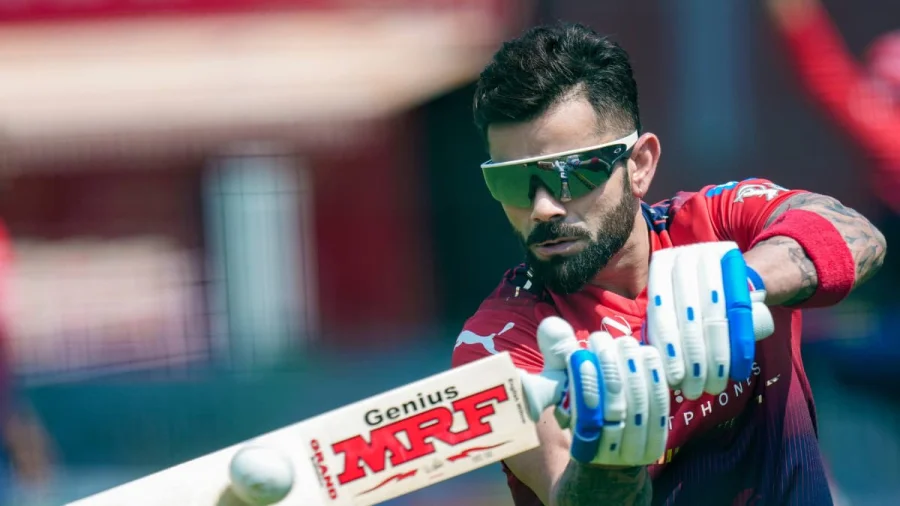
For eighteen seasons, the Indian Premier League has been a stage where cricketing legends are made — and paid. A newly finalized commercial valuation assessment has now confirmed what many fans suspected: Virat Kohli stands as the highest cumulative earner in the league's history, with total earnings crossing a staggering ₹230 crore. The revelation, published jointly by research authorities Fanatic Sports and Hurun India, places MS Dhoni and Rohit Sharma close behind, but it's Kohli who tops the list in a report that has reignited conversations about player value, loyalty, and the economics of modern cricket.
The Numbers That Define a Legacy: Kohli, Dhoni, and the IPL Earnings List
According to the exhaustive structural analysis released on Tuesday, Virat Kohli's total IPL earnings amount to ₹230.14 crore. This figure includes his salary from Royal Challengers Bengaluru (RCB) across all seasons, making him the highest grossing player in the league's 18-year operational history. Following him is MS Dhoni, the iconic Chennai Super Kings captain, with cumulative earnings of ₹216.50 crore. Rohit Sharma, the most successful captain in IPL history with six titles, rounds out the top three with ₹183.70 crore.
The report, which covers the period from the inaugural 2008 season through the 2025 edition, provides a comprehensive look at how player compensation has evolved. It's not just about the biggest names — the data reveals a league that has consistently rewarded its most consistent performers.
Why This Matters Right Now
This isn't just a list of numbers. The report arrives at a time when the IPL's commercial value is at an all-time high, with media rights deals and franchise valuations soaring. For fans, it's a moment to appreciate the financial legacy of players who have defined the league. For investors and analysts, it's a data point that underscores the IPL's ability to generate and distribute wealth. And for the players themselves, it's a testament to longevity, brand value, and on-field consistency in a league where careers can be short and unpredictable.
The emotional weight is undeniable. Kohli, who has played for only one franchise in his entire IPL career, represents loyalty in an era of frequent transfers. Dhoni, who has led CSK through highs and lows, embodies leadership and resilience. Rohit, who transformed Mumbai Indians into a dynasty, symbolizes success. Their earnings reflect not just their batting or bowling averages, but their cultural impact on Indian cricket.
How the IPL Earnings Report Was Compiled
The Fanatic Sports and Hurun India report is not a simple aggregation of salary data. It is a structural analysis that factors in player contracts, retention fees, and performance bonuses across all 18 seasons. The research team examined franchise financial disclosures, BCCI records, and publicly available contract information to arrive at the cumulative figures.
The methodology is significant because it provides a standardized comparison. Earlier reports had occasionally placed Dhoni ahead of Kohli, but this new assessment — based on the most recent and complete data — confirms Kohli's position at the top. The report also includes data on other high earners, though the top three remain the most talked-about.
Who Is Affected and What Officials Are Saying
For the players themselves, the report is a validation of their market value. For franchises, it's a reminder of the investment required to retain marquee players. For the BCCI and IPL governing council, it's evidence that the league's financial model is working as intended — rewarding performance and loyalty.
While no official statements have been released by the players or franchises, the report has generated significant discussion on social media and in cricket circles. Fans have been quick to celebrate Kohli's achievement, while also acknowledging Dhoni's remarkable consistency despite playing fewer seasons in the later years of his career.
What We Know So Far — and What Remains Unclear
What we know: Virat Kohli is the highest cumulative earner in IPL history with ₹230.14 crore. MS Dhoni is second with ₹216.50 crore. Rohit Sharma is third with ₹183.70 crore. The data covers all 18 seasons from 2008 to 2025.
What remains unclear: The exact breakdown of salary versus bonuses for each player. The report does not specify how much of each player's earnings came from retention fees versus performance bonuses. Additionally, the data does not include endorsement income or brand deals, which for players like Kohli and Dhoni are believed to be significantly higher than their IPL salaries.
There is also some uncertainty about how the figures compare to earlier estimates. Previous reports had sometimes placed Dhoni ahead, and the discrepancy may be due to different methodologies or data cut-off dates.
Risks, Concerns, and the Balanced View
While the report is a celebration of player earnings, it also raises questions about the sustainability of such high salaries. Critics argue that the IPL's financial model is heavily dependent on media rights deals, which could face headwinds in the future. There are also concerns about the disparity between top earners and the rest of the squad — many players earn a fraction of what the superstars make.
From a balanced perspective, the report highlights both the success and the challenges of the IPL's economic model. The league has created unprecedented wealth for a select group of players, but it has also raised expectations and pressures that can be difficult to manage. For every Kohli or Dhoni, there are dozens of players who earn modest salaries and face uncertain futures.
Another concern is the impact of the mega auction system. While retention fees have allowed players like Kohli to stay with one franchise, the auction process can also lead to inflated prices and financial strain on teams.
Why Similar Trends in Player Earnings Are Growing
The IPL's player earnings have grown exponentially since the first season in 2008. In the early years, the highest-paid players earned around ₹6-8 crore per season. Today, top players can earn ₹15-20 crore annually, not including retention bonuses and performance incentives.
This growth mirrors the league's overall commercial expansion. The IPL's media rights deal for the 2023-2027 cycle was valued at over ₹48,000 crore, a massive increase from previous cycles. Franchise valuations have also skyrocketed, with teams like Mumbai Indians and Chennai Super Kings now valued at over ₹1,000 crore each.
The trend is not unique to the IPL. Similar patterns can be seen in the English Premier League, the NBA, and other major sports leagues around the world. However, the IPL's rapid growth in a relatively short period is remarkable.
- Virat Kohli has played for RCB in all 18 seasons, making him the only player to have been retained by a single franchise throughout the league's history.
- MS Dhoni has led CSK to five IPL titles, the joint-most by any captain.
- Rohit Sharma has won six IPL titles as captain (five with MI, one with Deccan Chargers as a player).
"The IPL has created a unique ecosystem where player loyalty and performance are rewarded with unprecedented financial returns." — Analysis from the Fanatic Sports and Hurun India report
What Readers, Fans, and Investors Should Know Now
For fans, the report is a chance to appreciate the financial legacy of players who have defined the IPL. It's also a reminder that the league's success is built on the backs of its most consistent performers.
For investors and analysts, the data provides a benchmark for understanding player valuation in the IPL. It can be used to assess franchise financial health, player retention strategies, and the overall economic impact of the league.
For aspiring cricketers, the report is both inspiring and cautionary. While the top earners have made fortunes, the path to such earnings requires exceptional talent, consistency, and longevity. The IPL is a meritocracy, but it's also a high-risk environment where careers can end quickly.
What Could Happen Next
The report is likely to influence future player contract negotiations. Players like Kohli and Dhoni have set a benchmark that will be used by agents and franchises in upcoming auctions and retention discussions.
There is also speculation that the BCCI may consider introducing a salary cap or more structured retention rules to ensure financial fairness across franchises. However, any such changes would likely face resistance from teams that have invested heavily in marquee players.
For the players themselves, the report adds another layer to their already legendary status. Kohli, Dhoni, and Rohit are not just cricketers — they are brands, icons, and symbols of the IPL's success. Their earnings are a reflection of their impact on the game and on millions of fans.
Our Take: Why This Story Matters Beyond One Report
This report is more than a list of numbers. It's a snapshot of the IPL's evolution from a fledgling league to a global sporting powerhouse. The fact that three players have earned over ₹600 crore combined is a testament to the league's ability to generate wealth and reward talent.
But it's also a story about loyalty, consistency, and the human side of cricket. Kohli's decision to stay with RCB through thick and thin, Dhoni's unwavering leadership at CSK, and Rohit's transformation of MI into a dynasty — these are narratives that resonate far beyond the balance sheet.
In an era where sports leagues are increasingly driven by money, the IPL has managed to maintain a sense of emotional connection between players and fans. That is perhaps its greatest achievement.
FAQs
Who is the highest paid player in IPL history?
According to a report by Fanatic Sports and Hurun India, Virat Kohli is the highest cumulative earner in IPL history with total earnings of ₹230.14 crore across 18 seasons.
How much has MS Dhoni earned from the IPL?
MS Dhoni has earned ₹216.50 crore from the IPL, making him the second highest earner in the league's history, according to the same report.
Is Virat Kohli's IPL earnings higher than MS Dhoni's?
Yes, the report confirms that Virat Kohli's cumulative IPL earnings of ₹230.14 crore are higher than MS Dhoni's ₹216.50 crore, making Kohli the highest grossing player in IPL history.
What does the Fanatic Sports and Hurun India report cover?
The report covers player earnings across all 18 seasons of the IPL, from 2008 to 2025, including salaries, retention fees, and performance bonuses for the highest earning players in the league.