World
Deep Research · 5 sources
Jun 01, 2026· min read
US says it struck Iranian radar sites as Iran targets American forces in Kuwait
## US Strikes Iranian Radar Sites After Iran Targets American Forces in Kuwait
The United States has confirmed it carried out airstrikes on Iranian radar and d...
Rajendra Singh
News Headline Alert
728 x 90Header Slot
TL;DR — Quick Summary
The United States has confirmed it carried out airstrikes on Iranian radar and drone sites near the Strait of Hormuz. This follows Iranian retaliatory strikes that targeted American forces stationed in Kuwait. Kuwait has condemned the "repeated" Iranian attacks. The escalation marks a significant spike in US-Iran military tensions in the region.
Key Facts
Key Point
The US says it struck Iranian radar and drone sites.
Key Point
Iran retaliated by targeting American forces in Kuwait.
Key Point
Kuwait has condemned the "repeated" Iranian attacks.
Key Point
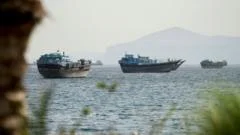
The strikes occurred around the strategic Strait of Hormuz.
Key Point
This is a major escalation in US-Iran military tensions.
## US Strikes Iranian Radar Sites After Iran Targets American Forces in Kuwait
The United States has confirmed it carried out airstrikes on Iranian radar and drone sites near the Strait of Hormuz, escalating military tensions in the Middle East. This comes after Iran launched retaliatory strikes targeting American forces stationed in Kuwait, drawing sharp condemnation from Kuwaiti authorities.
For readers following the volatile situation in the Gulf, this is a significant development. The strikes represent a direct military exchange between the US and Iran, with American troops in Kuwait caught in the crossfire. The Strait of Hormuz, a critical chokepoint for global oil shipments, is now at the center of a dangerous confrontation.
### Quick Answer: What Happened?
The US bombed Iranian radar and drone sites. In response, Iran targeted American forces in Kuwait. Kuwait condemned the Iranian attacks. The situation remains fluid, with both sides signaling further potential action.
### Why This Matters Right Now
This is not just another skirmish. The targeting of American forces in Kuwait marks a direct threat to US personnel and a key regional ally. Kuwait's condemnation signals that the conflict is spilling beyond US-Iran bilateral tensions, potentially drawing in other Gulf states.
The Strait of Hormuz is a vital waterway for global energy supplies. Any sustained military action here could disrupt oil shipments, impacting global fuel prices and economic stability. For ordinary people, this could mean higher prices at the pump and increased geopolitical uncertainty.
### Timeline of Events
**H3: Timeline**
- **Recent Days:** The US confirms it struck Iranian radar and drone sites.
- **Retaliation:** Iran retaliates by targeting American forces in Kuwait.
- **Kuwait Responds:** Kuwait condemns the "repeated" Iranian attacks.
- **Ongoing:** The situation remains tense, with both sides on high alert.
### How This Affects People
For American troops in Kuwait, the threat is immediate and personal. For Kuwaiti civilians, the fear of being caught in a crossfire is real. For the global community, the risk of a broader regional war has increased.
The economic impact could be severe. The Strait of Hormuz sees about 20% of the world's oil pass through it daily. Any disruption could send oil prices soaring, affecting everything from transportation costs to household heating bills.
### What Authorities Are Saying
- **United States:** The US has confirmed the strikes on Iranian radar and drone sites, framing them as a defensive response.
- **Iran:** Iran has confirmed its retaliatory strikes targeting American forces in Kuwait.
- **Kuwait:** Kuwait has condemned the "repeated" Iranian attacks, expressing concern over its sovereignty and the safety of its people.
### Detailed Analysis
The US strikes appear to be a direct response to Iranian actions, including the shooting down of an American drone. The targeting of radar and drone sites suggests a focus on degrading Iran's surveillance and strike capabilities.
Iran's retaliation, targeting American forces in Kuwait, is a significant escalation. It demonstrates Tehran's willingness to strike at US assets beyond its borders, potentially opening a new front in the conflict.
Kuwait's condemnation is crucial. It signals that Gulf states are not willing to be passive hosts for this conflict. This could lead to diplomatic pressure on both the US and Iran to de-escalate.
### What We Know vs What Remains Unclear
**What We Know:**
- The US struck Iranian radar and drone sites.
- Iran targeted American forces in Kuwait.
- Kuwait condemned the Iranian attacks.
**What Remains Unclear:**
- The full extent of damage from the US strikes.
- The exact number of casualties, if any.
- Whether further retaliatory strikes are planned.
- The long-term impact on US-Iran relations and regional stability.
### Risks & Concerns
- **Escalation Spiral:** The risk of a tit-for-tat cycle leading to a full-scale war.
- **Civilian Casualties:** The potential for civilian harm in both Iran and Kuwait.
- **Economic Disruption:** The threat to global oil supplies and economic stability.
- **Regional Instability:** The possibility of drawing other Gulf states into the conflict.
- **Diplomatic Fallout:** The erosion of diplomatic channels for de-escalation.
### Trend Analysis
This incident is part of a broader pattern of escalating US-Iran tensions. From the US withdrawal from the nuclear deal to the assassination of General Qasem Soleimani, the two countries have been on a collision course.
The use of proxy forces and direct strikes has become more common. The targeting of American forces in Kuwait is a new and dangerous development, as it directly threatens a key US ally in the region.
### What Readers Should Know Now
- The situation is highly volatile and could escalate further.
- Monitor official statements from the US, Iran, and Kuwait.
- Be aware of potential economic impacts, especially on oil prices.
- Stay informed through reliable news sources.
### What Could Happen Next
- **Further Retaliation:** Iran may launch additional strikes against US assets.
- **US Response:** The US could conduct more airstrikes or impose new sanctions.
- **Diplomatic Efforts:** International pressure may lead to a ceasefire or negotiations.
- **Regional Spread:** The conflict could draw in other actors, such as Hezbollah or Iraqi militias.
### Our Take
This is a dangerous moment. The direct targeting of American forces in Kuwait is a red line that the US cannot ignore. However, a full-scale war would be catastrophic for the entire region. Both sides must find a way to de-escalate before the situation spirals out of control.
### FAQs
**1. Why did the US strike Iranian radar sites?**
The US says it struck Iranian radar and drone sites in response to Iranian actions, including the shooting down of an American drone. The strikes were aimed at degrading Iran's military capabilities.
**2. How did Iran retaliate?**
Iran retaliated by targeting American forces stationed in Kuwait. This marks a significant escalation, as it directly threatens US personnel in a key allied nation.
**3. What is Kuwait's position?**
Kuwait has condemned the "repeated" Iranian attacks, expressing concern over its sovereignty and the safety of its people. This puts diplomatic pressure on Iran and signals Kuwait's desire to stay out of the conflict.
**4. Could this lead to a wider war?**
The risk of a wider war is significant. The direct exchange of fire between the US and Iran, especially on the soil of a third country, increases the potential for a broader regional conflict. Diplomatic efforts are urgently needed to prevent further escalation.
Rajendra Singh Tanwar is a staff correspondent at News Headline Alert, one of India's digital news platforms covering national and state developments across politics, health, business, technology, law, and sport. He reports on government decisions, policy announcements, corporate developments, court rulings, and events that affect people across India — drawing on official documents, named sources, expert commentary, and verified public records.
His work spans breaking news, policy analysis, and public interest reporting. Before each article is published, it is reviewed by the News Headline Alert editorial desk to ensure accuracy and editorial standards are met. Corrections, sourcing queries, and editorial feedback can be directed to editorial@newsheadlinealert.com.