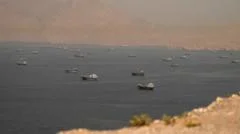
The United States military launched new strikes against Iran early Wednesday, hours after three merchant ships were struck in the Strait of Hormuz, dramatically escalating the conflict and threatening a fragile interim deal to end the fighting between the two countries. The attacks, confirmed by US Central Command (Centcom), are the latest exchange in a rapidly deteriorating situation that has raised global alarm over energy security and regional stability.
What Happened: US Strikes and Tanker Attacks
The US military conducted strikes on Iranian targets early Wednesday, July 8, 2026, in direct retaliation for attacks on commercial vessels in the Strait of Hormuz. According to Centcom, the strikes were intended to impose "heavy costs" on Iran for its actions. The attacks came hours after three merchant ships were hit in the strategic waterway, a vital chokepoint for global oil shipments. The US has not specified the exact targets or locations of the strikes, but the move marks a significant escalation in the ongoing confrontation.
Why the Strait of Hormuz Matters to You
The Strait of Hormuz is one of the world's most critical maritime chokepoints, through which about 20% of global oil passes. Any disruption here directly impacts fuel prices, supply chains, and the cost of goods worldwide. For Indian consumers, this could mean higher petrol and diesel prices, as India imports a significant portion of its crude oil from the Gulf region. The shipping risk in the strait has now been raised to "severe," signaling that commercial vessels face immediate danger, which could further disrupt global trade.
Timeline: How the Crisis Escalated
The current crisis began when Iranian forces targeted commercial vessels in the Strait of Hormuz, striking three tankers in a coordinated attack. The US responded with retaliatory strikes against Iranian targets, marking a direct military confrontation. This exchange threatens an interim deal that had been brokered to end the fighting between the two countries, raising fears of a wider war. The situation has been building over the past weeks, with reports of over 500 tankers being stuck by Iran in the strait since the start of the US and Israel's war with Iran just over two weeks ago.
Who Is Affected by the Escalation
The immediate victims are the crews of the merchant ships hit in the strait, as well as civilians in areas near the US strikes. But the ripple effects are global. Oil markets are already reacting, with prices likely to surge. Shipping companies are rerouting vessels, adding costs and delays. For ordinary people, this means higher prices at the pump and for everyday goods. The conflict also threatens the stability of the entire Gulf region, affecting millions who live in nearby countries.
Official Responses: US and Iran Statements
The US military, through Centcom, stated that the strikes were a direct response to the attacks on commercial vessels and were intended to impose "heavy costs" on Iran. The US has not ruled out further action. Iran, in response, has warned that it will "take decisive measures" to retaliate. The exact nature of Iran's response remains unclear, but it could include further attacks on shipping, missile strikes on US bases, or other forms of escalation. The interim deal to end the fighting is now in jeopardy, with both sides signaling a willingness to continue hostilities.
Analysis: What the Strikes Mean for the Conflict
The US strikes represent a significant shift from a policy of deterrence to direct retaliation. By targeting Iranian military assets, the US is signaling that attacks on commercial shipping will not be tolerated. However, this approach risks a cycle of escalation that could draw in other regional powers and disrupt global energy markets. The interim deal, which had provided a fragile pause in hostilities, now appears to be collapsing. Analysts warn that without a renewed diplomatic effort, the conflict could spiral into a broader war with unpredictable consequences.
Confirmed Facts vs What Remains Unclear
Confirmed: The US military launched strikes on Iranian targets early Wednesday. Three merchant ships were hit in the Strait of Hormuz hours earlier. The US says the strikes are intended to impose "heavy costs." Iran has warned of "decisive measures." Shipping risk in the strait has been raised to severe.
Unclear: The exact targets and locations of the US strikes. The extent of damage or casualties from the strikes. The precise nature of Iran's planned response. The status of the interim deal. The full impact on global oil markets and shipping.
Risks and Balanced View: Escalation Dangers
The US strikes carry significant risks. They could provoke a larger Iranian retaliation, potentially targeting US bases, allies, or even more commercial shipping. The conflict could draw in other regional actors, including proxies in Iraq, Syria, and Yemen. There is also the risk of miscalculation, where a limited strike leads to an unintended full-scale war. Critics argue that the US response may be disproportionate and could undermine diplomatic efforts. Supporters say that a strong response is necessary to deter future attacks on commercial shipping and protect global trade.
Wider Trend: The Growing Threat to Global Shipping Lanes
The attacks on tankers in the Strait of Hormuz are part of a broader pattern of threats to global shipping lanes. From the Red Sea to the South China Sea, strategic waterways are becoming flashpoints for conflict. The weaponization of maritime chokepoints by state and non-state actors poses a direct threat to global trade and energy security. This trend is forcing navies to increase patrols, shipping companies to reroute vessels, and insurers to raise premiums, all of which add costs to the global economy.
Practical Guidance: What You Should Do Now
For consumers, expect higher fuel prices in the coming weeks. Consider budgeting for increased costs at the pump and for goods that rely on shipping. For investors, monitor oil and shipping stocks, as volatility is likely to continue. For those in the region, stay informed through official channels and avoid travel to conflict zones. For everyone, understanding the stakes of this conflict is crucial — it is not just a distant war, but one that directly affects your wallet and the global economy.
Future Outlook: What Could Happen Next
The immediate future depends on Iran's response. If Iran retaliates with further attacks, the US may launch additional strikes, leading to a cycle of escalation. Diplomatic efforts, possibly through the UN or regional mediators, could de-escalate the situation, but the window for diplomacy is narrowing. The interim deal is likely dead, meaning a return to open conflict. Global oil markets will remain volatile, and shipping through the Strait of Hormuz will be severely disrupted. The risk of a wider regional war is now higher than it has been in years.
Our Take
The US strikes on Iran mark a dangerous escalation in a conflict that has already caused immense suffering and economic disruption. While the US has a legitimate interest in protecting commercial shipping, the path of retaliation risks a spiral of violence that benefits no one. The collapse of the interim deal is a tragedy, as it offered a rare opportunity for de-escalation. The real question now is whether both sides can step back from the brink, or whether the world is headed for a wider war that will have consequences for everyone. This story is far from over, and the stakes could not be higher.
Frequently Asked Questions
Why did the US launch strikes on Iran?
The US launched retaliatory strikes after three merchant ships were hit in the Strait of Hormuz. The US military said the strikes were intended to impose "heavy costs" on Iran for the attacks on commercial vessels.
What is the Strait of Hormuz and why is it important?
The Strait of Hormuz is a narrow waterway between Iran and Oman through which about 20% of the world's oil passes. It is a critical chokepoint for global energy supplies, and any disruption there can cause oil prices to spike and affect the global economy.
What did Iran say in response to the US strikes?
Iran warned that it will "take decisive measures" in response to the US strikes. The exact nature of Iran's retaliation is not yet known, but it could include further attacks on shipping or military targets.
How will this affect oil prices and shipping?
The shipping risk in the Strait of Hormuz has been raised to severe, meaning commercial vessels face immediate danger. This will likely cause oil prices to rise and shipping companies to reroute vessels, adding costs and delays to global trade.