
Summary
The U.S. Army signed a massive enterprise contract with defense tech startup Anduril in March 2026, worth up to $20 billion over the next decade. This deal moves the relationship between Silicon Valley and the Pentagon from small experiments to large-scale military operations. By consolidating over 120 existing orders into one major agreement, the Army is betting that younger tech firms can deliver hardware and software as reliably as traditional defense giants.
Question Answer Who took the action? The U.S. Army and defense tech company Anduril What happened? A 5-to-10-year enterprise contract was signed When did it happen? March 2026 How much changed? Up to $20 billion in total contract value Why does it matter? It shifts startups from "experimental" status to major military partners Who is affected? Defense startups, traditional contractors, and Army units What was the earlier level? Small pilot projects and ~130 separate, smaller orders What happens next? Execution of a new $87 million task order for counter-drone tech
Main Impact
This agreement marks a change in how the American military buys technology. For years, the Pentagon treated venture-backed startups as sources for prototypes and ideas rather than finished products. This $20 billion deal changes that. It places Anduril on the same playing field as long-standing "prime" contractors like Lockheed Martin and Boeing. The Army is now trusting a company founded less than a decade ago to handle core missions, specifically in the area of counter-drone defense and autonomous systems.
Key Details
What Happened
The U.S. Army created a "one-stop" contract vehicle that brings together roughly 130 separate orders Anduril was already working on. Instead of managing dozens of small agreements, the Army can now issue new "task orders" much faster under this single $20 billion umbrella. The first of these orders, valued at $87 million, was signed immediately after the main deal was announced. This structure allows the military to scale up its use of AI-powered drones and threat detection systems without the usual bureaucratic delays.
Important Numbers and Facts
The contract uses a "firm-fixed-price" model. This means the price is set in advance. If the cost of building the technology goes up, Anduril must pay the difference. If they find a way to build it cheaper, they keep the profit. This model is common for established companies but rare for younger tech firms handling complex hardware.
Key Fact Value Main company Anduril Industries Contract Ceiling $20 Billion Timeframe 5 to 10 years Orders Consolidated 120 to 130 existing projects First Task Order $87 Million Contract Type Firm-fixed-price (FFP) Primary Mission Counter-drone (C-UAS) and autonomous systems Next Step Scaling production for field deployment
Background and Context
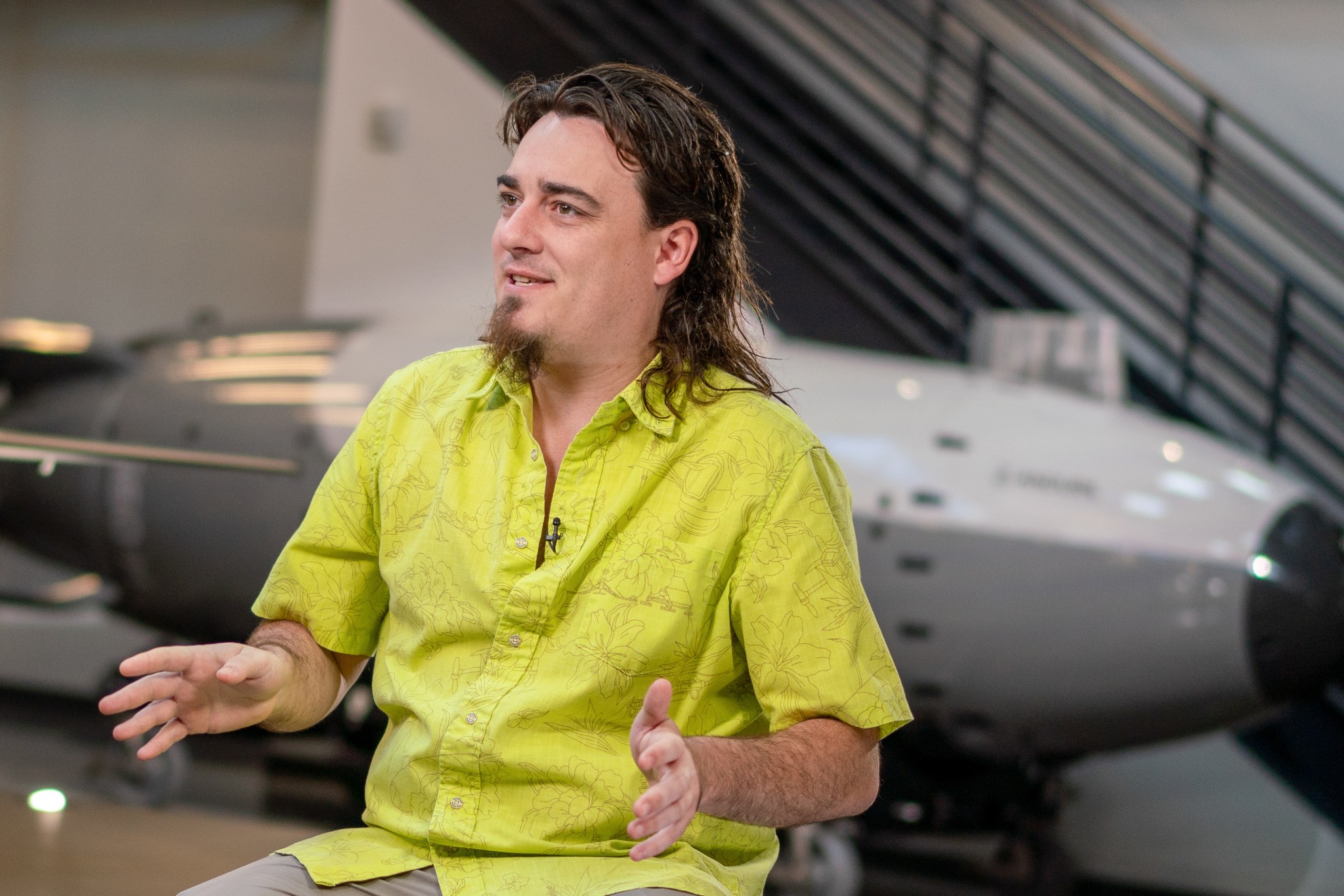
Anduril was started in 2017 by Palmer Luckey, who previously founded the virtual reality company Oculus. From the beginning, Anduril focused on building software-first defense tools, such as autonomous border surveillance towers and small drones that can knock other drones out of the sky. This $20 billion deal follows a similar, though smaller, $10 billion agreement the Army signed with Palantir in 2025. These deals show a pattern: the military is moving away from "bespoke" research and toward repeatable, scalable technology platforms that can be updated with software as easily as a smartphone.
Real Example or Practical Case
To understand the scale of this shift, consider the "counter-drone" mission. In the past, the Army might have bought a few dozen specialized sensors from one company and a few dozen interceptor drones from another. Under this new enterprise deal, the Army can treat Anduril’s entire "stack"—the sensors, the AI software that identifies threats, and the drones that stop them—as a single, integrated system. This allows a commander in the field to deploy a complete defense network quickly, rather than trying to make different pieces of tech from different companies work together on the fly.
Who Is Affected
Traditional defense contractors are the most affected by this shift. Companies like Lockheed Martin and Northrop Grumman have long dominated the Pentagon's budget. Now, they face direct competition from faster-moving tech companies that prioritize software. Investors are also watching closely. Anduril is reportedly seeking a valuation of over $60 billion. This contract provides the steady, long-term revenue that venture capitalists look for before a company goes public. Finally, soldiers in the field are affected, as they will likely see more autonomous and AI-driven tools in their daily operations.
Public or Industry Reaction
Industry analysts view this as a "meaningful signal" that the military is ready to back companies that can actually build and sustain systems, not just show off prototypes. Steven Simoni, cofounder of Allen Control Systems, noted that the defense system is finally rewarding companies that can deliver real hardware to the field. However, some experts warn that the military's relationship with Silicon Valley remains complicated. For example, the Pentagon has recently clashed with other AI firms like Anthropic over how military forces are allowed to use general-purpose AI models.
Risks, Limits, or What to Watch
The biggest risk lies in the "fixed-price" nature of the deal. While it protects the taxpayer from price hikes, it puts immense pressure on Anduril. History is full of examples where fixed-price deals hurt companies. Boeing, for instance, lost over $7 billion on its KC-46 tanker project because of technical problems and rising costs that it had to pay for itself. If Anduril hits a major technical snag or a supply chain crisis, the financial burden could be heavy. There is also the risk that the Army is not forced to spend the full $20 billion; that number is a "ceiling," not a guaranteed payment.
What This Means Going Forward
Expect to see more "enterprise" deals for software-defined hardware. The Pentagon is clearly moving toward a model where it buys "capabilities" rather than just individual pieces of equipment. This will likely encourage more tech startups to enter the defense space, knowing there is a path to large, stable contracts. In the coming years, the success or failure of this Anduril deal will determine if the military continues to trust Silicon Valley with its most expensive and vital missions.
Final Take
The era of the "defense startup" as a small-time player is over; the Pentagon has officially invited Silicon Valley to lead from the front, but the financial risks of playing in the big leagues are now the startup's to carry.
Frequently Asked Questions
What is a firm-fixed-price contract?
It is an agreement where the price is set at the start. The company must cover any extra costs if the project becomes more expensive than planned, but they keep the extra money if they finish under budget.
Why did the Army consolidate 130 orders?
Consolidating orders into one enterprise contract reduces paperwork and allows the Army to buy and deploy new technology much faster than managing 130 separate agreements.
What kind of technology does Anduril provide?
Anduril specializes in autonomous systems, including drones that can intercept other drones, AI software for monitoring borders, and systems that help commanders track and direct their forces.