
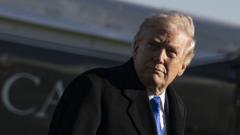
President Donald Trump is using a mix of strict demands and personal diplomacy to seek a new security deal with Iran. This strategy includes unconventional events like a visit to Graceland to manage international relations while the nation remains on a war footing.
Trump combines strict demands with personal social visits to reach Iran
President Donald Trump is currently pursuing a diplomatic agreement with the Iranian government. This effort involves a strategy of "ultimatums" mixed with "diplomacy and diversions." The president is balancing these high-stakes negotiations with activities that appear disconnected from traditional statecraft.
One specific event included a trip to Graceland, the former home of Elvis Presley in Memphis, Tennessee. Observers have described these activities as a "swing toward the surreal." This means the president is using non-traditional social settings to conduct or frame his international political goals.
The use of ultimatums suggests that the United States is setting firm conditions that Iran must meet to avoid further conflict. By combining these threats with personal diplomacy, the administration is attempting to create a new path for communication. This approach moves away from standard bureaucratic meetings toward a more personal style of leadership.
The shift from military tension to unconventional statecraft
The United States has faced long-standing tensions with Iran regarding nuclear development and regional influence. Previous actions included the withdrawal from the 2015 nuclear pact and the return of economic sanctions. These events created a "nation at war" atmosphere where military options were frequently discussed.
The current move toward diplomacy represents a change in how the White House handles these tensions. In the past, diplomatic efforts usually happened in formal settings like Geneva or New York. Using a trip to Graceland as part of a diplomatic backdrop is a historical departure from how presidents usually engage with foreign adversaries.
This method mirrors other instances where President Trump used personal rapport to address complex foreign policy issues. By moving the conversation away from formal offices, the administration seeks to change the tone of the negotiations. This context is necessary to understand why the current activities seem unusual to traditional diplomats.
How this diplomatic strategy affects global security and regional allies
The outcome of these negotiations directly affects military personnel stationed in the Middle East. If the "ultimatums" lead to a successful deal, the risk of direct armed conflict decreases. However, if the diplomacy fails, the "war" footing mentioned by observers could lead to active combat.
Regional allies, including Israel and Saudi Arabia, are closely watching these developments. These nations have a direct interest in any deal that limits Iran's military capabilities. A change in US-Iran relations would shift the balance of power across the entire region.
Global energy markets also react to these diplomatic signals. Iran is a major oil producer, and any deal that lifts sanctions or changes its trade status would affect world fuel prices. This means the "surreal" diplomacy in Tennessee has real financial consequences for drivers and businesses worldwide.
The move toward personal diplomacy over traditional channels
The current strategy changes how the US government communicates its foreign policy goals. Instead of relying solely on the State Department, the president is taking a direct role in shaping the narrative. This shift has several immediate effects on the ground:
- Diplomatic messages are delivered through public events and social visits rather than private cables.
- The focus shifts from technical policy details to the personal relationship between leaders.
- Public attention is directed toward "diversions" like the Graceland trip, which can mask the intensity of the underlying ultimatums.
This change means that traditional diplomats have less control over the timing and tone of the negotiations. It also means that the Iranian government must interpret a mix of public spectacle and private demands. This creates a more unpredictable environment for international relations.
Uncertainty surrounding the success of unconventional demands
There are several risks associated with using "surreal" diversions during a period of potential war. One concern is that the Iranian leadership may not take the ultimatums seriously if they are paired with social visits. This could lead to a misunderstanding of US intentions and increase the chance of accidental conflict.
Another risk involves the lack of specific details currently available to the public. The exact terms of the "deal" President Trump eyes are not yet confirmed. Without clear benchmarks, it is difficult for observers to measure whether the diplomacy is working or if the situation is deteriorating.
The "nation at war" status also means that any mistake in diplomacy could have immediate military consequences. If the ultimatums are too harsh, Iran might walk away from the table entirely. If the diplomacy is too soft, domestic critics may argue that the administration is not protecting national interests.
Confirmed steps in the ongoing negotiation process
The administration is expected to continue using a mix of public appearances and private messages to reach a deal. President Trump has not yet announced a formal date for a meeting with Iranian officials. However, the use of "diversions" suggests that more unconventional events may be planned in the coming weeks.
The Iranian government has not yet issued a formal response to the latest round of ultimatums. Officials in Washington are monitoring Iranian military movements and diplomatic signals for any sign of a breakthrough. The next confirmed step involves the assessment of how these "surreal" tactics have influenced the Iranian leadership's willingness to talk.
Key Numbers and Facts
The confirmed figures behind this story at a glance.
Key Fact Detail Main person or organisation Donald Trump, US President Main action or decision Seeking a new deal with Iran Date or period Current / Recent Location Washington D.C. and Graceland, Memphis Amount, figure, or scale Not specified Previous status High military tension / "Nation at war" Current status Mix of ultimatums and diplomacy Primary effect Shift toward unconventional statecraft Next confirmed step Pending Iranian response
The contrast between military readiness and cultural diversions
The use of a cultural landmark like Graceland as a backdrop for international crisis management shows a unique approach to power. By blending the "surreal" with the serious, the administration is attempting to break a long-standing diplomatic deadlock. This method relies on the idea that personal interaction can succeed where formal treaties have failed.
The success of this strategy depends on whether the Iranian government views the "diversions" as a sign of strength or a lack of focus. While the nation remains prepared for conflict, the president is betting that a mix of firm demands and social engagement will produce a result. This creates a presidency that operates simultaneously as a military command and a public spectacle.
Frequently Asked Questions
Why did President Trump visit Graceland during Iran negotiations?
The visit is part of a strategy described as "diplomacy and diversions." It serves as a non-traditional setting for statecraft that moves away from formal office environments. This approach aims to use personal rapport and public interest to influence the tone of international talks.
What are the ultimatums being sent to Iran?
The ultimatums are firm demands set by the US government that Iran must follow to reach a new deal. While the specific list of demands has not been fully released, they generally involve nuclear limits and security conditions. These demands are intended to show that the US will not accept the current status quo.
Is the United States currently at war with Iran?
The nation is described as being on a "war footing," but there is no formal declaration of war. This term refers to high military readiness and the presence of US forces in the region to respond to threats. The current diplomatic push is an attempt to resolve these tensions without moving into active combat.