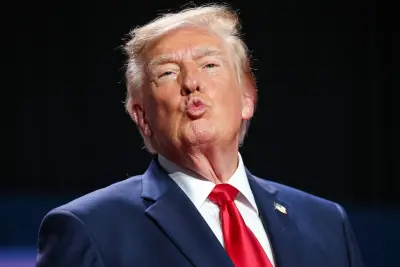
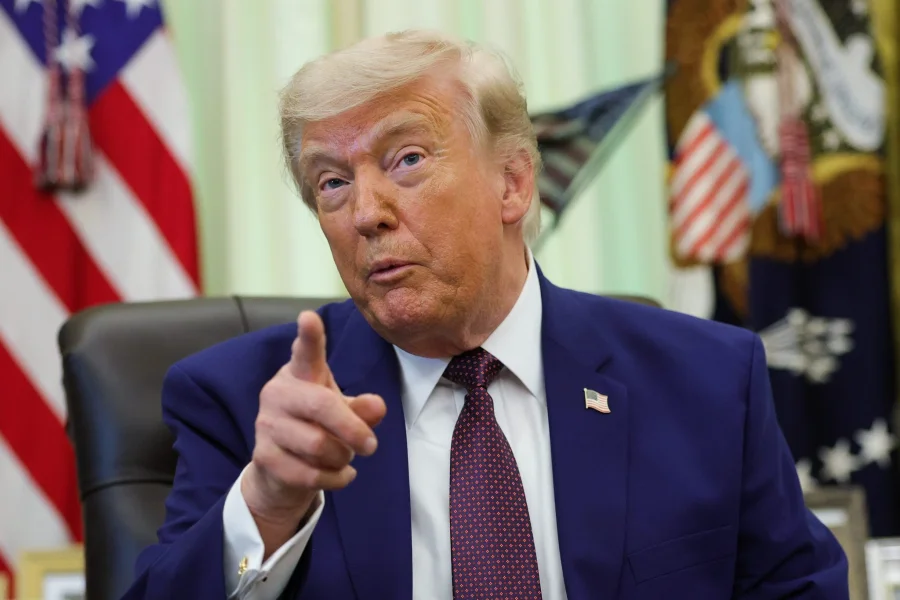
In a dramatic shift that could reshape global energy markets, President Donald Trump confirmed late Thursday that a deal has been reached with Iran, ordering an immediate end to the U.S. naval blockade of Iranian ports in the Strait of Hormuz. "Congratulations to all!" Trump wrote on social media, adding, "Ships of the World, start your engines."
What the deal means for the Strait of Hormuz
The announcement signals the reopening of the Strait of Hormuz, a narrow waterway that handles about 20% of the world's oil supply. The strait had been effectively closed for more than three months since the outbreak of war between the U.S. and Iran, crippling global shipping and sending oil prices soaring.
Why this matters for global oil prices and shipping
For months, tankers have been stranded, insurance premiums skyrocketed, and nations dependent on Gulf oil faced supply disruptions. The reopening of the strait is expected to immediately ease supply bottlenecks, lower shipping costs, and bring down fuel prices for consumers worldwide. Analysts say the psychological impact on markets could be as significant as the physical reopening.
How the deal came together: timeline of the war and negotiations
The conflict began over three months ago, triggered by escalating tensions over Iran's nuclear program and U.S. sanctions. The U.S. imposed a naval blockade on Iranian ports, effectively shutting the Strait of Hormuz. Pakistan, acting as a mediator, confirmed the breakthrough. "The United States and Iran have reached an agreement to end the war and open the Strait of Hormuz," a Pakistani official said, offering relief to the global economy.
Who benefits most from the reopening
Oil-importing nations like India, Japan, and South Korea — heavily reliant on Gulf crude — stand to gain the most. Shipping companies, global trade logistics, and consumers facing high fuel prices will also feel immediate relief. For Iran, the deal offers a chance to rebuild its battered economy through resumed oil sales.
Official responses: Trump, Iran, and Pakistan
Trump's social media post was brief but celebratory. "Congratulations to all!" he wrote, confirming the end of the naval blockade. Iran has not yet issued a formal statement, but Pakistani officials confirmed the agreement. The U.S. previously said it would ease its blockade of Iranian ports as the strait reopens and would agree to relax sanctions to allow Iran to sell more of its oil.
What the deal actually says — and what remains unclear
Full details of the agreement were not immediately available. The signing is scheduled for Friday in Switzerland. It is not clear how quickly the strait might fully reopen to all traffic, or what specific concessions Iran made in return. The U.S. has not detailed the scope of sanctions relief or the timeline for lifting the blockade.
Confirmed facts vs what remains unclear
Confirmed: Trump confirmed a deal and ordered an end to the naval blockade. Pakistan confirmed the agreement. A signing ceremony is set for Friday in Switzerland. The U.S. will ease sanctions to allow Iran to sell more oil.
Unclear: The full text of the deal. The exact timeline for reopening the strait. Iran's formal response. Whether the deal addresses Iran's nuclear program or other longstanding disputes.
Risks and balanced view: skepticism and unanswered questions
Not everyone is celebrating. Critics warn that the deal may be fragile, with both sides deeply distrustful. Previous agreements between the U.S. and Iran have collapsed. Questions remain about verification mechanisms, the scope of sanctions relief, and whether hardliners in either country will accept the terms. Some analysts caution that the reopening could be delayed by logistical or political hurdles.
Wider trend: the geopolitics of energy chokepoints
The crisis underscored how vulnerable global energy markets are to disruptions at strategic chokepoints like the Strait of Hormuz. The deal, if implemented, could set a precedent for resolving future conflicts through negotiation rather than blockade. It also highlights the growing role of mediators like Pakistan in regional diplomacy.
What this means for Indian consumers and businesses
India, which imports over 80% of its crude oil, is one of the biggest beneficiaries. Lower oil prices could ease inflation, reduce fuel costs for households, and improve the fiscal health of the government. Indian shipping companies that had rerouted vessels can now resume normal operations through the strait.
What happens next: the signing and beyond
The formal signing in Switzerland on Friday will be closely watched. If implemented smoothly, the strait could reopen within days or weeks. The U.S. will begin easing its naval presence, and Iranian oil tankers may soon resume exports. The long-term stability of the deal, however, remains uncertain.
Our Take
This is a genuinely significant development — not just for the U.S. and Iran, but for the entire global economy. The reopening of the Strait of Hormuz removes a major source of uncertainty that has weighed on markets for months. But the devil is in the details. Without a clear framework for verification and enforcement, this deal could prove as fragile as previous ones. For now, the world can breathe a cautious sigh of relief — but the real test begins after the signing.
Frequently Asked Questions
Has the US and Iran reached a peace deal?
Yes, President Trump confirmed a deal has been reached with Iran and ordered an end to the U.S. naval blockade in the Strait of Hormuz. Pakistan also confirmed the agreement.
When will the Strait of Hormuz reopen?
A formal signing is scheduled for Friday in Switzerland. It is not yet clear how quickly the strait will fully reopen to all traffic, but the process is expected to begin soon after the signing.
What does this mean for oil prices?
The reopening of the strait is expected to ease supply fears and lower oil prices, as the waterway handles about 20% of global oil supply. Consumers may see lower fuel prices in the coming weeks.
Why did Pakistan mediate the deal?
Pakistan has historically played a mediating role between the U.S. and Iran. Pakistani officials confirmed the agreement and announced the reopening of the Strait of Hormuz, offering relief to the global economy.