
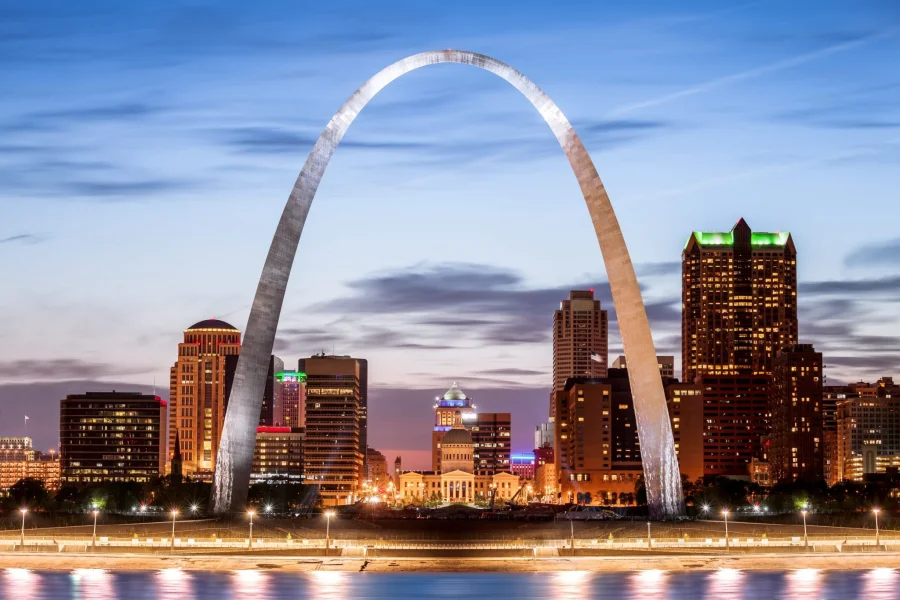
The Gateway Arch has always symbolized St. Louis as a gateway to the West. Now, the city is positioning itself as a gateway to something else entirely — the artificial intelligence economy. With a staggering $25 billion commitment to data center development, St. Louis is making a clear statement: it intends to be a serious player in the digital future, not a spectator.
A New Infrastructure Race Reshapes American Cities
America has been here before, though the stakes look different. In the 19th century, railroads determined which cities prospered and which faded into obscurity. In the 20th century, airports and interstate highways redrew the economic map. Today, the defining infrastructure of the 21st century is digital — and data centers are its railroads.
Communities across the country are now facing a pivotal choice: compete for the industries powering tomorrow's economy, or hesitate and risk being left behind. The St. Louis region has made its decision clear — it is choosing to compete, and compete aggressively.
Why St. Louis Is Choosing Speed Over Caution
Not every city is moving at the same pace. Minneapolis and New York, for example, are tapping the brakes, giving officials time to craft regulations and processes for managing fast-moving data center projects. St. Louis is taking a different approach — one rooted in urgency.
Regional leaders argue this is not recklessness but calculated momentum. The message is that waiting for perfect regulation could mean missing the window of opportunity entirely. In the AI economy, being early can matter as much as being thorough.
From Railroads to Server Farms: A Century of Transformation
The historical parallel is striking. Railroads didn't just move goods — they created entire economies around the cities they connected. Airports didn't just enable travel — they made certain regions hubs for commerce and talent.
Data centers are following the same playbook. They bring high-value investment, skilled jobs, and a foundation for tech ecosystems to grow. For St. Louis, this $25 billion bet is about more than concrete and servers — it's about rewriting the region's economic identity for the next generation.
What This Means for Workers and Families in the Region
For residents, the implications are tangible. Data center construction creates thousands of jobs — electricians, engineers, construction workers, and technicians. Once operational, these facilities require ongoing staffing and maintenance, creating a steady base of employment.
Beyond direct jobs, the presence of major digital infrastructure often attracts other tech investment. Startups, cloud service providers, and AI-focused companies tend to cluster near robust data capabilities. For St. Louis families, this could mean new career pathways that didn't exist a decade ago.
Regional Leaders Defend the Approach
Officials in the St. Louis region have been direct about their philosophy. They describe the approach as one of accountability — moving forward with eyes open, not ignoring concerns but refusing to let caution become paralysis.
This framing is deliberate. It acknowledges the tension between speed and oversight while making a case that the region can walk and chew gum at the same time. The bet is that thoughtful urgency beats cautious delay in a fast-moving technological landscape.
Reading Between the Lines of the $25 Billion Commitment
The scale of this investment deserves attention. Twenty-five billion dollars is not a pilot program or a symbolic gesture — it is a declaration of intent. It signals that St. Louis sees itself not as a secondary market but as a contender on the national stage.
Analysts would note that this kind of investment creates a virtuous cycle. Infrastructure attracts companies. Companies attract talent. Talent attracts more investment. The question is whether St. Louis can execute on this vision while managing the challenges that come with rapid growth.
Confirmed Facts vs What Remains Unclear
What is confirmed: St. Louis is pursuing a $25 billion data center investment strategy. The region is explicitly framing this as a competitive move in the AI economy. Some other cities are choosing a slower, more regulatory-first approach.
What remains unclear: the specific timeline for construction, the identity of anchor tenants or investors, and how community concerns about energy use, water consumption, and environmental impact will be addressed. These details will shape whether this bet pays off.
Why St. Louis Has a Real Shot at Becoming a Tech Hub
St. Louis brings genuine advantages to this race. Its central location in the country makes it strategically valuable for data transmission. The region has a strong existing workforce in logistics and manufacturing that can transition to tech roles. And compared to coastal markets, the cost of land and energy is significantly more attractive.
This combination — location, workforce, and cost — gives St. Louis a credible moat. It's not just about wanting to compete; it's about having the fundamentals to actually win.
The Risks Behind the Ambition
No major infrastructure bet comes without risks. Data centers are energy-intensive, and communities across the country have raised legitimate concerns about grid strain and environmental impact. Water usage for cooling is another flashpoint.
There is also the question of whether the jobs created will match the scale of the investment. Data centers, once built, employ fewer people than traditional manufacturing plants. The economic payoff is real but may be slower to materialize than some residents hope.
A Pattern Emerging Across the Midwest
St. Louis is not alone in this thinking. Across the Midwest, cities are recognizing that digital infrastructure is the new economic development tool. The region that wins the data center race positions itself as the backbone of the AI economy.
This is a shift from the old playbook of tax incentives for factories. The new playbook is about building the digital foundation that every industry — from healthcare to finance to agriculture — will depend on in the coming decades.
What Residents and Businesses Should Watch For
For those in the St. Louis region, the coming months will be telling. Watch for announcements about specific projects, anchor tenants, and community benefit agreements. Pay attention to how local governments handle zoning, energy, and environmental reviews.
For businesses, this is a signal that St. Louis is open for digital-age investment. Companies evaluating locations for data-heavy operations should put the region on their shortlist.
What Happens Next in the AI Infrastructure Race
The next phase will be defined by execution. Can St. Louis move from announcement to shovels in the ground? Can it balance speed with community accountability? Can it attract the ecosystem of companies that will make this investment truly transformative?
The answers will unfold over the next several years. What is clear today is that St. Louis has chosen its path — and it is a path pointed firmly toward the future.
Our Take
This story matters beyond St. Louis. It represents a fundamental shift in how American cities measure their economic future. The infrastructure that defined prosperity in the past — railroads, highways, airports — is giving way to something new: the digital backbone of the AI economy.
St. Louis's decision to compete now, while others pause, is a calculated gamble. It reflects a belief that in a fast-moving technological era, the cost of waiting can exceed the cost of acting. Whether this bet pays off will depend on execution, community trust, and the region's ability to turn infrastructure into ecosystem.
For now, the message is clear: St. Louis is serious about the AI economy, and it's putting $25 billion behind that seriousness.
Frequently Asked Questions
What is the $25 billion data center investment in St. Louis?
The St. Louis region is committing $25 billion to data center development as part of a strategy to compete in the AI economy. This investment is designed to build the digital infrastructure needed to attract tech companies and position the region as a major player in artificial intelligence.
Why is St. Louis investing in data centers now?
Regional leaders believe that waiting for perfect regulations could mean missing the opportunity window. While some cities are pausing to develop rules, St. Louis is choosing to move quickly, arguing that being early in the AI infrastructure race provides a competitive advantage.
How will data centers affect jobs in St. Louis?
Data center construction creates thousands of jobs in fields like construction, electrical work, and engineering. Once operational, these facilities require ongoing technical staff. The broader hope is that this infrastructure attracts other tech companies, creating additional career opportunities over time.
What are the concerns about data center development?
Key concerns include high energy consumption, water usage for cooling, and environmental impact. Some communities also question whether the number of permanent jobs will match the scale of the investment. These are legitimate issues that regional leaders will need to address as projects move forward.