

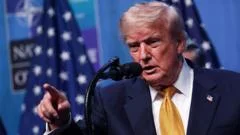
The world's most critical oil chokepoint just became a flashpoint again. US President Donald Trump has reinstated a blockade on Iranian ports and announced a 20% charge on all cargo shipped through the Strait of Hormuz, a move that threatens to upend global energy markets and shipping routes.
What the new policy means for global trade
The Strait of Hormuz, a narrow waterway between Iran and Oman, handles about 20% of the world's oil supply. Trump's 20% charge on cargo passing through this route effectively imposes a tax on every barrel of oil, liquefied natural gas, and container goods that transit the strait. For shipping companies and oil traders, this could mean significantly higher costs passed on to consumers worldwide.
Why this escalation matters now
This is not a symbolic gesture. By reinstating the port blockade and adding a transit charge, Trump is tightening economic pressure on Iran while simultaneously targeting global trade that relies on the strait. The move comes amid heightened tensions between Washington and Tehran, with no clear diplomatic off-ramp. For Indian consumers, who rely heavily on Gulf oil, this could mean higher petrol and diesel prices in the coming months.
How the situation developed
Trump's latest action follows a pattern of maximum pressure campaigns against Iran during his presidency. The port blockade was originally imposed during his first term but was partially relaxed under the Biden administration. Now, with Trump back in office, the policy has been revived with an additional financial penalty on Hormuz transit. The exact legal mechanism for imposing the 20% charge remains unclear, but it is expected to involve US naval enforcement and sanctions on non-compliant vessels.
Who is affected and why it matters to real people
For ordinary citizens, the immediate impact will likely be felt at the fuel pump. India, Japan, South Korea, and China are among the largest importers of oil from the Gulf region. A 20% surcharge on Hormuz cargo could push up crude prices, leading to higher costs for transportation, manufacturing, and household essentials. Shipping companies may reroute vessels around Africa's Cape of Good Hope, adding weeks to delivery times and increasing freight costs further.
Official response and expert views
The White House has not yet provided a detailed explanation of how the charge will be enforced. Iranian officials have condemned the move, calling it "economic warfare" and threatening to close the strait in retaliation. Shipping industry experts warn that the policy could violate international maritime law, which guarantees freedom of navigation through straits used for international shipping. Legal challenges from affected nations are expected.
Deeper analysis: what this means beyond the headlines
This policy is not just about Iran. It signals a broader US strategy to control global energy chokepoints and pressure adversaries through economic means. By taxing Hormuz transit, Washington is effectively weaponizing a critical trade route. The move could also strain relations with allies like Japan and South Korea, which depend on the strait for energy security. For global markets, the uncertainty alone could drive up oil prices, even before the charge is implemented.
Confirmed facts vs what remains unclear
What is confirmed: Trump has announced the reinstatement of the Iran port blockade and a 20% charge on Hormuz cargo. What remains unclear: the legal basis for the charge, the enforcement mechanism, the timeline for implementation, and whether exemptions will be granted for humanitarian goods or allied nations. Speculation: Iran may retaliate by disrupting shipping or mining the strait, but this has not been confirmed.
Risks and balanced view
Supporters of the policy argue it is necessary to cripple Iran's economy and prevent it from developing nuclear weapons or supporting proxy groups. Critics warn it could backfire by alienating allies, spiking global oil prices, and provoking a military confrontation in the strait. There is also the risk of a humanitarian crisis if food and medicine shipments are disrupted. The policy's effectiveness will depend on enforcement and international cooperation.
Wider trend: the weaponization of trade routes
Trump's move fits a broader pattern of using strategic chokepoints as leverage in geopolitical disputes. From the Suez Canal to the South China Sea, nations are increasingly using control over shipping lanes to exert pressure. The Hormuz charge could set a precedent for other straits, potentially fragmenting global trade into rival blocs.
Practical guidance for readers
For Indian consumers, monitor fuel prices and consider locking in fixed-rate energy plans if available. For businesses reliant on Gulf imports, explore alternative suppliers from Africa or the Americas. For investors, energy stocks and shipping companies may see volatility. Stay updated on official announcements from the Indian government regarding potential diplomatic responses or strategic oil reserve releases.
Future outlook
The coming weeks will be critical. If the charge is enforced, expect legal challenges at the International Court of Justice and potential retaliation from Iran. Diplomatic efforts by Gulf states and Asian importers may seek to negotiate exemptions or alternative routes. A prolonged standoff could reshape global energy trade patterns, with long-term implications for oil prices and shipping logistics.
Our Take
This is a high-stakes gamble by Trump that could either cripple Iran's economy or destabilize global energy markets. While the intent is clear — to maximize pressure on Tehran — the execution risks collateral damage to allies and consumers. The lack of clarity on enforcement and legal basis raises questions about feasibility. For now, the world watches as the Strait of Hormuz becomes the center of a new economic confrontation.
Frequently Asked Questions
What is the Strait of Hormuz and why is it important?
The Strait of Hormuz is a narrow waterway between Iran and Oman that connects the Persian Gulf to the Arabian Sea. About 20% of the world's oil and a significant portion of LNG passes through it, making it a critical chokepoint for global energy trade.
How will the 20% charge on Hormuz cargo be enforced?
The enforcement mechanism is not yet clear. It may involve US Navy inspections, sanctions on shipping companies, or port restrictions. Legal experts question whether the US has the authority to impose such a charge under international maritime law.
What does this mean for oil prices in India?
If implemented, the charge could raise crude oil prices, leading to higher petrol, diesel, and aviation fuel costs in India. The impact will depend on how quickly alternative routes or suppliers are secured.
Could Iran retaliate by closing the strait?
Iran has threatened to close the strait in the past, but doing so would risk a military confrontation with the US Navy. Retaliation is possible but uncertain, and any disruption would further spike global oil prices.