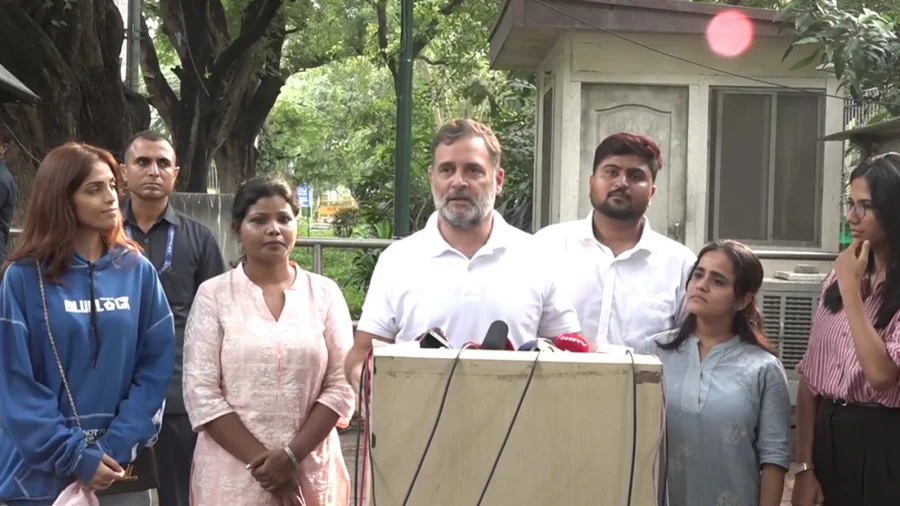
The political temperature around student protests just went up a notch. Congress leader Rahul Gandhi has publicly thrown his weight behind student demonstrators, declaring they "don't need to apologise to anyone." The statement cuts through the usual political hedging — it's direct, unambiguous, and clearly designed to rally support.
What Rahul Gandhi Said About Student Protesters
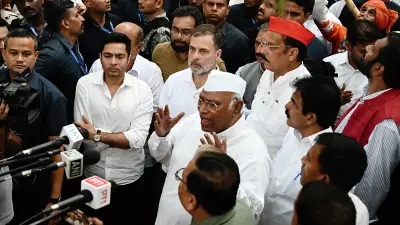
Speaking in support of the protesting students, Rahul Gandhi asserted that the demonstrators have no reason to apologise. His words — "They don't need to apologise to anyone" — signal a firm endorsement of the student movement and its demands.
The remark is being read as a direct counter to any narrative that paints the protesters as trouble-makers requiring an apology for their actions.
Why This Statement Carries Political Weight
This isn't just a throwaway line. When a senior opposition leader steps out to back student protesters, it shifts the political framing entirely. The Congress party, under Gandhi's leadership, has consistently tried to position itself as the voice of dissent and democratic expression.
By aligning with the students, Gandhi is tapping into a broader sentiment — that young people have the right to protest without being forced into submission or regret.
The Backdrop: Campus Protests and Rising Pressure
Student protests across India have been a recurring flashpoint in recent times. From fee hikes to administrative decisions, campuses have become arenas of political expression. In several instances, protesters have faced demands for apologies or disciplinary action, which has only intensified the standoff.
Gandhi's intervention comes at a moment when the student community is looking for political backing, and his words could energise the movement further.
What This Means for Students on the Ground
For the students themselves, having a national political figure validate their cause is significant. It lends legitimacy to their protests and provides moral support that can sustain momentum. It also signals that their voices are being heard beyond the campus gates.
However, it also means the protests are now more deeply entangled in party politics, which could invite sharper counter-attacks from ruling dispensation supporters.
Political Reactions and the Road Ahead
As expected, the statement has drawn sharp reactions. Supporters of the Congress see it as a principled stand for democratic rights. Critics, on the other hand, are likely to frame it as political opportunism — an attempt to weaponise student unrest for electoral gain.
No official response has come from the ruling party or government authorities yet, but the political battlefield is clearly being drawn.
Reading Between the Lines: Gandhi's Strategy
This move fits a larger pattern. Rahul Gandhi has been repositioning the Congress as a party that stands with the marginalised and the vocal dissenters. By backing student protesters, he is reinforcing that image — appealing to young voters who form a crucial demographic in Indian elections.
The message is simple: the Congress is on the side of the youth, even when it costs political capital.
Confirmed Facts vs What Remains Unclear
Confirmed: Rahul Gandhi made a public statement supporting student protesters and said they don't need to apologise to anyone. Unclear: The specific protest or incident that prompted this statement has not been officially detailed in available sources. The full context of his remarks and any planned follow-up actions remain unspecified.
The Larger Pattern: Opposition and Student Movements
Student protests have historically been a rallying point for opposition politics in India. From the anti-corruption movement to anti-CAA demonstrations, campuses have often served as launchpads for larger political narratives. Gandhi's support fits into this tradition of opposition leaders amplifying student voices.
It also reflects a generational shift — where young Indians are increasingly willing to challenge authority, and political leaders are eager to ride that wave.
What Should Students and Observers Watch For
For students involved in protests, this statement offers a morale boost but also a caution — increased political attention can bring increased scrutiny. For observers, the key is to watch how the ruling party responds and whether this becomes a sustained political campaign or a one-off statement.
For now, the ball is in the court of both the protesters and their political opponents.
Where This Could Go Next
The immediate future depends on two factors: how the protesting students respond to this political backing, and whether the government escalates its counter-narrative. If Gandhi follows up with more public appearances or statements, this could evolve into a larger political confrontation.
If the students accept the support without deepening political alignment, the movement could retain its independent character. Either way, the statement has already changed the conversation.
Our Take
Rahul Gandhi's statement is a calculated yet principled intervention. It reinforces the Congress's identity as a party that supports democratic dissent, while also appealing to the youth vote. But it also risks polarising the protest movement, turning a student issue into a political battleground.
The real test will be whether this support translates into meaningful change for the students — or remains just another political statement in a long election season.
Frequently Asked Questions
What did Rahul Gandhi say about student protesters?
Rahul Gandhi said that student protesters "don't need to apologise to anyone," expressing his support for their demonstrations and rejecting any demand for an apology from the protesters.
Why is Rahul Gandhi supporting student protesters?
Gandhi's support aligns with the Congress party's positioning as a defender of democratic rights and dissent. It also appeals to young voters, a key demographic in Indian politics.
Has there been any official reaction to Gandhi's statement?
As of now, no official response from ruling party leaders or government authorities has been reported in available sources.
What does this mean for the student protest movement?
The statement lends political legitimacy and visibility to the protests, but it also brings increased political scrutiny and potential polarisation to the movement.