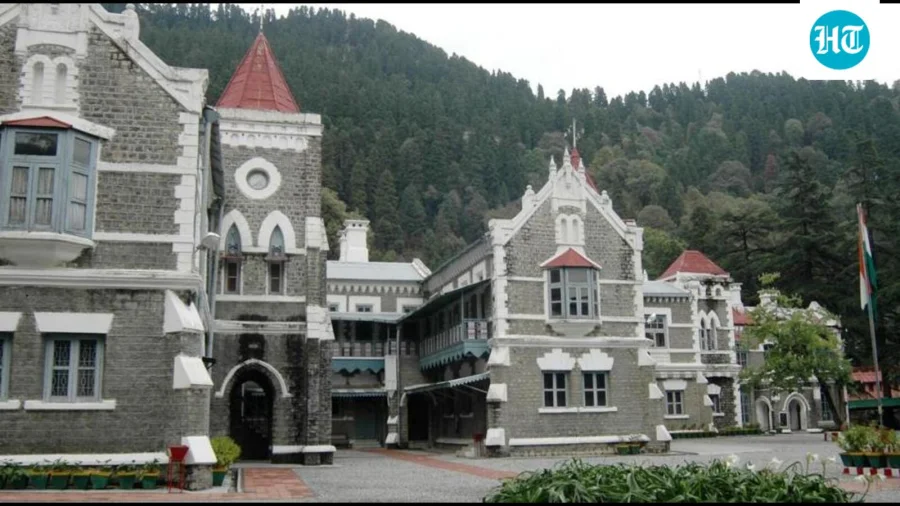
For months, residents of Nainital have lived with an unsettling mystery: stones hurled from nowhere, striking homes and vehicles, with no clear perpetrator in sight. Now, the local police are turning to technology for answers. Superintendent Jagdish Chand has directed the installation of thermal cameras and additional lighting across affected areas, ordering the measures to be implemented at the earliest.
What the police order means for Nainital
The directive from SP Jagdish Chand marks a significant step in addressing the stone-throwing incidents that have plagued parts of the hill town. Thermal cameras, which detect heat signatures, can identify individuals even in darkness or hiding spots, while enhanced lighting aims to reduce cover for potential offenders. Police sources indicate the equipment will be placed in strategic locations where incidents have been reported.
Why this mystery has unsettled a hill town
Nainital, a popular tourist destination and residential hub, has seen a series of stone-throwing episodes that have left residents feeling vulnerable. The randomness of the attacks—often occurring at night or in secluded areas—has fueled anxiety and speculation. For families living in affected neighborhoods, the fear is not just about property damage but personal safety. The police response, while technical, also signals that authorities are taking the concerns seriously.
Timeline of the stone-throwing incidents
Reports of mysterious stone throwing in Nainital have surfaced intermittently over recent months, with no single suspect or group identified. Incidents have been concentrated in certain residential pockets, leading to complaints from locals. Police have conducted patrols and investigations but have so far not made arrests. The decision to install thermal cameras and lights follows these efforts, representing a shift toward preventive surveillance.
How thermal cameras and lights could help
Thermal imaging technology can detect body heat, making it effective for spotting individuals who may be hiding or moving in low-light conditions. Combined with brighter street lighting, the measures are designed to eliminate dark zones where stone throwers might operate. Experts note that such systems are commonly used in high-crime areas or sensitive locations, but their deployment in a residential context like Nainital is notable for its focus on community safety.
Official response from Nainital Police
SP Jagdish Chand has not publicly detailed the exact locations or timeline for installation, but his directive emphasizes urgency. "The measures should be implemented at the earliest," the order states, according to police sources. The department is expected to coordinate with local municipal authorities for the installation process. No further comments have been issued as the investigation continues.
Analysis: Technology vs. an elusive threat
The move to install thermal cameras and lights reflects a broader trend of Indian police forces adopting tech-driven solutions for persistent local problems. However, the effectiveness of such measures depends on proper placement, maintenance, and integration with ongoing patrols. If the stone throwers are operating from areas beyond camera range or using tactics to avoid detection, the mystery may persist. The police will need to combine surveillance with community tips and traditional investigation.
Confirmed facts vs what remains unclear
What is confirmed: SP Jagdish Chand has ordered the installation of thermal cameras and lights. The order cites the need to address stone-throwing incidents. What remains unclear: The exact number of cameras, their locations, the installation timeline, and whether any suspects have been identified. Police have not disclosed if forensic evidence has been collected from the stones or if there are leads from prior investigations.
Risks and balanced view
While thermal cameras and lights are non-intrusive surveillance tools, some residents may have privacy concerns about constant monitoring in residential areas. Additionally, if the stone throwing is the work of individuals who are not deterred by cameras—such as those acting impulsively or from a distance—the measures may not fully stop the incidents. Critics also point out that without a clear suspect profile, the police are investing in hardware rather than solving the underlying mystery.
Wider pattern: Unexplained local crimes in Indian hill towns
Nainital is not alone in facing mysterious local crimes. Hill towns across Uttarakhand and Himachal Pradesh have occasionally reported unexplained vandalism or petty offenses that challenge local policing. These incidents often gain public attention due to their mysterious nature, but they also highlight gaps in community policing and forensic investigation in smaller towns. The use of thermal cameras here could set a precedent for other areas facing similar challenges.
What residents should do now
Residents in affected areas are advised to report any new stone-throwing incidents immediately to the local police station. They should also note timings, locations, and any suspicious activity. While the new measures are being installed, staying vigilant and cooperating with police patrols can help. Community groups may also consider forming neighborhood watch programs to complement official efforts.
Future outlook
If the thermal cameras and lights are installed quickly and effectively, they could reduce the frequency of stone-throwing incidents within weeks. However, if the mystery persists, police may need to explore other avenues, such as forensic analysis of stones, questioning local residents, or deploying plainclothes officers. The situation remains fluid, and authorities are expected to provide updates as the installation progresses.
Our Take
The decision to install thermal cameras and lights in Nainital is a pragmatic response to a frustrating and fear-inducing problem. It shows that local police are willing to invest in modern tools rather than rely solely on traditional methods. However, technology alone cannot solve a mystery that may involve human behavior, local dynamics, or even pranks. The real test will be whether these measures lead to arrests or simply push the stone throwers to other areas. For now, residents can take some comfort in knowing that their concerns have prompted action—but the mystery is far from over.
Frequently Asked Questions
Why are thermal cameras being installed in Nainital?
Thermal cameras are being installed to detect heat signatures of individuals involved in mysterious stone-throwing incidents that have occurred in residential areas of Nainital. The cameras can identify people even in darkness or hiding spots, helping police prevent further attacks.
Who ordered the installation of thermal cameras and lights?
Nainital Police Superintendent Jagdish Chand issued the directive, ordering that the measures be implemented at the earliest to address the stone-throwing mystery.
When will the thermal cameras and lights be installed?
The exact timeline has not been announced, but the police order emphasizes urgency. Installation is expected to begin soon in strategic locations where stone-throwing incidents have been reported.
Will the thermal cameras invade residents' privacy?
Thermal cameras are designed to detect heat signatures and are generally used for surveillance in public or semi-public areas. While privacy concerns exist, police have not indicated any intention to monitor private spaces. Residents can seek clarification from local authorities if they have specific concerns.