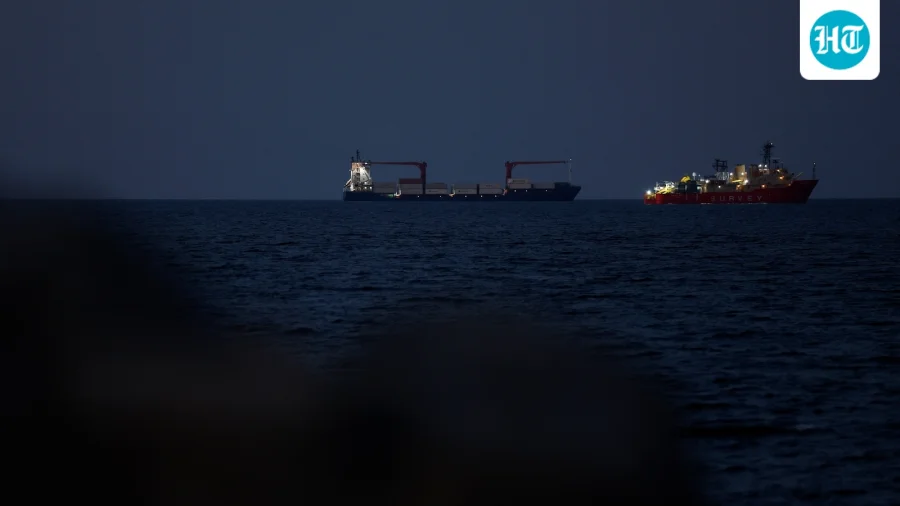
Three ships struck by American military forces off the coast of Oman last week flew the flags of tiny, distant nations—Comoros and Palau. Two of them were already under US sanctions. This is not just a military story. It is a story about how global shipping, sanctions evasion, and flags of convenience have created a shadow economy that now draws direct military response.
What happened off Oman: The strikes and the ships
On [date], US military forces conducted strikes on three vessels near Oman. The ships were identified as part of a network moving goods in violation of international sanctions, primarily targeting oil exports from Iran and Russia. Two of the ships—the NS Champion and the Artemis—were already on the US Office of Foreign Assets Control (OFAC) sanctions list. The third vessel, Sea Eagle, flew a flag of convenience from Palau.
Why flags of convenience matter: The legal loophole
Flags of convenience allow ship owners to register vessels in countries with lax regulations, low taxes, and minimal oversight. Comoros, Palau, and other small nations offer these registries for a fee. For shadow fleets, this is a critical tool: it obscures true ownership, hides insurance details, and makes enforcement nearly impossible. The International Transport Workers' Federation (ITF) has long warned that these flags enable criminal activity, including sanctions evasion and poor working conditions for crews.
The shadow fleet: How sanctions evasion works
The Russian shadow fleet, estimated at hundreds of vessels, emerged after 2022 to evade oil price caps and export bans. These ships often switch flags, change names, and use complex ownership structures. The same tactics are now used by Iranian and other sanctioned entities. The ships struck off Oman were part of this network, moving oil or goods to bypass Western restrictions. The US strikes signal a new phase: direct military action against these vessels, not just diplomatic or economic measures.
Who is affected: Crews, insurers, and global trade
The human cost is real. Crews on shadow fleet vessels often face unsafe conditions, delayed wages, and legal limbo. Insurers are wary of covering such ships, and ports increasingly deny entry. For global trade, the rise of shadow fleets increases shipping costs, disrupts supply chains, and raises the risk of accidents or environmental disasters. The strikes off Oman could deter some operators, but experts warn that the network is resilient.
Official response: US and international reactions
US officials have not detailed the specific intelligence behind the strikes, but the action aligns with broader efforts to tighten sanctions enforcement. The European Union and UK have also targeted shadow fleet vessels with new sanctions. However, flag states like Comoros and Palau have limited capacity to regulate their registries. The ITF and maritime unions have called for stronger international rules to close the flag-of-convenience loophole.
What this means for West Asia: A new front in maritime security
The strikes off Oman mark a significant escalation. West Asia is a critical chokepoint for global oil shipments, and the presence of shadow fleets increases the risk of conflict. Iran has previously used such vessels to move oil to China and other buyers. The US military action could provoke retaliation, including attacks on commercial shipping or further destabilization of the region. Analysts say the strikes are a warning to all operators using flags of convenience to evade sanctions.
Confirmed facts vs what remains unclear
Confirmed: Three ships struck off Oman; two were US-sanctioned; all flew flags of convenience (Comoros, Palau). The US military conducted the strikes. Unclear: The exact cargo of each vessel; whether any crew were harmed; the full list of owners behind the ships; the specific legal justification for military action. Some reports suggest the ships were carrying Iranian oil, but this has not been independently verified.
How shadow fleets exploit flag-of-convenience registries
The key advantage for shadow fleets is anonymity. A ship registered in Comoros can change its name and flag within days, making tracking difficult. The vessels often use shell companies in jurisdictions like the Marshall Islands or Liberia. This system is legal but exploited. The ITF has documented cases where such ships engage in smuggling, human trafficking, and environmental violations. The strikes off Oman show that military force is now being used to disrupt this system.
Risks and balanced view: Are strikes effective?
Critics argue that military strikes are a blunt tool. They risk civilian casualties, escalate tensions, and may not deter shadow fleet operators who are already operating illegally. Some experts say the focus should be on closing regulatory loopholes and strengthening port state controls. Supporters of the strikes say they send a clear signal and disrupt specific shipments. The long-term effectiveness remains uncertain.
Wider trend: The rise of the dark fleet
The shadow fleet is part of a larger phenomenon known as the "dark fleet"—vessels that operate outside normal shipping channels. This includes ships used for sanctions evasion, illegal fishing, and even espionage. A 2026 study by the Stiftung Wissenschaft und Politik (SWP) warned that the Russian shadow fleet poses a security risk to Europe, with links to sabotage and espionage. The strikes off Oman suggest the US is now treating this as a military priority.
What readers should know: Practical guidance
For those following global trade or investing in shipping, this incident highlights the need to verify vessel ownership and flag registries. For policymakers, the focus should be on international cooperation to regulate flag-of-convenience states. For the general public, the story underscores how sanctions evasion affects global security and shipping costs. If you work in maritime logistics, ensure your supply chain partners are not using shadow fleet vessels.
Future outlook: What could happen next
Expect more US and allied military actions against shadow fleet vessels in West Asia and beyond. The EU and UK may expand sanctions targeting flag-of-convenience registries. Flag states like Comoros and Palau could face pressure to tighten oversight. However, the shadow fleet is adaptive—operators may shift to even more obscure registries or use smaller vessels. The long-term solution likely requires a global treaty on maritime transparency.
Our Take
The strikes off Oman are a turning point. They show that economic sanctions alone are insufficient to stop shadow fleets. Military action introduces new risks—escalation, civilian harm, and legal ambiguity—but also signals that the US is willing to use force to protect its sanctions regime. The real story, however, is the systemic failure of flag-of-convenience registries. Until the international community closes this loophole, shadow fleets will continue to operate, and incidents like this will become more common.
Frequently Asked Questions
What is a flag of convenience?
A flag of convenience is when a ship is registered in a country different from its owner's nationality, often to avoid taxes, regulations, or oversight. Countries like Comoros and Palau offer these registries for a fee, making it easy for shadow fleets to hide ownership.
Why did the US strike these ships off Oman?
The US military struck the ships because they were part of a shadow fleet evading sanctions on oil exports from Iran and Russia. Two of the vessels were already on the US sanctions list, and the action was intended to disrupt illegal trade.
What is a shadow fleet?
A shadow fleet is a network of vessels that operate outside normal shipping channels to evade sanctions, often by changing flags, names, and ownership. The Russian shadow fleet is the most well-known, but similar networks exist for Iranian and North Korean trade.
Are flags of convenience illegal?
No, flags of convenience are legal under international maritime law. However, they are often exploited by shadow fleets for illegal activities like sanctions evasion. The International Transport Workers' Federation has called for stricter regulations to prevent abuse.