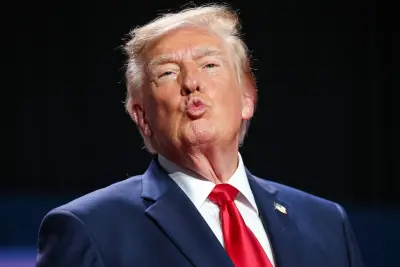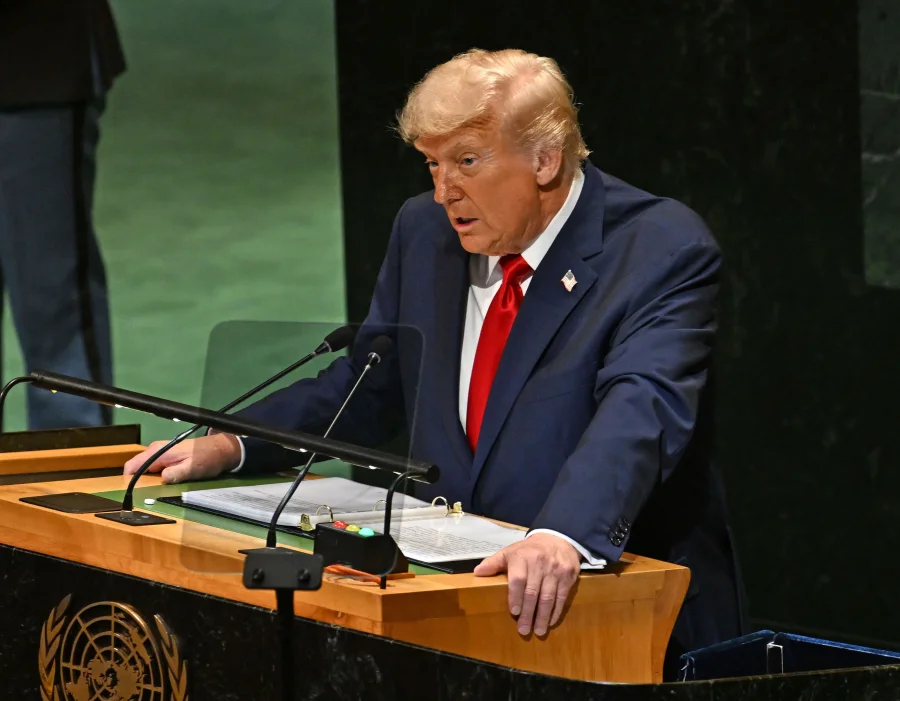
Wall Street is bracing for a blockbuster open. Stock-index futures jumped Sunday after President Donald Trump announced that the United States has reached a peace deal with Iran, a development that sent oil prices tumbling and triggered a broad-based rally in risk assets.
Futures surge across the board
Futures contracts tied to the S&P 500, Nasdaq Composite, and Dow Jones Industrial Average all rose sharply in Sunday trading. The move signals that investors are betting on a sustained reduction in geopolitical risk — one of the biggest overhangs on global markets in recent months. The Dow futures alone were up nearly a full percentage point at one stage, reflecting broad optimism.
Why this deal matters for your portfolio
For Indian and global investors alike, the US-Iran peace deal removes a major source of uncertainty. A de-escalation in the Middle East typically means lower oil prices, which directly benefits import-dependent economies like India. It also reduces the risk of supply chain disruptions and military escalation that have weighed on equity valuations. The immediate market reaction — higher stocks, lower oil — is exactly what analysts had hoped for.
How the peace deal came together
President Trump’s announcement on Sunday followed weeks of indirect and direct negotiations. Secretary of State Marco Rubio had earlier signaled progress, telling reporters there were “good signs” of a possible breakthrough. The deal, whose full terms have not yet been disclosed, is expected to include a cessation of hostilities and a framework for broader diplomatic engagement.
Who benefits from the market rally
The rally is a relief for millions of retail investors and pension funds exposed to US equities. Sectors most sensitive to oil prices — airlines, shipping, and consumer goods — are expected to lead the gains. Indian markets, which often track global sentiment, could also see a positive open. Lower crude prices mean lower input costs for Indian companies and a reduced subsidy burden for the government.
What the White House and State Department are saying
President Trump confirmed the agreement in a statement, calling it a “historic peace deal.” Secretary Rubio’s earlier comments about “good signs” were seen as a deliberate de-risking of market expectations. No further details on the timeline or verification mechanisms have been released, but officials indicated that implementation would begin immediately.
What this rally really means
Beyond the immediate jump in futures, the peace deal signals a potential regime shift in Middle East geopolitics. For markets, the key variable is oil. A sustained peace could keep crude prices lower for longer, easing inflationary pressures globally. That would give central banks more room to cut rates — a scenario that has historically been very bullish for equities.
Confirmed facts vs what remains unclear
What is confirmed: President Trump announced a peace deal with Iran. Futures surged. Oil prices fell. Secretary Rubio had flagged progress. What remains unclear: the exact terms of the deal, the timeline for implementation, and whether Iran will fully comply. Some analysts caution that previous agreements have collapsed. Markets are pricing in optimism, but the details matter.
Why this deal is a game-changer for markets
The US-Iran peace deal removes one of the biggest geopolitical risk premiums embedded in oil and equity prices. For months, investors had been pricing in the possibility of a broader conflict. That premium is now unwinding rapidly. Lower oil prices act like a tax cut for consumers and businesses, boosting spending power and corporate margins.
Risks and a balanced view
Not everyone is celebrating. Some analysts warn that peace deals in the Middle East have historically been fragile. Skeptics point to the lack of verified details and the possibility of spoilers on either side. There is also concern that the market’s reaction may be overdone — a classic “buy the rumor, sell the news” scenario. Investors should remain cautious until the deal’s implementation is confirmed.
A broader shift in global risk appetite
The US-Iran peace deal is part of a wider pattern of de-escalation in global hotspots. Combined with easing inflation and resilient corporate earnings, the deal could mark the beginning of a new risk-on phase in global markets. Emerging markets, including India, stand to benefit disproportionately from lower energy costs and improved investor sentiment.
What investors should do now
For Indian investors with US equity exposure, the immediate reaction is positive. However, experts recommend not chasing the rally. Instead, use the opportunity to review portfolio allocations. Sectors like IT, pharma, and consumer goods may benefit from lower input costs. Energy stocks could face headwinds. Diversification remains key. For those watching from the sidelines, a staggered entry into broad market ETFs may be prudent.
What happens next
The next few days will be critical. Markets will parse the fine print of the peace deal. Oil traders will watch for any signs of non-compliance. Central banks may adjust their policy outlooks if inflation expectations shift. If the deal holds, the current rally could have legs. If it falters, volatility will return quickly.
Our Take
The US-Iran peace deal is a genuinely significant development — not just for markets, but for global stability. The market’s enthusiastic response is understandable, but history teaches us that geopolitical deals are fragile. The real test will come in the weeks ahead, when implementation details emerge. For now, investors can breathe a little easier, but they should keep one eye on the horizon.
Frequently Asked Questions
How did the US-Iran peace deal affect the stock market today?
Stock-index futures for the S&P 500, Nasdaq, and Dow all jumped sharply on Sunday after President Trump announced the deal. Oil prices fell as geopolitical risk premiums unwound.
Why did oil prices fall after the US-Iran peace deal?
Oil prices fell because the deal reduces the risk of supply disruptions from the Middle East. Lower geopolitical tension typically leads to lower crude prices as traders unwind risk premiums.
What does the US-Iran peace deal mean for Indian markets?
Indian markets are likely to benefit from lower oil prices, which reduce import costs and inflation. Improved global risk sentiment could also attract foreign investment into Indian equities.
Is the US-Iran peace deal confirmed?
President Trump confirmed the deal on Sunday. Secretary of State Marco Rubio had earlier signaled progress. However, the full terms and implementation timeline have not yet been disclosed.