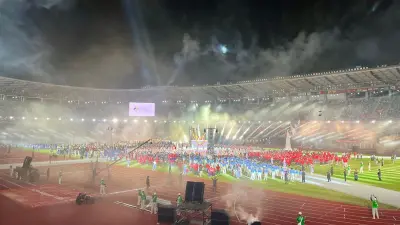
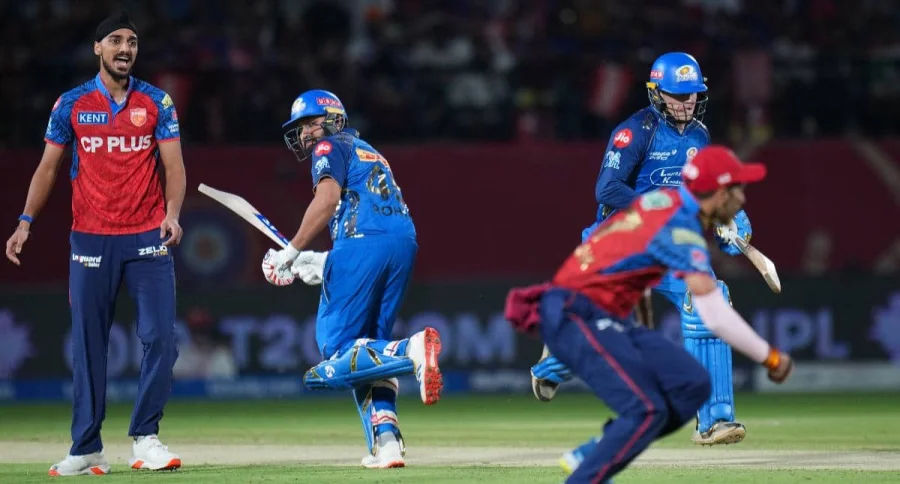
The roar of the crowd — that electric, spine-tingling sound that defines Indian Premier League cricket — could soon fall silent. In a move that has sent shockwaves through the cricketing world, the Chamber of Trade and Industry (CTI) has formally urged the Union Sports Ministry to stage the remaining matches of IPL 2026 without a single spectator in the stands. The reason? A drastic measure to curb what they describe as "nationwide fuel wastage." For millions of fans who live for the stadium experience, this isn't just a logistical update — it's an emotional gut punch. The question now is: will the season's biggest moments be played out in eerie silence?
The Proposal That Could Reshape IPL 2026
In a formal letter addressed to Sports Minister Mansukh Mandaviya, CTI Chairman Brijesh Goyal has laid out a bold and controversial proposal. The core demand is simple but seismic: all remaining IPL 2026 matches should be played at restricted venues, behind closed doors, with no stadium audiences allowed. The CTI argues that the massive movement of fans across cities for matches is contributing significantly to fuel consumption at a time when the nation needs to conserve resources. The proposal, if accepted, would mark one of the most dramatic mid-tournament changes in IPL history.
Why This Matters Right Now
This isn't just about cricket — it's about a collision between national priorities and sporting passion. India is currently navigating a complex energy landscape, and any move to curb fuel wastage has immediate economic and environmental implications. For the average fan, this means the dream of watching a live IPL match — the chants, the banners, the shared tension of a Super Over — could vanish overnight. For teams, it threatens a massive revenue stream from ticket sales and in-stadium hospitality. And for the tournament itself, it raises a fundamental question: can the IPL retain its magic without the energy of a live crowd? The stakes couldn't be higher.
How the Proposal Unfolded
The CTI's move didn't come out of nowhere. According to sources, the chamber has been monitoring fuel consumption patterns during the ongoing IPL season. With matches spread across multiple cities, the travel of hundreds of thousands of fans — by car, bus, train, and even flights — has created a significant carbon and fuel footprint. CTI Chairman Brijesh Goyal's letter to Minister Mandaviya is the culmination of these observations. The proposal specifically requests that the Sports Ministry intervene to ensure the remaining matches are held in venues that limit or entirely eliminate spectator presence. The ministry is now believed to be reviewing the request, though no official response has been made public yet.
Who Is Affected and What Officials Are Saying
The ripple effects of this proposal are vast. First and foremost, the fans — the lifeblood of the IPL — would be the most directly impacted. Millions who had already planned trips, booked tickets, and arranged travel could face disappointment. Then there are the teams, who rely on home crowds for both morale and revenue. Franchise owners are likely to push back hard, given that match-day income is a critical part of their business model. Local businesses around stadiums — from food vendors to parking lots — would also suffer. As for officials, the Sports Ministry has not yet issued a statement, but sources indicate that the proposal is being taken seriously. "The ministry is examining the feasibility and the broader implications," a senior official told ABP Live on condition of anonymity.
What We Know So Far — and What Remains Unclear
What we know: The CTI has formally written to Sports Minister Mansukh Mandaviya. The request is for remaining IPL 2026 matches to be played without spectators to save fuel. CTI Chairman Brijesh Goyal is the key figure behind the proposal.
What remains unclear: Whether the Sports Ministry will accept the proposal. How the Board of Control for Cricket in India (BCCI) and IPL franchises will respond. What compensation, if any, would be offered to ticket holders. And crucially, how the tournament would maintain its commercial viability without a live audience. The timeline for a decision is also unknown.
Risks, Concerns, and the Balanced View
While the CTI's environmental and economic logic has merit, the proposal is fraught with risks. Critics argue that the move could cripple the IPL's unique atmosphere, which is built on fan engagement. Empty stadiums could lead to lower television ratings, reduced sponsorship value, and a less compelling product. Supporters counter that the fuel savings and reduced carbon emissions are worth the trade-off, especially in a time of energy sensitivity. There is also the question of precedent: if this is accepted for IPL 2026, could similar measures be applied to other major sporting events? The debate is far from settled.
Why Similar Trends Are Growing Globally
India is not alone in facing this dilemma. Across the world, sporting bodies are grappling with the environmental and economic costs of mass spectator events. The Pakistan Super League (PSL) recently announced that initial stages of its 2026 season would be held without spectators, citing similar fuel and logistical concerns. This global trend suggests that the CTI's proposal is part of a larger conversation about sustainability in sports. However, the IPL's scale — with its massive fan base and commercial heft — makes this a uniquely high-stakes test case.
- The PSL 2026 initial stages were held behind closed doors due to fuel and logistical issues.
- Several European football leagues have experimented with reduced-capacity matches to lower carbon footprints.
- The International Cricket Council (ICC) has discussed sustainability guidelines for future tournaments.
"Empty stadiums are not just a logistical decision — they are a statement about what we value as a society. The IPL without fans would be a very different beast." — Sports analyst quoted in ABP Live report.
What Fans, Teams, and Investors Should Know Now
For fans who have already purchased tickets for remaining matches: hold on. No official cancellation or refund policy has been announced, but it's wise to monitor official IPL and team channels for updates. For teams and investors: this is a moment to engage with the BCCI and Sports Ministry proactively, advocating for a balanced solution — perhaps reduced capacity rather than a complete ban. For the broader public: this debate highlights the growing tension between entertainment and sustainability, a conversation that will only intensify in the years ahead.
What Could Happen Next
The coming days are critical. The Sports Ministry could accept the proposal, leading to an immediate shift to empty-stadium matches. Alternatively, they could reject it, allowing the tournament to continue as planned. A middle ground — such as limiting attendance to a fraction of capacity or implementing strict travel guidelines — is also possible. Whatever the outcome, the CTI's intervention has already changed the conversation around the IPL's future. Expect intense lobbying from all sides before a final decision is made.
Our Take: Why This Story Matters Beyond One Incident
This proposal is more than a mid-season disruption — it's a mirror reflecting the difficult choices nations face when balancing economic growth, environmental responsibility, and cultural passion. The IPL is not just a cricket tournament; it's a billion-dollar ecosystem and a source of national pride. Asking it to operate in silence is asking it to redefine its very soul. Whether you agree with the CTI or not, this moment forces us to ask: what are we willing to sacrifice for the greater good? The answer will shape not just the rest of IPL 2026, but the future of live sports in India.
FAQs
Why is the CTI asking for IPL 2026 matches to be held without spectators?
The Chamber of Trade and Industry (CTI) has formally requested the Sports Ministry to stage remaining IPL 2026 matches behind closed doors to curb nationwide fuel wastage caused by the mass movement of fans traveling to stadiums.
Who made this proposal and who is it addressed to?
CTI Chairman Brijesh Goyal wrote the letter to Union Sports Minister Mansukh Mandaviya, urging the ministry to intervene and ensure the remaining matches are played at restricted venues without a live audience.
What happens to fans who already bought tickets for the remaining IPL 2026 matches?
As of now, no official refund or cancellation policy has been announced. Fans are advised to monitor official IPL and team channels for updates once the Sports Ministry makes a decision on the proposal.
Could this proposal affect future IPL seasons or other sports events in India?
Yes, if accepted, this could set a precedent for future IPL seasons and other major sporting events in India, especially as the country grapples with energy and environmental challenges. The decision will be closely watched by sports bodies worldwide.