In what is being called the most anticipated public offering in modern financial history, SpaceX is accelerating its timeline to go public, with a record-shattering valuation of up to $1.75 trillion. Investors, analysts, and even rival firms are watching closely as Elon Musk’s rocket and satellite giant prepares to hit the Nasdaq under the ticker SPCX. The sentiment on Wall Street is unusually unified: this is the ‘deepest moat that exists today,’ and few are willing to bet against Elon Musk.
SpaceX IPO Timeline Accelerated: What Changed?
According to exclusive reports from Reuters, SpaceX has moved its IPO timeline forward. The company now expects to price its shares on June 11, with trading on the Nasdaq beginning the following day, June 12. This is a significant acceleration from earlier projections that placed the IPO near the end of June. The move signals strong institutional demand and a desire to capitalize on current market conditions.
Before the pricing date, SpaceX could file its public prospectus as early as Wednesday, with a roadshow for potential investors kicking off on June 4. The company had already filed confidentially, a common practice for high-profile IPOs to gauge interest and fine-tune valuation.
The Numbers Behind the ‘Deepest Moat’
The scale of this IPO is unprecedented. SpaceX is seeking to raise up to $75 billion at a valuation of $1.75 trillion. To put that in perspective, that would surpass the current record holder for the largest IPO in history. The valuation is not just based on rocket launches; it reflects the combined power of SpaceX’s core business, the Starlink satellite internet constellation, and the recently merged AI startup, xAI.
Investors are using the term ‘deepest moat’ to describe SpaceX’s competitive advantage. Unlike traditional aerospace or telecom companies, SpaceX controls its entire supply chain—from rocket manufacturing to satellite deployment to global internet service. This vertical integration, combined with Musk’s track record of execution, creates a barrier to entry that analysts believe is nearly insurmountable.
Why Investors Are Saying ‘Never Bet Against Elon’
The phrase ‘never bet against Elon’ has become a rallying cry among institutional investors who have watched Musk defy skeptics repeatedly. From the early days of Tesla to the successful landing of reusable rockets, Musk has consistently turned what seemed impossible into industry standards. The SpaceX IPO is seen as the ultimate validation of this pattern.
“This is not just a rocket company. This is an infrastructure monopoly in the making,” one investor told Reuters. “Starlink alone is worth hundreds of billions. Add in the launch business, the AI integration, and the long-term Mars vision, and you have a company that could dominate multiple industries for decades.”
What the SpaceX IPO Means for Indian Investors and Markets
While the IPO will list on the Nasdaq, Indian investors are not entirely shut out. Many Indian high-net-worth individuals (HNIs) and institutional investors are expected to participate through the foreign portfolio investor (FPI) route. Additionally, several Indian mutual funds have been increasing their exposure to US tech giants, and SpaceX could become a major holding.
For retail investors in India, the most accessible way to gain exposure will likely be through US-focused ETFs or direct stock purchases via international trading platforms. However, given the expected demand, the IPO is likely to be heavily oversubscribed, making it difficult for small investors to get an allocation.
Legal, Regulatory, and Corporate Structure Details
The IPO comes after a significant corporate restructuring. SpaceX recently merged with xAI, Musk’s artificial intelligence startup, creating a combined entity that spans space, satellite communications, and AI. This merger is seen as a strategic move to present a unified, high-growth story to investors.
From a regulatory perspective, the IPO will be subject to SEC scrutiny, but given SpaceX’s status as a national security contractor and its close ties to NASA and the US Department of Defense, the offering is expected to receive expedited review. The company has also secured key contracts that provide long-term revenue visibility, reducing risk for investors.
Why Similar Trends Are Growing: The Rise of ‘Moat’ Companies
The SpaceX IPO is part of a broader trend where investors are increasingly valuing companies with deep, defensible competitive advantages. In a world of rapid technological disruption, ‘moat’ has become the most important metric. Companies like Nvidia, Tesla, and now SpaceX are commanding premium valuations because they operate in markets where competition is limited and barriers to entry are high.
SpaceX’s moat is particularly unique. It combines:
- Vertical Integration: From rocket engines to satellite manufacturing to ground stations.
- First-Mover Advantage: Starlink already has hundreds of thousands of subscribers globally.
- Government Contracts: Exclusive deals with NASA and the Pentagon.
- Brand Loyalty: Musk’s personal brand attracts top talent and customer trust.
“SpaceX has the deepest moat that exists today. It’s not just about rockets; it’s about controlling the infrastructure of the future.” — Anonymous Institutional Investor
What Investors and Readers Should Know Now
For those considering investing, here are the key takeaways:
- IPO Date: June 11 (pricing), June 12 (trading).
- Ticker: SPCX on Nasdaq.
- Valuation: Up to $1.75 trillion.
- Risk Factors: High valuation, regulatory risks, Musk’s management style, and space industry volatility.
- Opportunity: Potential for long-term growth as Starlink expands and Mars missions become viable.
What Could Happen Next: The Road After the IPO
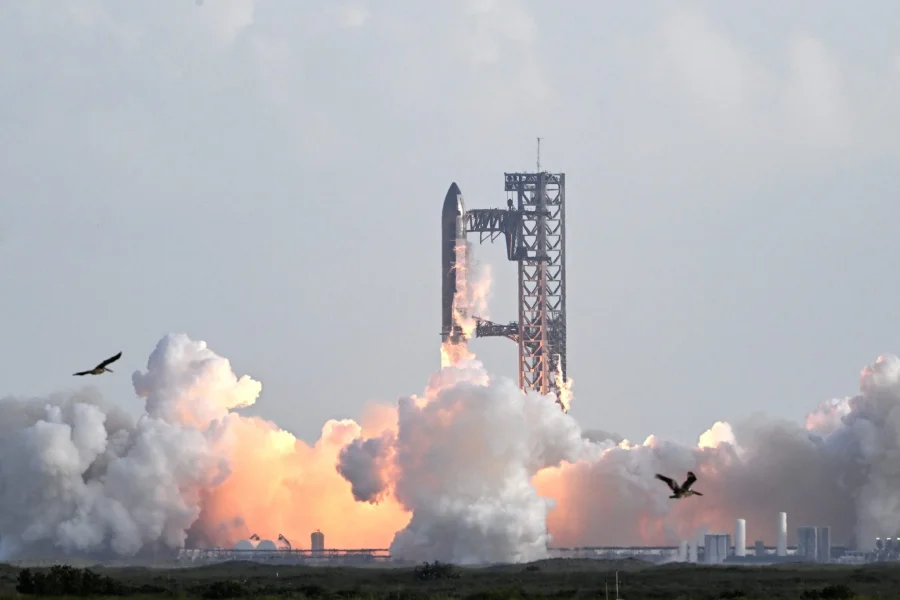
Post-IPO, SpaceX is expected to use the capital to accelerate Starlink’s global rollout, expand its Starship program, and deepen its AI capabilities through xAI. Analysts predict that the company could become the most valuable in the world within a decade, surpassing even Apple and Saudi Aramco.
However, risks remain. The space industry is capital-intensive, and any major failure—such as a Starship explosion or a Starlink regulatory crackdown—could impact the stock. Additionally, Musk’s attention is divided among Tesla, X (formerly Twitter), and other ventures, which could be a concern for some investors.
Our Take: Why This IPO Matters Beyond Wall Street
The SpaceX IPO is not just a financial event; it is a cultural and technological milestone. It represents the moment when private space exploration transitions from a niche ambition to a mainstream investment thesis. For India, it signals the growing importance of space technology as an asset class. As Starlink prepares to launch in India, the IPO could also accelerate regulatory approvals and partnerships.
More importantly, the ‘deepest moat’ narrative reflects a fundamental shift in how value is created. In the 21st century, the most valuable companies are not those that extract resources, but those that build infrastructure for the future. SpaceX is building the highway to space, and the IPO is the toll booth.
FAQs
When is the SpaceX IPO date?
SpaceX is expected to price its IPO on June 11, 2026, with trading on the Nasdaq starting June 12, 2026.
What is the SpaceX IPO valuation?
The company is targeting a valuation of up to $1.75 trillion, which would make it the largest IPO in history.
What is the SpaceX stock ticker?
The ticker symbol for SpaceX on the Nasdaq will be SPCX.
Can Indian investors buy SpaceX shares?
Yes, Indian investors can participate through FPI routes, US-focused ETFs, or direct stock purchases via international trading platforms. However, retail allocation may be limited due to high demand.
Why do investors call SpaceX the ‘deepest moat’?
Investors use this term because SpaceX has a unique competitive advantage through vertical integration, first-mover advantage in satellite internet, exclusive government contracts, and Elon Musk’s brand.
What are the risks of investing in SpaceX?
Key risks include high valuation, regulatory challenges, space industry volatility, and dependence on Elon Musk’s leadership.