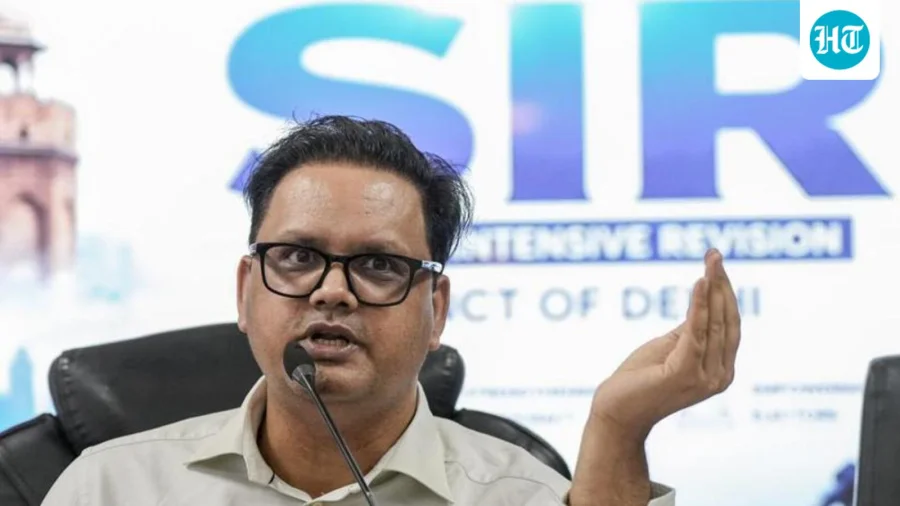
If you are a Delhi voter, expect a knock on your door starting June 29. The Delhi Chief Electoral Officer (CEO) has announced the Special Intensive Revision (SIR) of electoral rolls, deploying over 13,000 Booth Level Officers (BLOs) across the capital. The draft electoral roll will be published on August 5, setting the stage for a cleaner, more accurate voter list ahead of future elections.
What the SIR exercise means for Delhi voters
The SIR is not a routine update. It is a focused, door-to-door verification drive. BLOs will visit every household to confirm the details of existing voters, identify eligible citizens who are not yet registered, and facilitate corrections in names, addresses, or photographs. They will also help remove entries of deceased persons or those who have moved out of the constituency.
Why this voter list cleanup matters right now
An accurate electoral roll is the foundation of free and fair elections. Errors, duplicates, or missing names can disenfranchise genuine voters. For Delhi, a politically crucial state, this revision ensures that every eligible citizen has a fair chance to vote. The exercise also helps political parties and election authorities plan better for polling day logistics.
Timeline: From preparation to final roll
Preparations for the SIR, including training of BLOs and printing of enumeration forms, will be carried out between June 20 and June 29. The field verification begins on June 29. The draft electoral roll will be published on August 5, after which claims and objections can be filed. The final electoral roll is expected to be published in October, as per the schedule shared by the Delhi CEO.
Who is affected and what you should do
Every resident of Delhi who is 18 years or older is affected. If you are already a voter, cooperate with the BLO when they visit. If you are a first-time voter or have recently moved, this is your window to get enrolled. You can also check your name online or visit the local BLO office. The process is designed to be simple and accessible.
Delhi CEO’s directive and official response
Delhi CEO Ashok Kumar has directed all district election officers to ensure the SIR is conducted smoothly and transparently. Officials have emphasized that BLOs will carry official identification and will not ask for money or sensitive personal information beyond what is required for voter registration. Citizens are advised to verify the identity of any person claiming to be a BLO.
How the SIR process works — explained simply
BLOs will use a combination of paper forms and digital tablets to collect data. They will cross-check existing records with actual residents. If a person is found missing, they will be added. If a name appears twice, it will be flagged. The entire process is supervised by electoral registration officers and observers to prevent errors or malpractice.
Confirmed facts vs what remains unclear
Confirmed: SIR begins June 29; draft roll on August 5; 13,000+ BLOs deployed. Unclear: Exact date for final roll publication (expected October); whether all BLOs will have digital devices; specific penalties for non-cooperation. The Delhi CEO’s office has not yet clarified if there will be a separate online claims window.
Risks and balanced view of the revision
While the SIR is a positive step, concerns remain. Past revisions have faced allegations of partisan bias, with some parties claiming names were removed unfairly. There is also the risk of genuine voters being left out due to administrative errors. The Election Commission has assured that all claims and objections will be handled transparently, but vigilance by citizens and political parties is essential.
Wider trend: Electoral roll cleanups across India
Delhi is not alone. Several states have undertaken similar SIR exercises in recent years, driven by the Election Commission’s push for error-free rolls. The use of technology, including mobile apps and Aadhaar linkage, has made the process faster but also raised privacy concerns. The Delhi exercise will be watched closely as a model for other urban centers.
Practical guidance for Delhi residents
Keep your voter ID card and Aadhaar card handy. When a BLO visits, verify their identity badge. If you are not at home, you can visit the local BLO office or check the CEO Delhi website for updates. First-time voters should ensure they are 18 by the qualifying date. If you find an error in your entry, file a correction form immediately after the draft roll is published on August 5.
Future outlook: What happens after August 5
After the draft roll is published, there will be a period for claims and objections. The final roll will be released after all disputes are resolved. This roll will be used for all future elections in Delhi, including the next assembly polls. Political parties are expected to scrutinize the draft roll closely for any discrepancies.
Our Take
The SIR is a necessary administrative exercise that directly impacts democratic participation. For Delhi’s 1.5 crore-plus voters, this is not just a bureaucratic formality — it is a chance to ensure their voice is heard. The success of the drive depends on cooperation between citizens, BLOs, and election authorities. Transparency and speed will be key to building trust.
Frequently Asked Questions
What is the Special Intensive Revision (SIR) of electoral rolls?
The SIR is a focused door-to-door verification drive to update the voter list. It involves checking existing entries, adding new voters, and removing duplicates or deceased persons.
When does the Delhi SIR begin and when is the draft roll published?
The SIR starts on June 29, 2026. The draft electoral roll will be published on August 5, 2026.
How many BLOs are deployed for this exercise?
Over 13,000 Booth Level Officers (BLOs) have been deployed across Delhi to conduct the verification.
What should I do if a BLO visits my home?
Verify their official identification. Cooperate by providing accurate details. Do not share sensitive personal information beyond what is required for voter registration.