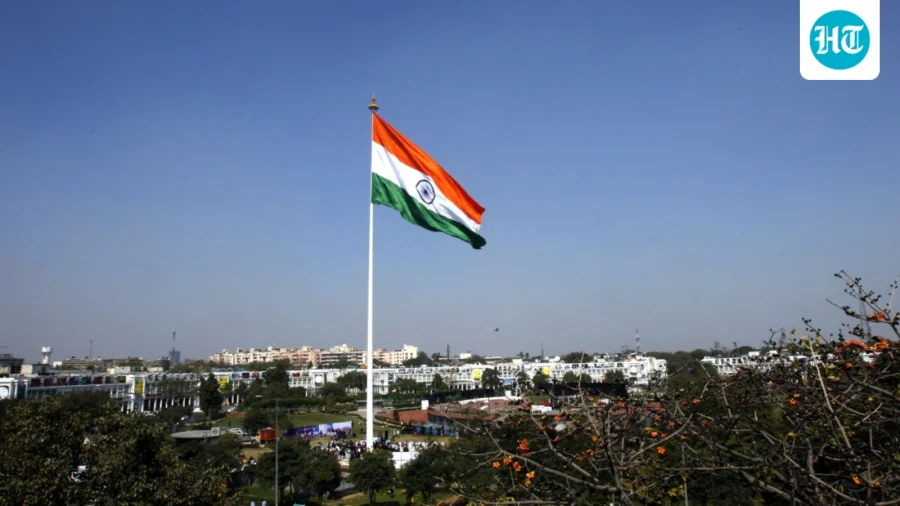
Every morning, as Delhi wakes to its familiar chaos, nearly 500 giant Tricolours rise above the city's busiest intersections and public spaces. But what most commuters don't see is the quiet, expensive operation that keeps those flags flying — a continuous cycle of washing, inspection, and replacement that has cost the government ₹104 crore since 2022.
The Deshbhakti initiative: 500 flags across Delhi
Under the Deshbhakti initiative launched in 2022, the Delhi government installed 35-metre-high national flags at 500 prominent locations across the capital. The project was designed to instil patriotism and create a visible symbol of national pride in public spaces. But maintaining nearly 500 giant flags in a city known for dust, pollution, and extreme weather is no small task.
Why maintenance costs ₹104 crore
The ₹104 crore budget covers not just the initial installation but the ongoing upkeep of the flags. Each flag, made from durable fabric, must withstand Delhi's harsh summers, monsoon rains, dust storms, and winter fog. The constant exposure means flags fray, fade, and tear — requiring regular replacement. Washing is needed to remove dust and pollutants that accumulate quickly in the capital's air.
Summer storms test the system
Recent summer storms have put the maintenance operation under severe strain. High winds and heavy rain have damaged several flags, forcing the government to accelerate replacement cycles. Officials have had to deploy teams to inspect and repair flags across the city, often working through the night to ensure flags are flying by morning. The storms have highlighted the vulnerability of the flags to extreme weather events, which are becoming more frequent in the region.
Who is affected by this initiative
For Delhi's residents, the flags are a daily reminder of national identity. But the maintenance operation also affects the workers who clean, inspect, and replace the flags — often at heights of 35 metres. Their safety and working conditions are a concern. For taxpayers, the ₹104 crore expenditure raises questions about priorities: is this the best use of public funds in a city facing pressing challenges in education, healthcare, and infrastructure?
Delhi government's response and oversight
The Delhi government has defended the initiative as a matter of national pride and public symbolism. Officials say the maintenance cycle is carefully managed, with flags inspected weekly and replaced as needed. The government has also contracted specialised agencies to handle the washing and replacement, ensuring that flags meet quality standards. However, critics argue that the cost is excessive and that the money could be better spent elsewhere.
The real cost of keeping flags pristine
Beyond the ₹104 crore figure, the true cost includes the environmental impact of manufacturing and disposing of hundreds of flags each year. Each flag requires fabric, dye, and labour to produce. The washing process uses water and detergents. The replacement cycle generates waste. These hidden costs are rarely discussed but are part of the full picture of the initiative.
Confirmed facts vs what remains unclear
Confirmed: The Delhi government approved ₹104 crore for installing and maintaining 500 high-mast Tricolours under the Deshbhakti initiative. Flags are washed, inspected, and replaced regularly. Recent summer storms have caused damage and accelerated replacement cycles.
Unclear: The exact breakdown of the ₹104 crore between installation and maintenance. The number of flags replaced so far. The specific criteria for when a flag needs replacement. The long-term sustainability of the project beyond the current budget cycle.
Risks and balanced view of the initiative
Supporters argue that the flags foster patriotism and create a visible symbol of national unity in public spaces. Critics counter that ₹104 crore is a significant sum for a city where basic services remain underfunded. There are also concerns about the environmental footprint of manufacturing and disposing of hundreds of flags annually. The initiative's long-term viability depends on continued political will and budget allocation.
Wider trend: Symbolic spending in Indian cities
Delhi's Tricolour project is part of a broader trend of Indian cities investing in large-scale symbolic infrastructure — from statues to beautification projects. While such initiatives can boost civic pride, they also raise questions about resource allocation. Similar projects in other states have faced scrutiny over cost overruns and maintenance challenges. The Delhi experiment will be watched closely as a case study in balancing symbolism with practicality.
What Delhi residents should know
For residents, the flags are a daily sight, but understanding the cost and effort behind them can inform public debate. If you see a damaged or faded flag, you can report it to the Delhi government's helpline. The initiative also offers an opportunity to reflect on how public funds are spent and what priorities matter most for the city.
Future outlook for the Tricolour project
The Delhi government is expected to continue the maintenance cycle for the foreseeable future. However, the recent storm damage may prompt a review of flag materials and installation methods. There is also the possibility of budget reallocation if the city's financial situation changes. The project's long-term success will depend on whether the government can balance maintenance costs with other pressing needs.
Our Take
The ₹104 crore Tricolour initiative is a striking example of how symbolism and public spending intersect in Indian governance. While the flags are undeniably inspiring, the cost raises legitimate questions about priorities. The real test will be whether the government can maintain these flags without compromising on essential services. For now, Delhi's giant Tricolours remain a proud but expensive statement — one that requires constant care and public scrutiny.
Frequently Asked Questions
How many giant Tricolours are there in Delhi?
Nearly 500 giant national flags have been installed at prominent intersections and public spaces across Delhi under the Deshbhakti initiative launched in 2022.
How much did the Delhi government spend on these flags?
The Delhi government approved ₹104 crore for the installation and maintenance of 500 high-mast Tricolours across the city.
How are the flags maintained?
The flags undergo a continuous cycle of washing, inspection, and replacement. Recent summer storms have tested this maintenance operation, requiring accelerated replacement of damaged flags.
Why does maintaining flags cost so much?
The cost covers installation, regular washing to remove dust and pollutants, inspection for damage, and replacement of flags that fray, fade, or tear due to Delhi's harsh weather conditions.