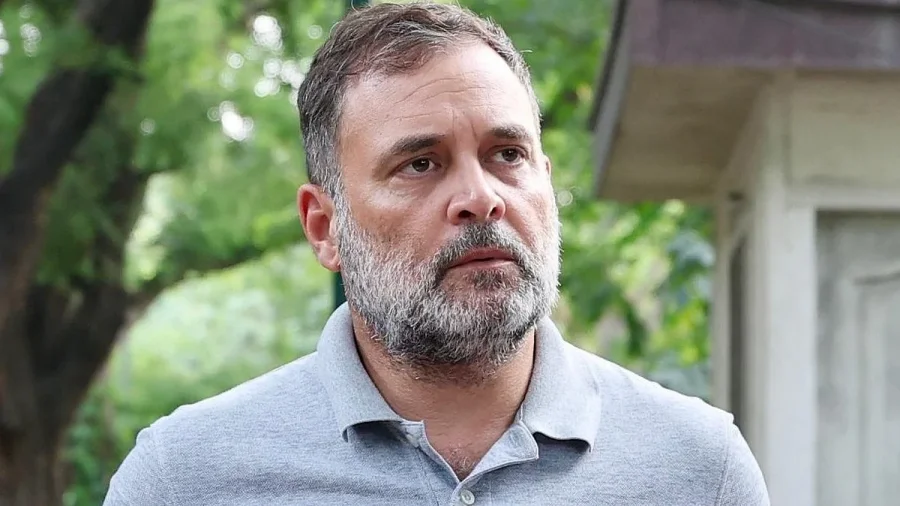
The Leader of the Opposition in the Lok Sabha, Rahul Gandhi, has directly challenged Union Home Minister Amit Shah over what he termed a "barbaric assault" on student protesters in Delhi. In a letter sent on Sunday, Gandhi demanded accountability for the alleged use of excessive force during a demonstration on July 20, which he said left hundreds of students injured.
What Rahul Gandhi alleged in his letter to Amit Shah
In his letter, Gandhi stated that students had taken to the streets demanding a "fair, transparent and accountable examination system." Instead of dialogue, he alleged, they were met with "indiscriminate force" from security personnel, including the use of tear gas and other means. He described the incident as a brutal crackdown on peaceful protest, a fundamental right in any democracy.
Why this protest matters for students and democracy
The protest on July 20 was part of a broader movement by students seeking reforms in the education examination system. For thousands of students across India, the demand for a transparent and fair system is deeply personal. Gandhi's intervention highlights the political sensitivity of student unrest and the government's handling of dissent. The incident raises questions about the balance between maintaining public order and protecting the right to peaceful protest.
Timeline of events: From protest to political confrontation
On July 20, students gathered in Delhi to protest against the current examination system. According to Gandhi's account, security forces responded with force, leading to injuries. By Sunday, the Leader of the Opposition had written to the Home Minister, escalating the matter from a street protest to a direct political confrontation. The government has not yet issued a formal response.
Who is affected by this crackdown
The immediate victims are the students who were injured during the protest. But the implications extend to every citizen who values the right to peaceful assembly. For parents, the safety of their children during lawful protests is a pressing concern. For the political opposition, the incident is a test of the government's commitment to democratic norms.
Amit Shah's office yet to respond
As of now, there has been no official statement from Amit Shah or the Ministry of Home Affairs regarding Gandhi's letter. The silence from the government is likely to fuel further criticism from opposition parties. Political analysts expect the issue to be raised in Parliament, where the government will be pressed for a detailed response.
What this means for the government-opposition dynamic
Gandhi's letter is not just about a single protest. It is a strategic move to put the Home Minister on the defensive over law and order and the treatment of dissent. The opposition is framing this as a pattern of authoritarian behavior, while the government may argue that force was necessary to prevent escalation. The coming days will reveal how the ruling party chooses to respond.
Confirmed facts vs what remains unclear
Confirmed: Rahul Gandhi wrote a letter to Amit Shah on Sunday, alleging excessive force against student protesters on July 20. The protest was about examination system reforms. Gandhi claims hundreds were injured and tear gas was used. Unclear: The exact number of injuries, the government's version of events, and whether an official inquiry has been ordered. These details are still awaited from official sources.
Risks and balanced view
While Gandhi's allegations are serious, it is important to note that the government may have its own account of the protest. Security forces often face difficult decisions when crowds become unruly. Without an official statement, it is premature to assign blame entirely. However, the lack of a prompt response from the Home Ministry risks creating a perception of indifference to student welfare.
Wider pattern: Student protests and state response in India
This incident is part of a recurring pattern in India where student protests, from JNU to Jamia, have often led to confrontations with authorities. The tension between the right to protest and the state's duty to maintain order remains a flashpoint. Each such event tests the resilience of democratic institutions and the willingness of the government to engage in dialogue.
What students and citizens should do now
For students, documenting peaceful protests and seeking legal recourse if rights are violated is crucial. Citizens should demand transparency from both the government and opposition. Following official statements from the Home Ministry and parliamentary debates will provide clarity. Engaging with verified news sources is essential to avoid misinformation.
Future outlook: What happens next
The ball is now in Amit Shah's court. If the government responds with an inquiry or a statement, it could de-escalate the political tension. If it remains silent, the opposition will likely intensify its campaign. The issue may also be taken up by human rights organizations. The next few days will determine whether this remains a political flashpoint or leads to concrete action.
Our Take
This story is more than a political spat. It touches on the core of democratic governance: the right to protest without fear. Rahul Gandhi's letter is a legitimate demand for accountability, but it must be backed by evidence. The government, for its part, owes the public a clear account of what happened on July 20. In a democracy, silence is not an answer—especially when students are involved.
Frequently Asked Questions
Why did Rahul Gandhi write to Amit Shah?
Rahul Gandhi wrote to Amit Shah demanding accountability over the alleged use of excessive force against student protesters in Delhi on July 20. He described the crackdown as a "barbaric assault" and called for a response from the Home Minister.
What was the student protest about?
The protest on July 20 was organized by students demanding reforms in the education examination system. They sought a fair, transparent, and accountable process for exams.
Has Amit Shah responded to the letter?
As of the latest reports, Amit Shah and the Ministry of Home Affairs have not issued an official response to Rahul Gandhi's letter. The government's silence is expected to be challenged in Parliament.
What happens next in this political standoff?
The opposition is likely to raise the issue in Parliament, demanding a statement and possibly an inquiry. The government's response will determine whether the matter escalates or is resolved through dialogue.