
Summary
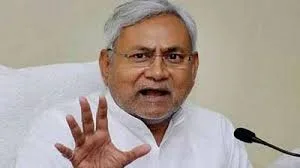
Indian Prime Minister Narendra Modi recently held a phone call with Iranian President Masoud Pezeshkian to discuss critical issues regarding regional stability. The conversation focused on the safety of international shipping lanes and the general security situation in the Middle East. While the call began with friendly greetings for the Eid and Nowruz festivals, it quickly moved toward serious cooperation on trade and infrastructure projects that benefit both nations.
Main Impact
The primary impact of this high-level talk is the renewed focus on maritime safety. For India, the security of sea routes is not just a political issue but a major economic necessity. Most of India’s trade and energy supplies move through the waters near the Middle East. Any disruption in these shipping lanes can lead to higher fuel prices and delays in getting goods to market. By engaging with Iran, India is trying to ensure that its commercial ships can pass through these areas without facing threats from regional conflicts.
Key Details
What Happened
The discussion between the two leaders took place on March 21, 2026. Prime Minister Modi reached out to President Pezeshkian to offer his best wishes for the Persian New Year, known as Nowruz, and the festival of Eid. After these formal greetings, the leaders turned their attention to the growing concerns over security in the region. They talked about how to prevent further tension and how to keep the sea routes open for global trade. This call is part of India’s ongoing effort to maintain a balanced relationship with all major players in the Middle East.
Important Numbers and Facts
A major part of the India-Iran relationship is the Chabahar Port. India has committed to investing millions of dollars into this port to make it a major trade hub. Recently, the two countries signed a long-term agreement that gives India the right to manage a part of the port for the next ten years. This project is vital because it allows India to send goods to Afghanistan and Central Asia without going through Pakistan. Additionally, both leaders discussed the International North-South Transport Corridor (INSTC). This is a 7,200-kilometer-long network of ship, rail, and road routes that aims to move freight between India, Iran, and Russia more quickly than the traditional Suez Canal route.
Background and Context
To understand why this talk matters, one must look at the current state of the world. The Middle East has seen a lot of trouble lately, with conflicts affecting the Red Sea and the Gulf of Oman. These areas are some of the busiest shipping paths in the world. When ships are attacked or threatened, insurance costs go up, and shipping companies have to take longer routes around Africa. This makes everything more expensive for the average person. India wants to prevent this by working closely with Iran, which holds a powerful position along these water routes.
Furthermore, Iran is a key partner for India’s energy needs. Although international rules have sometimes made it hard to trade, India still sees Iran as a natural ally for regional connectivity. The friendship between the two countries is based on centuries of shared history and culture, which makes it easier for them to talk about difficult security issues.
Public or Industry Reaction
Business leaders and trade experts have welcomed this direct communication. Many shipping companies have expressed worry about the safety of their crews and cargo in the region. They believe that if India and Iran can work together to protect these lanes, it will bring more confidence to the global market. Economic experts also point out that the success of the Chabahar Port depends entirely on peace in the region. If the area is unstable, the port cannot reach its full potential as a gateway for trade. Therefore, the industry sees this phone call as a positive step toward protecting economic interests.
| Key Focus Area | Impact & Details |
|---|---|
| Maritime Safety |
|
| Economic Security |
|
| Infrastructure |
|
| Diplomacy |
|
What This Means Going Forward
Looking ahead, we can expect more frequent meetings between Indian and Iranian officials. The next steps will likely involve finishing the construction of the railway lines connected to the Chabahar Port. There is also a push to get more countries in Central Asia to use this route. If the security situation improves, India might also look into increasing its energy cooperation with Iran. However, the path forward is not without risks. India must balance its friendship with Iran while also maintaining good relations with other countries that may have disagreements with the Iranian government. The goal for India is to stay neutral while focusing on its own trade and security needs.
Final Take
This conversation shows that India is taking a lead role in trying to keep the region safe for business. By focusing on shipping lanes and infrastructure, PM Modi is looking out for India’s long-term economic health. While the Middle East remains a complicated place, direct talks like these are the best way to prevent small problems from turning into major crises that affect the whole world.
Frequently Asked Questions
Why is the Chabahar Port so important for India?
The Chabahar Port allows India to trade with Central Asia and Afghanistan by bypassing Pakistan. It is a key part of India’s plan to increase its exports and build stronger ties with countries to its west.
What are shipping lanes and why do they need protection?
Shipping lanes are like highways on the ocean that large cargo ships use to travel. They need protection because if they are blocked or if ships are attacked, it stops the flow of food, oil, and medicine, causing prices to rise globally.
What is Nowruz?
Nowruz is the Persian New Year. it is a traditional festival celebrated by millions of people in Iran and surrounding regions to mark the beginning of spring and the start of a new year.