The quiet of a Tuesday morning was shattered across three continents as law enforcement officers moved in on 24 suspects, pulling them from their homes and businesses in a coordinated takedown that signals a new era in the fight against transnational crime. This was not a routine bust. This was Operation Hard Ball, a global crackdown targeting the shadowy networks of India-based organized crime groups that have extended their reach from the streets of Punjab to the suburbs of California and the capitals of Europe.
The Global Sweep: How Operation Hard Ball Unfolded
According to the U.S. Department of Justice, the arrests were the culmination of a long-term investigation into three distinct but interconnected India-based transnational organized crime groups. The operation saw 11 arrests in California alone, with the remaining defendants taken into custody in Canada and several European nations. The charges paint a picture of a sophisticated criminal enterprise involved in drug trafficking, extortion, and violent crime.
Why This Matters: The Reach of India-Based Gangs
For years, these gangs, often linked to figures like the incarcerated Lawrence Bishnoi, were seen as a domestic problem for India. This operation proves they have become a global threat. The ability to coordinate assassinations, traffic massive quantities of drugs, and launder money across borders represents a direct challenge to law enforcement in the West. For Indian readers, this is a stark reminder that the tentacles of these networks have reached their families and communities abroad.
The 2023 Assassination: A Key Catalyst
While the charges are extensive, one crime stands out: the assassination of a prominent Indian political figure in Canada in 2023. This killing, which sent shockwaves through the Indian diaspora and strained diplomatic relations, is now directly linked to the groups targeted in Operation Hard Ball. The arrests suggest that the investigation into that murder has been a primary driver for this international collaboration.
Human Impact: Who is Affected?
The immediate impact is felt by the families of the 24 defendants, but the broader consequences ripple outward. The seizure of nearly 1,000 kg of cocaine means thousands of potential overdoses and ruined lives were prevented. For communities in California and Canada where these groups operated, the arrests bring a sense of relief but also a sobering realization of how deeply entrenched these networks had become. The victims of extortion and violence, often members of the Indian diaspora, may finally see some measure of justice.
Official Response: Justice Department and FBI Speak
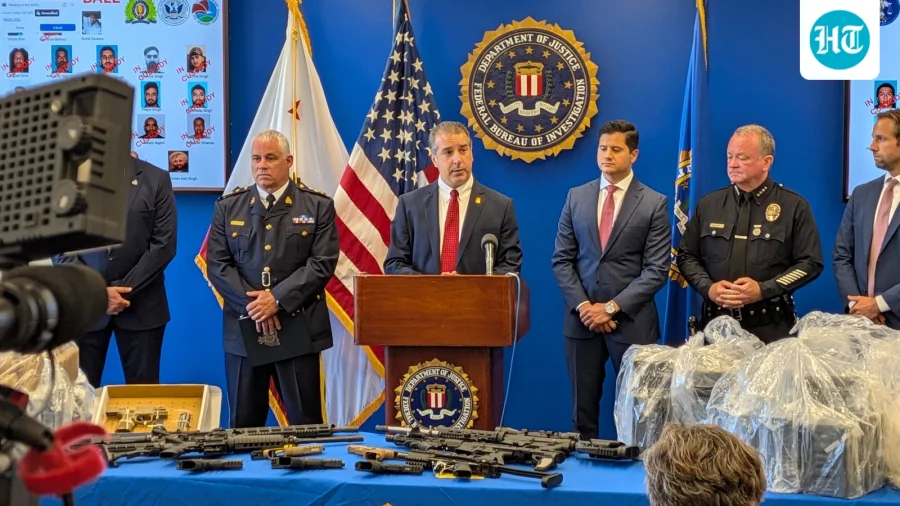
The U.S. Department of Justice, in a statement, described the operation as a "significant blow" to transnational organized crime. "These groups believed they could operate with impunity across borders," a senior official said. "Today's arrests send a clear message that we will use every tool at our disposal to dismantle these criminal enterprises." The FBI, which led the operation, emphasized the importance of international partnerships in making the case.
Analysis: A New Model for International Policing
Operation Hard Ball represents a shift in how law enforcement tackles transnational crime. Instead of focusing on individual drug shipments or local gang violence, agencies are now targeting the entire ecosystem—from the leadership in India to the operatives on the ground in North America and Europe. This "follow the network" approach is resource-intensive but appears to be yielding results. The collaboration between the FBI, RCMP, and European agencies is a template for future operations.
Confirmed Facts vs What Remains Unclear
Confirmed: 24 arrests have been made. Approximately 1,000 kg of cocaine, 1 kg of heroin, $40,000, and a dozen firearms were seized. The groups are linked to a 2023 assassination in Canada. Unclear: The specific identities of all 24 defendants have not been fully released. The exact nature of the links between the three groups is still under investigation. It is not yet known if any of the arrested individuals are the masterminds behind the assassination or if they are lower-level operatives.
Risks and Balanced View: The Limits of a Sweep
While the operation is a major victory, experts caution that dismantling a criminal network is not the same as destroying it. These groups are resilient and have deep roots in India. New leaders may emerge to fill the void. There are also concerns about the legal process: extraditions from Europe and Canada can be lengthy and complex. Furthermore, the focus on the 2023 assassination could overshadow the other serious crimes, such as drug trafficking, that affect communities daily.
The Wider Trend: The Globalization of Indian Organized Crime
This operation is part of a larger, alarming trend. Indian organized crime groups, once confined to the subcontinent, have globalized. They have established cells in North America, Europe, Southeast Asia, and the Middle East. They exploit diaspora communities for extortion, use international financial systems for money laundering, and form alliances with other criminal organizations. Operation Hard Ball is a response to this new reality.
Practical Guidance: What Should the Indian Diaspora Do?
For members of the Indian diaspora, especially in the US and Canada, this news is a call for vigilance. If you or your business are being pressured or extorted by individuals claiming gang affiliation, report it immediately to local law enforcement and the FBI. Do not pay. These groups thrive on fear and silence. Community organizations should work with law enforcement to build trust and encourage reporting.
Future Outlook: What Happens Next?
The 24 defendants will now face court proceedings in their respective countries. The US will likely seek extradition of those arrested in Europe and Canada. The investigation is ongoing, and more arrests are possible. The long-term impact will depend on whether law enforcement can maintain the pressure and whether India itself can effectively prosecute the leadership of these gangs operating from within its borders.
Our Take
Operation Hard Ball is a landmark achievement in international policing, but it is not a final victory. It is a powerful demonstration that when nations collaborate, they can disrupt even the most entrenched criminal networks. However, the root causes—poverty, lack of opportunity, and weak governance in parts of India—remain. For the Indian reader, this story is a reminder that the consequences of organized crime are no longer a distant problem. They are here, in our cities, and they require a global response.
Frequently Asked Questions
What is Operation Hard Ball?
Operation Hard Ball is a coordinated international law enforcement operation led by the FBI that resulted in the arrest of 24 individuals linked to India-based organized crime groups. The operation targeted networks involved in drug trafficking, extortion, and a 2023 assassination in Canada.
Who was arrested in Operation Hard Ball?
24 defendants were arrested across the United States (11 in California), Canada, and Europe. They are accused of being members or associates of three India-based transnational organized crime groups.
What was seized during the operation?
Law enforcement seized approximately 1,000 kilograms of cocaine, 1 kilogram of heroin, $40,000 in cash, and a dozen firearms.
Is this operation linked to the Lawrence Bishnoi gang?
While not officially confirmed in the initial DOJ statement, reports from sources like India Today indicate that the operation targeted networks linked to the Lawrence Bishnoi gang, a prominent organized crime group based in India.