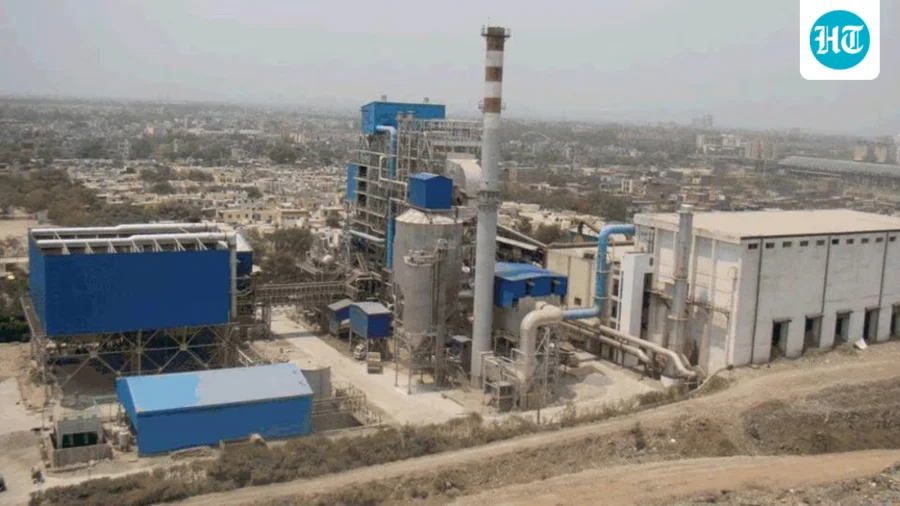
Delhi’s ambitious plan to build its largest waste-to-energy (WtE) plant has hit another roadblock. The Municipal Corporation of Delhi (MCD) has pushed the completion deadline for the Narela-Bawana facility to December 2028, officials confirmed. The delay stems from unresolved issues in relocating high-tension power lines that cut through the project site, compounded by local protests.
Why the Narela-Bawana WtE plant matters for Delhi’s waste crisis
The Narela-Bawana plant is central to MCD’s strategy to reduce the city’s overflowing landfills. Once operational, it is expected to process thousands of tonnes of municipal solid waste daily, converting it into energy. Delays mean more waste piling up at sites like Ghazipur, Bhalswa, and Okhla, which have already exceeded their capacity.
Power line relocation: the technical hurdle stalling progress
Officials aware of the matter said the primary bottleneck is the relocation of high-tension power lines passing through the plant’s designated area. The process involves coordination with power distribution companies and securing clearances, which has proven time-consuming. Without this step, construction cannot proceed safely or as planned.
Local protests add to the delay
Residents in the Narela-Bawana area have raised concerns about the plant’s environmental and health impacts. Protests have slowed groundwork and forced MCD to engage in community consultations. Balancing local opposition with the city’s waste management needs remains a delicate challenge for the civic body.
MCD’s official response and next steps
MCD officials have acknowledged the delays but remain committed to the project. They are working with power utilities to expedite line relocation and have initiated dialogue with local stakeholders. The new December 2028 deadline is seen as a realistic target, though further slippages cannot be ruled out if issues persist.
What this means for Delhi’s landfill clearance targets
The delay comes at a time when Delhi’s landfills are under severe strain. The city generates over 11,000 tonnes of waste daily, and existing WtE plants are operating below capacity. The Narela-Bawana plant was expected to be a game-changer. Its postponement raises questions about MCD’s ability to meet its own landfill clearance deadlines.
Confirmed facts vs what remains unclear
What is confirmed: MCD has extended the deadline to December 2028; high-tension power line relocation is a key issue; local protests are ongoing. What remains unclear: the exact timeline for power line relocation; whether MCD will face cost overruns; and if additional compensatory measures for affected residents will be announced.
Risks and balanced view
While the plant promises environmental benefits, critics argue that WtE technology has its own pollution risks, including air emissions and ash disposal. Local activists have called for more transparent environmental impact assessments. MCD must address these concerns while pushing forward with the project to avoid further delays.
Wider trend: Delhi’s struggle with waste-to-energy projects
Delhi has a mixed record with WtE plants. The Okhla plant faced years of legal battles and operational issues. The Bawana plant, though operational, has not met its full capacity. The Narela-Bawana delay fits a pattern of infrastructure projects in the capital being held up by land, clearance, and community issues.
What residents and stakeholders should know
For residents near the site, MCD has promised regular updates and grievance redressal. For the broader public, the delay means continued reliance on landfills. Those concerned about waste management can participate in MCD’s public consultations or raise issues through local councillors.
Future outlook: can MCD meet the 2028 deadline?
Meeting the new deadline will require swift resolution of power line issues and effective community engagement. If MCD fails to address these, further delays are likely. The project’s success is critical for Delhi’s long-term waste management strategy, but the path ahead remains uncertain.
Our Take
The Narela-Bawana delay is a reminder that large infrastructure projects in Indian cities often stumble on basic coordination issues. Power line relocation is a solvable problem, but it requires political will and inter-agency cooperation. MCD must treat this as a priority, not just a deadline extension. For Delhi, every year of delay means more waste choking its landfills and more environmental damage.
Frequently Asked Questions
Why was the Narela-Bawana WtE plant deadline extended?
The deadline was extended to December 2028 because MCD is facing difficulties in relocating high-tension power lines passing through the site, along with local protests.
How much waste will the Narela-Bawana plant process?
While exact capacity figures are not confirmed, it is designed to be MCD’s largest WtE plant, expected to process thousands of tonnes of municipal solid waste daily.
What are the main challenges facing the project?
The main challenges are relocating high-tension power lines, addressing local protests over environmental and health concerns, and ensuring timely clearances from multiple agencies.
How will this delay affect Delhi’s waste management?
The delay means Delhi will continue to rely on its already overburdened landfills, potentially worsening waste accumulation and environmental hazards in the city.