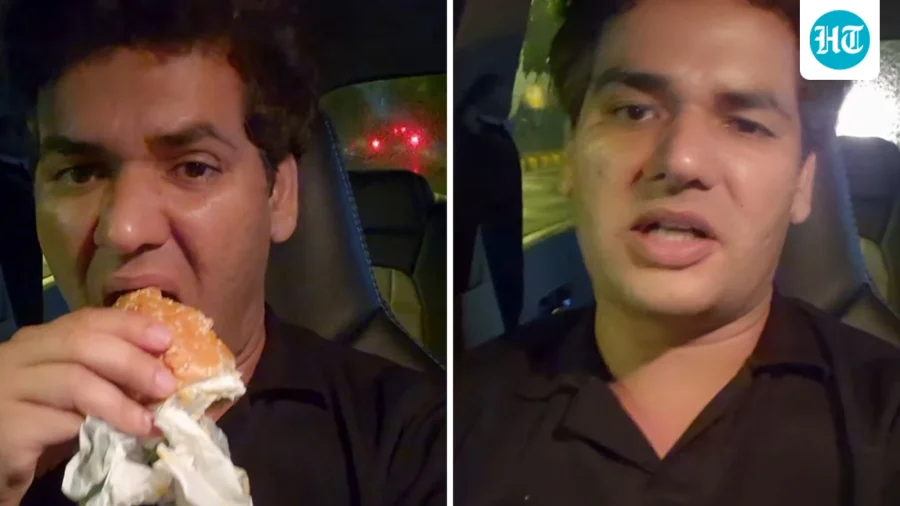
The question cut through the noise of a heated protest: “Maine burger kiun khaya?” (Why did I eat a burger?). It wasn’t a casual query. It was a sharp retort from Vijeta Dahiya, spokesperson for the Centre for Justice and Peace (CJP), aimed squarely at online trolls who had spent hours policing his meal during a demonstration.
The controversy that sparked a backlash
Dahiya, a prominent activist, was photographed eating a burger while participating in a protest. The image quickly circulated on social media, drawing criticism from users who questioned his commitment to the cause. The implication was clear: a true activist, they argued, should not be seen enjoying food during a protest.
Why the question matters beyond the burger
For many activists, protests are not brief photo opportunities. They are gruelling, hours-long affairs that demand physical stamina. Dahiya’s response highlighted a fundamental disconnect between online critics and the ground realities of activism. “You don’t understand the exhaustion,” he seemed to say, challenging the notion that personal choices during a protest should be subject to public approval.
The toll of activism: a reality check
Activists often work through exhaustion, hunger, and sleep deprivation. A burger is not a luxury; it is fuel. By questioning Dahiya’s meal, trolls inadvertently exposed a lack of understanding about the physical demands of sustained protest. The episode serves as a reminder that activism is not a performance for social media—it is a demanding, often thankless, effort.
Official response and public support
Dahiya did not issue a formal statement. Instead, his pointed question became his response. Supporters rallied behind him, arguing that the focus should remain on the protest’s cause, not on what an activist eats. The incident has since become a talking point about the double standards applied to public figures.
What this reveals about online scrutiny
The controversy is part of a larger pattern where activists are held to impossible standards. They are expected to be tireless, selfless, and beyond reproach. Any deviation—whether eating a burger or taking a break—is seized upon as evidence of insincerity. This scrutiny, critics argue, distracts from the real issues at hand.
Confirmed facts vs what remains unclear
What is confirmed: Vijeta Dahiya was photographed eating a burger during a protest. He responded to criticism with the question “Maine burger kiun khaya?”. What remains unclear is the exact date and location of the protest, as well as the full context of the trolls’ comments. The story is based on the headline and original description provided.
The wider trend of policing activists’ lives
This is not an isolated incident. Activists across India have faced similar scrutiny—from what they wear to where they live. The underlying assumption is that activism must be a full-time, ascetic pursuit. This narrative, experts say, is both unrealistic and harmful, as it discourages participation and burns out those who do engage.
What readers should take away
For those following the story, the key lesson is to question the impulse to judge activists’ personal choices. Protests are exhausting, and activists are human. Supporting a cause means understanding the sacrifices involved, not policing the small moments of respite.
What could happen next
The controversy may fade, but the conversation it sparked is unlikely to disappear. As more activists speak out about the toll of online scrutiny, the debate over what is acceptable behaviour during protests will continue. Dahiya’s question may become a rallying cry for those tired of being judged for simply being human.
Our Take
This story is not about a burger. It is about the unrealistic expectations placed on activists and the tendency to reduce complex human struggles to viral moments. Vijeta Dahiya’s response was not defensive—it was a necessary reminder that activism is not a performance. The real question is not why he ate a burger, but why we are so quick to judge those who fight for causes we claim to support.
Frequently Asked Questions
Why did Vijeta Dahiya eat a burger during a protest?
He ate to sustain his energy during a long, physically demanding protest. Activists often need food to maintain stamina during extended demonstrations.
What did Vijeta Dahiya say to trolls?
He responded with the question “Maine burger kiun khaya?” (Why did I eat a burger?), challenging the criticism and highlighting the exhaustion activists face.
Is it wrong for activists to eat during protests?
No. Eating during a protest is a practical necessity for many activists who spend hours on their feet. It does not diminish their commitment to the cause.
What does this controversy reveal about online trolling?
It shows how online critics often impose unrealistic standards on activists, distracting from the real issues and discouraging participation in social movements.