

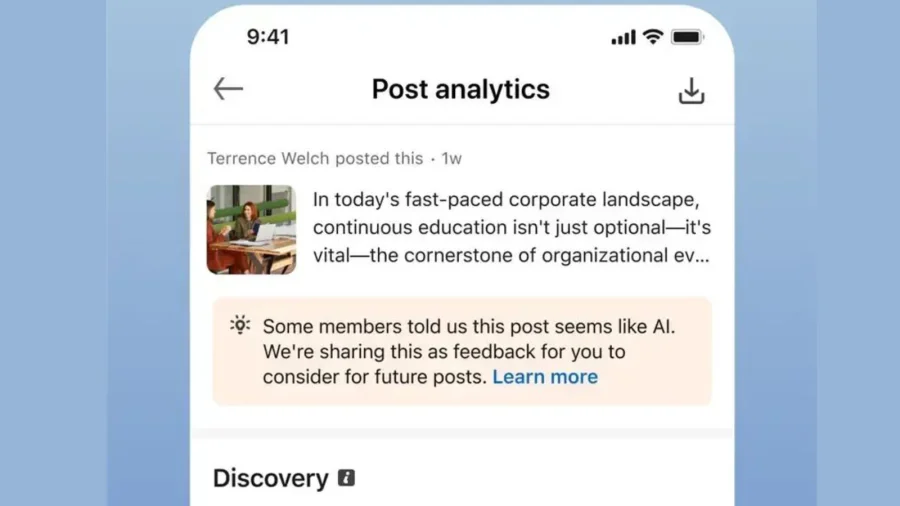
LinkedIn has confirmed that its controversial tool for managing AI-generated content — widely referred to as the "AI slop button" — is functioning as designed. The admission comes as the professional networking platform grapples with an influx of automated posts that critics say are diluting the quality of conversations.
What LinkedIn's AI Content Filter Actually Does
The feature is designed to identify and reduce the visibility of low-quality, AI-generated posts that add little value to professional discussions. According to LinkedIn, the tool helps maintain content standards by limiting the reach of repetitive or generic automated posts.
This means posts that appear formulaic — often characterised by generic motivational phrases, overused buzzwords, or templated career advice — may see reduced distribution across the platform.
Why This Matters for Everyday Professionals
For the average LinkedIn user, this development signals a shift in what kind of content gets seen. Professionals who spend time crafting thoughtful, original posts may benefit from reduced competition from automated content farms.
However, there is a legitimate concern: many users now use AI tools to help draft or polish their writing. The line between "AI-assisted" and "AI-generated" remains blurry, and some worry that legitimate users could be unfairly penalised.
How We Got Here: The Rise of AI Content on LinkedIn
Over the past year, LinkedIn has seen a surge in AI-generated posts. Many of these follow predictable patterns — inspirational quotes paired with generic career advice, or "unpopular opinion" posts that are anything but unpopular.
This trend prompted widespread criticism from long-time users who felt the platform was losing its authenticity. The "AI slop button" emerged as a response to these concerns, though LinkedIn has been relatively quiet about its specifics until now.
Who Is Affected by This Change
Content creators, thought leaders, and everyday professionals who post regularly are the primary groups affected. Those who rely on AI tools for content creation may need to reconsider their approach.
Recruiters and hiring managers who use LinkedIn to assess candidates may also notice changes, as the quality of content in their feeds could shift toward more original, human-written perspectives.
What LinkedIn Has Said About the Feature
LinkedIn has confirmed the tool is working, though the company has not released detailed metrics about how many posts have been flagged or reduced in visibility. The platform has emphasised that the goal is not to ban AI-generated content outright but to ensure quality standards are maintained.
This nuanced position suggests LinkedIn is trying to balance innovation with authenticity — a challenge many platforms are facing as generative AI becomes more widespread.
What This Really Means for the Platform's Future
The confirmation that the AI slop button is working represents a significant moment for LinkedIn. It acknowledges, publicly, that AI-generated content has become a problem the platform needs to manage.
This move could set a precedent for other social networks grappling with similar issues. If LinkedIn can successfully moderate AI content without alienating users, it may become a model for platform governance in the AI era.
What's Confirmed vs What Remains Unclear
Confirmed: LinkedIn has stated the AI content moderation feature is operational. The platform is actively applying this tool to content.
Unclear: The specific criteria used to identify "AI slop" have not been disclosed. The exact impact on user engagement metrics remains unknown. Whether the tool can distinguish between fully AI-generated content and AI-assisted human writing is still an open question.
How LinkedIn's Approach Compares to Other Platforms
LinkedIn is not alone in facing this challenge. Other major platforms, including X (formerly Twitter), Facebook, and Instagram, have all struggled with AI-generated content in different ways.
What makes LinkedIn's situation unique is its professional focus. The platform's value proposition depends on meaningful professional connections and credible expertise — both of which are undermined by low-quality automated content.
Risks and Concerns: The Other Side of the Story
Not everyone is celebrating this development. Some users have expressed concern that the tool could be overzealous, flagging legitimate content that happens to follow common formats.
Others worry about transparency. Without clear guidelines about what constitutes "AI slop," users may feel they are being judged by an opaque algorithm. There are also questions about whether the tool could be gamed by sophisticated AI systems designed to mimic human writing styles.
The Bigger Picture: AI and Authenticity Online
This story is part of a larger conversation about authenticity in the age of generative AI. As AI tools become more sophisticated, the distinction between human and machine-generated content becomes harder to draw.
LinkedIn's approach — acknowledging the problem while working to manage it — reflects a broader industry trend. The question is whether moderation tools can keep pace with AI's rapid evolution.
What Should LinkedIn Users Do Now
For professionals who want to maintain their presence on the platform, the practical advice is straightforward: focus on adding genuine value. Posts that share specific experiences, unique insights, or original perspectives are less likely to be affected by AI content filters.
If you use AI tools for drafting, consider adding a personal touch — specific examples, personal anecdotes, or unique data points — to ensure your content feels authentically yours.
What Happens Next
LinkedIn has not announced any immediate changes to the feature, but the confirmation that it is working suggests the platform will continue refining its approach. Users should expect ongoing adjustments as LinkedIn learns more about how AI content behaves on its platform.
The broader implication is clear: platforms are beginning to take AI content moderation seriously, and users will need to adapt to a landscape where authenticity carries increasing value.
Our Take
LinkedIn's confirmation that its AI slop button is working is a small but significant step in the platform's evolution. It signals that the company recognises the threat that low-quality automated content poses to its core value proposition.
However, the real test will be in execution. Can LinkedIn moderate AI content without suppressing legitimate voices? Can it be transparent about its criteria without revealing too much to those who would game the system? These are difficult questions with no easy answers.
For now, the message to users is clear: authenticity matters. In a world where AI can generate endless variations of generic professional advice, the ability to share genuine human experience becomes more valuable than ever.
Frequently Asked Questions
What is the LinkedIn AI slop button?
The "AI slop button" is a colloquial term for LinkedIn's content moderation feature that identifies and reduces the visibility of low-quality, AI-generated posts on the platform.
How does LinkedIn detect AI-generated content?
LinkedIn has not disclosed its specific detection methods, but the tool likely uses pattern recognition to identify formulaic content structures, repetitive language, and other markers commonly associated with AI-generated text.
Will my AI-assisted posts be penalised?
LinkedIn has stated it aims to maintain quality standards rather than ban AI content outright. Posts that add genuine value — even if AI-assisted — are less likely to be affected than generic, low-effort automated content.
Can I appeal if my content is flagged?
LinkedIn has not detailed a specific appeals process for content flagged by this feature. Users concerned about their content's visibility should focus on adding original insights and personal experiences to their posts.