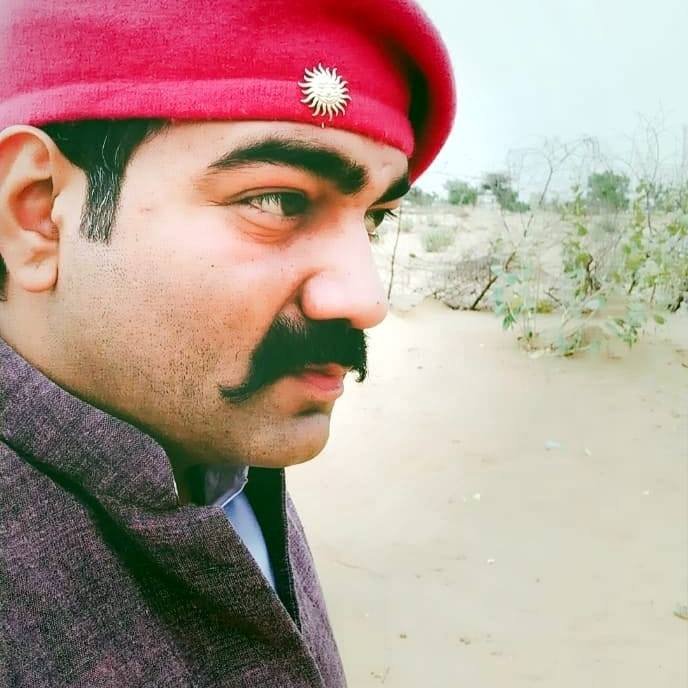

It was a sight that stopped an entire village in its tracks. High atop a nearly 200-foot mobile tower in Jharkhand’s Giridih district, a young man sat perched against the sky, refusing to come down. His demand was simple, deeply personal, and utterly non-negotiable: his family must agree to arrange his marriage with the woman he loves.
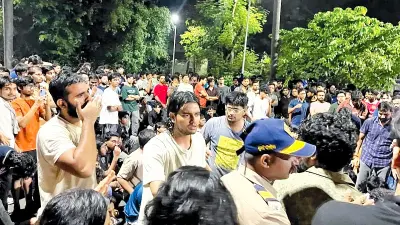
For hours, the fate of Sanjay Rajak hung in the balance, as hundreds of anxious villagers gathered below, and police scrambled to launch a rescue operation. The incident, which unfolded Monday morning in Motileda village, has sparked a mix of shock, sympathy, and debate across the region.
How a Love Story Turned Into a Tower Protest in Giridih
The drama began early in the morning when Sanjay Rajak, a local youth, climbed the towering mobile tower located under the Bengabad police station limits. According to police and eyewitnesses, he positioned himself at the very top and made his intentions clear: he would not come down until his family agreed to his marriage with his girlfriend.
Villagers who spotted him first raised the alarm, fearing a potential accident or suicide attempt. Within minutes, a crowd of hundreds had gathered at the base of the tower, their eyes fixed on the young man above. Panic spread quickly through Motileda, as neighbors and relatives pleaded with him to descend safely.
Why This Matters Right Now
This is not just a story about one man’s desperate act. It reflects a deeper, often painful reality in many parts of India: the clash between individual choice and family approval in matters of love and marriage. For countless young couples, especially in rural areas, the path to marriage is fraught with opposition, social pressure, and sometimes, extreme measures.
Sanjay Rajak’s protest has become a symbol of that struggle. It raises urgent questions about family dynamics, the emotional toll of rejection, and the lengths to which people will go to be heard. For the community in Giridih, and for many watching from afar, this incident is a stark reminder of the human cost of unresolved conflict.
Police Launch Rescue Operation as Tensions Mount
Local residents immediately alerted the Jharkhand Police, who rushed a team to the spot. Officers from the Bengabad police station arrived to find a tense, volatile situation. The youth remained defiant at the top of the tower, while the crowd below grew increasingly anxious.
Police officials said their primary concern was Sanjay’s safety. A rescue operation was launched, with officers attempting to negotiate with him from the ground. Authorities also coordinated with family members, hoping to convince him to come down peacefully. The operation required careful planning, as any sudden move could have triggered a tragedy.
“We are trying to persuade him to descend safely. Our priority is to prevent any harm,” a police official at the scene told reporters.
What We Know So Far — and What Remains Unclear
What we know:
- The youth, identified as Sanjay Rajak, climbed the tower early Monday morning.
- He demanded that his family arrange his marriage with his girlfriend.
- Hundreds of villagers gathered at the scene.
- Police launched a rescue operation and attempted negotiations.
What remains unclear:
- The exact duration of the standoff and how it was resolved.
- Whether the family has agreed to his demand.
- The identity and reaction of the girlfriend’s family.
- Any legal action that may be taken against the youth for the protest.
Risks, Concerns, and the Balanced View
While many have expressed sympathy for Sanjay Rajak’s emotional plight, the incident also raises serious concerns. Climbing a 200-foot tower is an extremely dangerous act, with a high risk of fatal falls. Police and rescue teams had to work under immense pressure to ensure his safety and that of the crowd below.
There is also the question of legal consequences. Such protests, while born of personal desperation, can be considered a public nuisance or a threat to public order. Authorities may choose to file charges, which could complicate the young man’s future even further.
On the other hand, supporters argue that the act was a cry for help from someone who felt he had no other option. The incident highlights the need for better family counseling, mental health support, and social mechanisms to resolve such disputes without resorting to extreme measures.
Why Similar Incidents Are Becoming More Common
This is not an isolated event. In recent years, several cases have emerged across India where young people have climbed towers, buildings, or other structures to protest family opposition to their relationships. These acts often go viral on social media, drawing public attention but also risking lives.
The trend points to a growing frustration among young Indians who feel trapped between traditional family expectations and their personal desires. In many rural areas, love marriages are still stigmatized, and inter-caste or inter-religious relationships face fierce resistance. Without safe channels to resolve these conflicts, some individuals resort to desperate, public displays.
“Love is not a crime, but sometimes the world makes it feel like one.” — A local villager quoted by news reports.
What Readers, Families, and Communities Should Know Now
This incident serves as a powerful reminder of the importance of open communication within families. For young people facing opposition, experts recommend seeking help from trusted elders, counselors, or community leaders before taking drastic steps. For families, it is a call to listen, to understand, and to find common ground before a situation spirals out of control.
If you or someone you know is in a similar situation, remember that there are safer ways to seek support. Helplines, legal aid, and mediation services exist to help resolve family disputes without endangering lives.
What Could Happen Next
The immediate priority for authorities is to ensure Sanjay Rajak’s safe descent. Once the standoff ends, police will likely take him into custody for questioning. Depending on the outcome, the family may be brought together for mediation. The incident could also prompt local officials to initiate dialogue between the two families.
In the longer term, this story may fuel conversations about love, marriage, and family approval in rural India. It may also lead to calls for more accessible mental health and conflict resolution services in smaller towns and villages.
Our Take: Why This Story Matters Beyond One Incident
At its heart, this is a story about love, desperation, and the human need to be heard. Sanjay Rajak’s decision to climb that tower was dangerous and extreme, but it was also a reflection of a deeper pain that many young Indians experience in silence. While we cannot condone the risk he took, we can understand the emotion behind it.
This incident should not be dismissed as a mere spectacle. It is a signal — a warning that when young people feel they have no voice, they will find a way to shout from the rooftops. The real question is whether society is ready to listen before someone falls.
FAQs
Why did the Jharkhand youth climb the mobile tower?
Sanjay Rajak climbed the 200-foot tower in Giridih to pressure his family into agreeing to his marriage with his girlfriend. He refused to come down until his demand was accepted.
Was the youth rescued safely from the tower?
Police launched a rescue operation and attempted negotiations. The exact outcome of the standoff is still being reported, but authorities prioritized his safe descent.
What legal action can be taken against someone who climbs a tower in protest?
Depending on the circumstances, such acts can lead to charges of public nuisance, trespassing, or endangering public safety. However, authorities often consider the emotional context before filing charges.
What should families do if a young person faces opposition to their marriage?
Families are encouraged to engage in open, respectful dialogue. Seeking mediation from community elders, counselors, or legal advisors can help resolve conflicts without resorting to extreme measures.