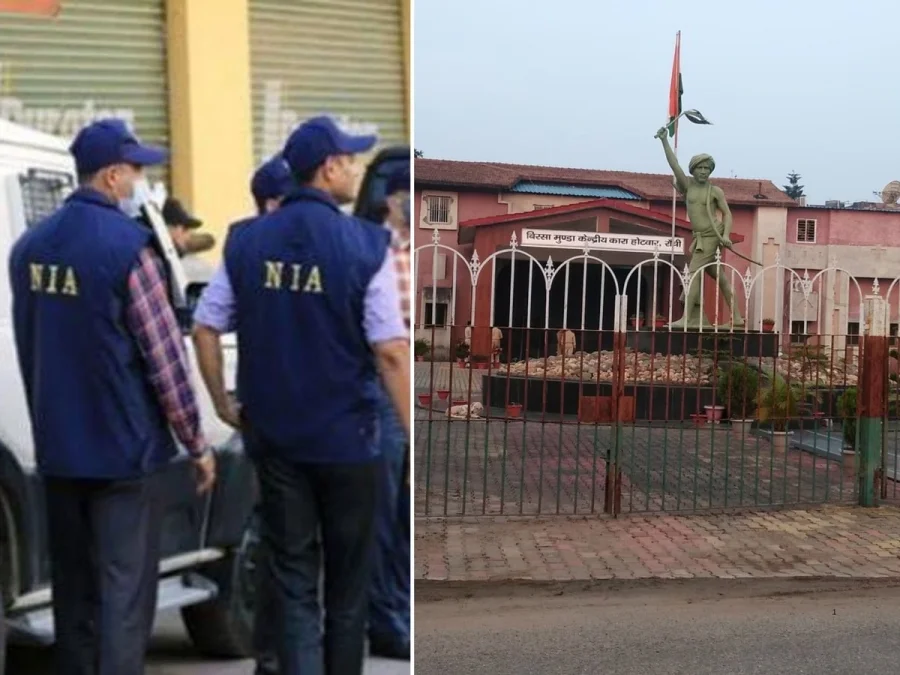
In a chilling revelation that underscores the reach of organized crime, the National Investigation Agency (NIA) has disclosed that a devastating attack on a colliery in Jharkhand was masterminded not from a hideout, but from inside two of the state's most secure prisons. The plot, hatched by gangsters lodged in Ranchi and Jamshedpur jails, has sent shockwaves through the security establishment.
The Jailhouse Conspiracy: How the Colliery Attack Was Planned
The NIA's investigation has traced the origins of the colliery attack directly to the prison cells of Ranchi and Jamshedpur. According to agency sources, the gangsters used their existing networks, possibly through coded messages, smuggled phones, or visitor meetings, to coordinate the assault. The attack itself was described as "brutal," targeting a colliery in the state's mineral-rich belt.
Why This Matters: The Erosion of Prison Security
This case exposes a critical vulnerability in India's prison system. If gangsters can orchestrate major violent crimes from behind bars, it signals a failure of surveillance and intelligence. For residents of Jharkhand's mining areas, this means the threat of organized crime remains potent, even when its leaders are supposedly incarcerated. The financial and social cost of such attacks on the coal industry, a lifeline for the state's economy, is immense.
From Ranchi to Jamshedpur: The Two Jails at the Center of the Plot
The conspiracy involved inmates from two of Jharkhand's most prominent correctional facilities: the Birsa Munda Central Jail in Ranchi and the Jamshedpur Central Jail. The NIA is now investigating how these individuals, separated by geography, managed to communicate and coordinate. The probe is expected to focus on the role of prison staff and the methods used to bypass security protocols.
Who Is Affected? The Human Cost of a Jail-Run Crime Network
Beyond the immediate victims of the colliery attack, this conspiracy affects the entire community. Miners and their families now face heightened fear. Law-abiding citizens question the state's ability to protect them. The revelation also puts pressure on the Jharkhand prison administration, which must now answer for how its facilities became command centers for criminal activity.
NIA's Investigation: Unraveling the Web of Deceit
The NIA has taken over the case, signaling its national security implications. The agency's disclosure is a significant step, but the full picture is still emerging. Investigators are likely analyzing call data records, financial transactions, and the roles of associates outside the prison walls. The agency has not yet named the specific gangsters involved, but the investigation is expected to lead to a detailed chargesheet.
Confirmed Facts vs What Remains Unclear
Confirmed: The NIA has stated that gangsters in Ranchi and Jamshedpur jails conspired to carry out the colliery attack. The attack did occur and was violent. Unclear: The exact identities of the masterminds, the specific method of communication used, the full list of co-conspirators outside the jail, and the precise timeline of the plot remain under investigation. All details beyond the NIA's official disclosure are speculative at this stage.
Risks and a Balanced View on Prison Security
While this case highlights a serious security lapse, it is important to note that not all prisons are equally compromised. The Jharkhand administration has previously taken steps to curb mobile phone use in jails. However, this incident proves that determined criminal networks can still find loopholes. The risk is that such revelations could erode public trust in the justice system, while also inspiring copycat plots in other states.
The Wider Pattern: Crime Networks Operating from Inside Prisons
This is not an isolated incident. Across India, there have been numerous cases of gangsters running extortion, drug, and murder rackets from their prison cells. From the infamous cases in Uttar Pradesh and Punjab to this latest Jharkhand example, the pattern is clear: prisons are no longer just places of punishment but are increasingly becoming nerve centers for criminal enterprises. This case adds a new, violent dimension—directly orchestrating physical attacks on industrial targets.
What Should Be Done Now? Practical Steps for Authorities
For the Jharkhand government and prison authorities, the immediate steps are clear: conduct a thorough audit of communication channels in Ranchi and Jamshedpur jails, install signal-jamming technology, and tighten visitor protocols. For the public, this is a reminder to remain vigilant. The NIA's investigation must be allowed to run its course without political interference to ensure all conspirators, inside and outside the jail, are brought to justice.
Future Outlook: What Happens Next in the Probe
The NIA is expected to file a comprehensive chargesheet in the coming months. This will likely name the key conspirators and detail the conspiracy's mechanics. The case could also lead to a broader review of prison security across Jharkhand and potentially other states. Legal experts anticipate that the accused will face charges under the Unlawful Activities (Prevention) Act (UAPA), given the NIA's involvement.
Our Take
This revelation is a stark reminder that the fight against organized crime cannot be won solely by locking up kingpins. The prison system itself must be fortified. The NIA's disclosure is a victory for investigative journalism and law enforcement, but it also lays bare a systemic weakness. The real test will be whether this leads to concrete reforms or just another report that gathers dust. For the people of Jharkhand, the question is simple: if the state cannot secure its prisons, how can it secure its streets and mines?
Frequently Asked Questions
What did the NIA reveal about the Jharkhand colliery attack?
The NIA revealed that the attack on a colliery in Jharkhand was planned by gangsters who were already imprisoned in the Ranchi and Jamshedpur central jails.
Which jails were involved in the conspiracy?
The conspiracy was hatched from the Birsa Munda Central Jail in Ranchi and the Jamshedpur Central Jail.
Why is this case significant for prison security in India?
It demonstrates that high-profile criminals can still orchestrate violent crimes from inside prison, highlighting major gaps in surveillance and communication control within the jail system.
What are the next steps in the NIA investigation?
The NIA will continue to probe the network of associates outside the jail, analyze communication records, and is expected to file a detailed chargesheet under the UAPA.