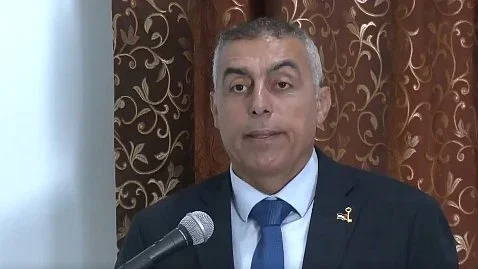
The Palestinian Ambassador to India, Abdullah M. Abu Shawesh, stood before the press in New Delhi on Thursday and delivered a stark warning: Gaza’s healthcare system is no longer just struggling — it has collapsed. "If not now, then when?" he asked, directly appealing to India and the international community to step up humanitarian aid before the crisis becomes irreversible.
‘Catastrophic collapse’ of Gaza’s healthcare system
Ambassador Shawesh described the situation in the Occupied Palestinian Territory as a "catastrophic collapse" of the health infrastructure. He said the ongoing Israeli military offensive has left hospitals without power, medicine, or clean water, and medical staff are working under impossible conditions. The envoy’s remarks came a day after reports of an interim agreement between the US and Iran, though he stressed that the humanitarian emergency in Gaza remains acute and demands immediate action.
Why this plea matters for India and the world
The appeal is not just a diplomatic request — it is a moral and strategic call. India has historically maintained a balanced position on the Israel-Palestine conflict, supporting a two-state solution while also building ties with Israel. Ambassador Shawesh invoked Prime Minister Narendra Modi’s "Aarogya" (health) vision, urging New Delhi to translate its global health leadership into concrete action for Gaza. For Indian readers, this raises a question: how should India balance its diplomatic relationships with its humanitarian commitments?
How the health crisis unfolded
The healthcare system in Gaza has been under severe strain for months. According to the Palestinian envoy, over 12,000 bodies remain trapped under rubble, and damaged cemeteries have left human remains exposed, creating a secondary public health emergency. Hospitals are running on minimal fuel, and critical supplies like anaesthetics, antibiotics, and blood bags are nearly exhausted. The World Health Organization has previously warned that the health crisis in Gaza will last for generations.
Who is affected and what it means for ordinary people
For the 2.3 million people in Gaza, the collapse of the health system means that even basic medical care is now a luxury. Pregnant women are giving birth without medical assistance. Children with chronic illnesses are going untreated. The injured from airstrikes are dying not from their wounds, but from infections and lack of surgery. The psychological toll is equally devastating, with entire generations growing up in a state of constant trauma.
What the Palestinian ambassador said
"The healthcare system in the Occupied Palestinian Territory has suffered a catastrophic collapse," Ambassador Shawesh told reporters in New Delhi. He called on India to "play a more active role in humanitarian relief efforts and initiatives aimed at restoring peace in the region." The envoy specifically referenced PM Modi’s emphasis on health and well-being, suggesting that India’s leadership in global health — seen during the COVID-19 vaccine drive — should now extend to Gaza.
What this appeal means for India’s foreign policy
India has walked a careful line in the Israel-Palestine conflict. It has condemned terrorism and supported Israel’s right to self-defence, while also reiterating support for a two-state solution and Palestinian statehood. This appeal puts pressure on New Delhi to take a more visible humanitarian role. For Indian diplomats, the challenge is to provide aid without being seen as taking sides in a deeply polarised conflict. The ambassador’s invocation of "Aarogya" is a strategic framing, linking the request to India’s own developmental priorities.
Confirmed facts vs what remains unclear
Confirmed: The Palestinian Embassy in India has formally appealed for humanitarian and medical aid. Ambassador Shawesh stated that over 12,000 bodies are trapped under rubble. The healthcare system is described as having suffered a "catastrophic collapse." Unclear: The exact quantity of aid India has already provided or plans to provide. The status of any new Indian aid package. The specific timeline for any international response to this appeal. All claims about the number of bodies and the state of cemeteries come from the Palestinian envoy and have not been independently verified by Indian or international agencies at this stage.
India’s historical role in Palestinian humanitarian aid
India has a long history of supporting Palestine, including financial aid, medical supplies, and contributions to UN relief agencies. In recent years, India has provided $5 million annually to the UN Relief and Works Agency (UNRWA) and has sent multiple shipments of medicines and food. However, the scale of the current crisis — with the health system in total collapse — demands a response far beyond routine contributions. The ambassador’s appeal suggests that India’s existing aid is not reaching those in need due to access restrictions and the intensity of the conflict.
Risks and balanced view of the appeal
While the humanitarian need is undeniable, the appeal also carries political weight. Critics may argue that aid alone cannot solve the crisis without a ceasefire and a political resolution. Others point out that India must also consider its strategic partnership with Israel, which includes defence and technology cooperation. The ambassador’s framing of the crisis as a health emergency is an attempt to depoliticise the request, but the reality is that any aid delivery will be entangled in the broader conflict. There is also the risk that aid could be diverted or blocked at checkpoints, as has happened in previous conflicts.
Wider pattern: The global health crisis in conflict zones
Gaza is not an isolated case. From Yemen to Sudan to Ukraine, health systems in conflict zones are being systematically destroyed. The WHO has repeatedly warned that attacking healthcare infrastructure violates international humanitarian law. The collapse in Gaza is part of a broader trend where hospitals become battlegrounds, and civilians bear the brunt. For the international community, the question is whether the response will be reactive — sending aid after the collapse — or preventive, by enforcing protections for medical facilities.
What Indian readers and policymakers should do now
For Indian citizens, the appeal is a reminder to stay informed and support credible humanitarian organisations working in Gaza. For policymakers, the immediate step is to assess how existing aid can be delivered more effectively, possibly through UN agencies or the Red Cross. The government could also use its diplomatic channels to push for humanitarian corridors and the protection of medical staff. For students and researchers, this is a case study in the intersection of foreign policy, humanitarian law, and public health.
What could happen next
If India responds positively, it could send a strong signal of its commitment to humanitarian principles, potentially strengthening its standing in the Global South. However, any aid package will need to navigate the complex logistics of delivering supplies into a war zone. The international community, including the US and the UN, is also under pressure to act. Without a ceasefire, even the most generous aid will only be a temporary fix. The ambassador’s question — "If not now, then when?" — hangs over every future decision.
Our Take
This appeal is more than a diplomatic note — it is a test of India’s moral leadership. India has long positioned itself as a voice for the developing world and a champion of humanitarian causes. The Gaza health crisis offers an opportunity to translate that rhetoric into action. But it also exposes the limits of aid without peace. The ambassador’s invocation of "Aarogya" is clever, but health cannot be separated from the politics of war. India must decide whether it will be a reactive donor or a proactive peacemaker. Either way, the clock is ticking.
Frequently Asked Questions
Why is Palestine asking India for aid now?
Palestine is asking India for aid because Gaza’s healthcare system has suffered a "catastrophic collapse" due to the ongoing Israeli military offensive. The Palestinian ambassador in New Delhi made a direct appeal, citing India’s historical support and Prime Minister Modi’s health vision.
What is the current state of Gaza’s healthcare system?
According to the Palestinian envoy, the healthcare system is in a state of catastrophic collapse. Hospitals lack power, medicine, and clean water. Over 12,000 bodies are reportedly trapped under rubble, and damaged cemeteries have left remains exposed, creating a public health emergency.
How has India responded to the Gaza crisis so far?
India has historically provided financial aid to UNRWA and sent medical supplies to Palestine. However, the scale of the current crisis demands a more significant response. The government has not yet announced a new aid package in response to this specific appeal.
Can India provide aid without affecting its relationship with Israel?
India has maintained a balanced foreign policy, supporting a two-state solution while also building strategic ties with Israel. Humanitarian aid to Gaza is generally seen as a non-political act, but it could still create diplomatic friction. India will likely frame any aid as a purely humanitarian gesture.