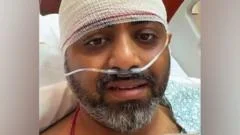
Some decisions in a cockpit are measured in seconds, and Capt Smit Machchhar's was one of them. The Flydubai pilot has described how his own co-pilot attacked him mid-flight — and how, in that moment, he chose to open the cockpit door rather than seal it.
His reason, as he told Indian Prime Minister Narendra Modi, was simple: "I was not going to let others die."
A Cockpit Confrontation at 30,000 Feet
According to the account, the attack came from inside the flight deck itself — the one space on a commercial aircraft where trust between two pilots is assumed to be absolute. Machchhar has said his co-pilot turned on him during the flight.
What followed was a decision that runs against the instinct drilled into every crew member since the cockpit door became a fortress after 9/11: he opened it.
Why Opening the Door Was the Harder Choice
Modern cockpit doors are designed to stay locked. They exist to keep intruders out, not to let people in. Opening one during an active threat means deliberately breaking the barrier that protects the flight deck.
Machchhar's stated reasoning reframes the moment. The door was not a shield for him alone — it was a barrier between the danger and everyone else on board. Letting others in, in his telling, meant sharing the risk rather than leaving passengers and crew to face it alone.
How the Story Reached the Prime Minister
The pilot's account was given directly to Narendra Modi, according to the original story. That detail matters: it places the episode in front of India's highest political office, not merely within an airline's internal reporting chain.
Beyond that conversation, the available source material does not specify when the incident occurred, which route was involved, or how many people were on board.
Who This Story Belongs To
For frequent flyers, the cockpit is an abstraction — a locked door at the front of the cabin. This account pulls it open, briefly, to show the people inside making choices under pressure.
For crew members and their families, the detail that cuts deepest is the identity of the attacker. The threat did not come from a passenger. It came from the person sitting inches away.
What Has and Has Not Been Confirmed
Confirmed by the source: Capt Smit Machchhar is a Flydubai pilot; he described a cockpit attack by his co-pilot; he told PM Modi he opened the cockpit door to let others in; and he said he was not going to let others die.
Not established in the source: the date and route of the flight, the co-pilot's identity or current status, whether anyone was injured, and whether any investigation or regulatory review is under way. Any claims beyond the above should be treated as unverified.
The Uncomfortable Question Airlines Avoid
Aviation security is built on the assumption that the two people in the cockpit can rely on each other. When that assumption fails, the entire layered system — locked doors, crew protocols, ground monitoring — is tested from the inside out.
This account does not resolve that question. It simply puts it on the record, in the pilot's own words.
A Pattern the Industry Watches Closely
Incidents involving pilot conduct have drawn heightened scrutiny in recent years, with regulators and carriers revisiting mental health support, crew pairing, and reporting culture. Each new account adds pressure to those conversations.
Whether this episode leads to any procedural change depends on findings that have not yet been made public.
What Readers Should Take From This
Treat the pilot's statement as a first-person account, not a completed investigation. It is significant because of who said it and to whom — but it is one side of a story that has not been fully documented in the public domain.
Until official statements emerge, the responsible position is to hold the account as reported and wait for verification.
What Could Come Next
Clarity would most likely arrive through an airline statement, an aviation regulator's comment, or a formal investigation report. None of these have been confirmed in the source material available.
For now, the story rests on a single sentence from a pilot describing why he chose to open a door he was trained to keep shut.
Our Take
The headline will be read as heroism, and the pilot's words invite that reading. But the more durable value of this story is the question it leaves behind: how does an industry designed around mutual trust inside the cockpit respond when that trust breaks — and what does it owe the crew who have to make the call in real time?
That question outlasts the headlines, and it deserves an answer grounded in evidence rather than admiration alone.
Frequently Asked Questions
Who is Capt Smit Machchhar?
He is a Flydubai pilot who has described being attacked in the cockpit by his co-pilot and recounted the episode to Indian Prime Minister Narendra Modi.
What exactly did the Flydubai pilot say?
He said he opened the cockpit door to let others in during the attack, explaining that he was not going to let others die.
Was anyone injured in the incident?
The available source material does not state whether anyone was injured. That detail has not been confirmed.
Has Flydubai or any aviation authority responded?
No official response from Flydubai or an aviation regulator is confirmed in the source provided. Readers should wait for verified statements before drawing conclusions.