
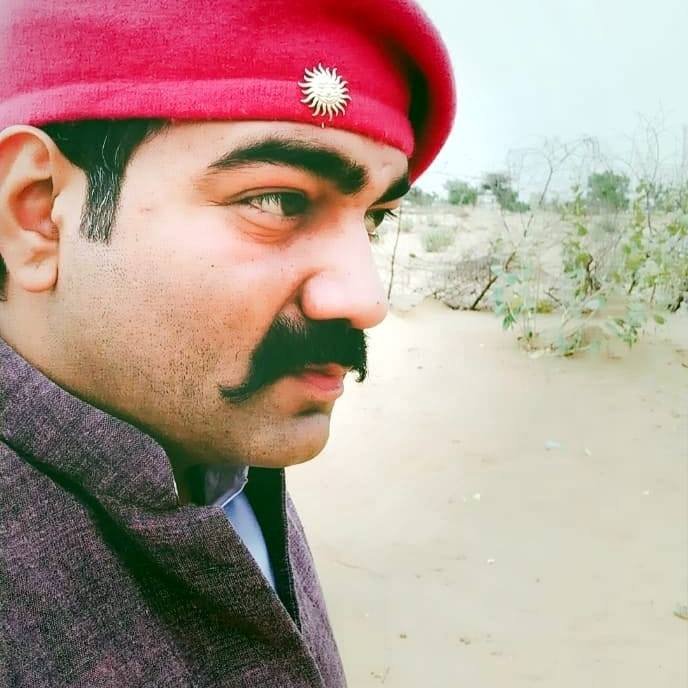

When he told his parents he was skipping college to start a company at 18, they saw it as reckless. Instead of campus life, his late teens were spent cold-calling clients and calculating ROI. Six companies and hundreds of employees later — having never worked for anyone else — he says it was the right call. But the path was lonelier and harder than most imagine.
The Friday Night That Defined Everything
While friends were at parties, he was on the phone with potential clients, pitching a business that barely existed. “For a long time, it felt like an unconventional choice,” he recalls. The loneliness of those early years is something he says few people talk about — the absence of a safety net, the constant self-doubt, the pressure of being the only one responsible for the outcome.
Why the Degree Debate Is No Longer Academic
His argument is blunt: a university degree no longer guarantees a job. Student loans are rising, graduate employment is shrinking, and AI is making essay-writing — a core academic skill — increasingly redundant. The gap between what is taught in school and what is actually needed in the marketplace, he believes, has never been wider.
Six Companies, Hundreds of Employees, Zero Degrees
Over the years, he built and exited multiple ventures, each one teaching him something no classroom could. He learned negotiation by losing deals, leadership by failing to retain talent, and resilience by surviving near-collapse. “You don’t learn cash flow management from a textbook,” he says. “You learn it when you can’t make payroll.”
The Human Cost of Skipping College
He is careful not to romanticize the path. The trade-offs were real: missed friendships, delayed social development, and a constant sense of being out of sync with peers his age. “I didn’t have rites of passage,” he says. “I had quarterly targets.” For young people considering this route, he emphasizes that the emotional toll is as significant as the financial risk.
What He Would Tell His 18-Year-Old Self
Looking back, he says he would still make the same choice — but with more self-compassion. “I’d tell myself that it’s okay to not have it all figured out. That failure is data, not identity. And that the people who call you reckless today might be working for you tomorrow.”
Why This Story Matters for India’s Young Workforce
In India, where millions of graduates compete for limited jobs and the startup ecosystem is booming, this story resonates deeply. The question of whether college is worth it is no longer theoretical — it’s a daily calculation for students and parents alike. This founder’s journey offers a real-world data point in that debate, not as a prescription, but as a perspective.
Confirmed Facts vs What Remains Unclear
Confirmed: The founder skipped college at 18, founded six companies, achieved multiple exits, and employed hundreds of people. He has never worked as an employee. Unclear: The specific names of the companies, the nature of the exits (acquisition, IPO, etc.), and the timeline of each venture are not disclosed in the source material. The financial details of the exits are also not provided.
The Real Differentiator: Learning by Doing
The founder’s core advantage, he argues, was not intelligence or luck — it was the willingness to learn in real-time, with real consequences. Every mistake cost money. Every win taught a repeatable lesson. This experiential learning, he believes, is far more valuable than theoretical knowledge for building a business.
Risks and a Balanced View
This is not a story for everyone. The founder acknowledges that his path is high-risk and not replicable for most. Many who skip college end up in worse financial positions. The safety net of a degree — even if imperfect — still exists for many careers. Critics would argue that his success is survivorship bias, and that for every founder who makes it, dozens fail without a degree to fall back on.
The Bigger Pattern: Education vs. Employability
His story is part of a larger global conversation about the mismatch between formal education and the skills employers actually need. From coding bootcamps to online certifications, alternatives to college are multiplying. The question is no longer whether college is obsolete, but whether it is the best option for every individual.
What Young Aspiring Founders Should Do Now
For those considering a similar path, the founder offers practical advice: start small, validate your idea before quitting anything, build a network of mentors, and be brutally honest about your risk tolerance. “Don’t skip college because you’re afraid of it,” he says. “Skip it because you have a better plan.”
What Could Happen Next
As AI continues to reshape the job market, the pressure on traditional education will only grow. More young people may follow this founder’s path, and more investors may fund founders without degrees. But the debate will likely intensify, with no one-size-fits-all answer emerging.
Our Take
This founder’s story is not a manifesto against college — it’s a reminder that success is not linear. The real lesson is not about skipping school, but about the courage to bet on yourself when the odds are stacked against you. In a world where the rules are changing faster than institutions can adapt, that kind of self-belief may be the most valuable education of all.
Frequently Asked Questions
Is it possible to succeed as an entrepreneur without a college degree?
Yes, as this founder’s story shows, but it is high-risk and not guaranteed. Success depends on the individual’s skills, network, market timing, and resilience. Many successful entrepreneurs, including Steve Jobs and Mark Zuckerberg, also dropped out of college — but they are the exception, not the rule.
What are the biggest risks of skipping college to start a company?
The main risks include lack of a safety net, missed social development, difficulty accessing capital without credentials, and the emotional toll of isolation. If the business fails, the founder may have no degree to fall back on, making it harder to find traditional employment.
How can a young person decide if skipping college is right for them?
Experts recommend starting a side business or project while still in school to test the waters. If the venture shows real traction and the individual has a clear plan, mentorship, and financial runway, it may be worth considering. Otherwise, completing a degree while building on the side is often the safer path.
What alternatives to college exist for aspiring entrepreneurs?
Options include online courses (Coursera, Udemy), coding bootcamps, startup accelerators, apprenticeships, and self-directed learning through books and mentorship. Many successful founders also learn by working at a startup before launching their own venture.