The political battle over one of India's most ambitious island development projects has intensified, with the Congress now demanding a complete halt to work on Great Nicobar Island. The party's communications chief and former environment minister Jairam Ramesh did not mince words — calling the project a "grave ecological folly" that must be abandoned in the national interest.
What the Congress is saying about the Great Nicobar project
In a post on X, Ramesh said: "There seems to be no end to the march of grave ecological folly in Great Nicobar." He alleged that the project was being "bulldozed through" after environmental and forest clearances were granted, despite what he described as continuing legal and ecological concerns.
The demand to scrap the project marks a significant political escalation. Ramesh, who served as environment minister during the UPA government, brings both political weight and environmental expertise to the criticism.
Why Great Nicobar Island matters to India's strategic and economic plans
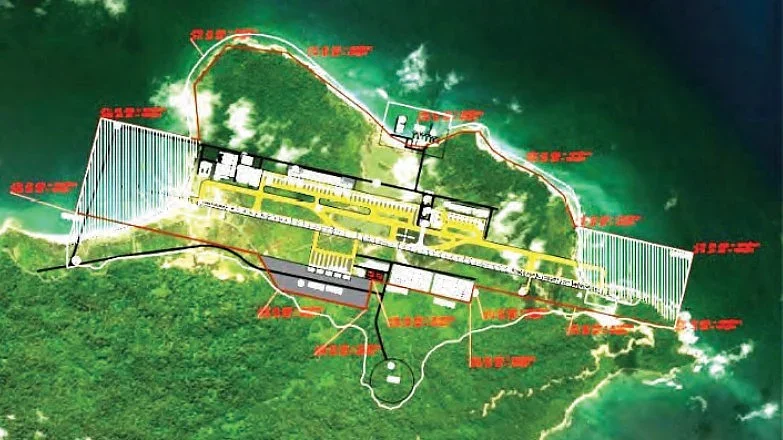
The Great Nicobar Island Development Project is not a small undertaking. It envisages a transshipment port capable of handling major container ships, an international airport, and substantial tourism infrastructure. For the Modi government, the project is positioned as a strategic gateway — improving India's maritime presence in the Indian Ocean region while creating economic activity in the Andaman and Nicobar Islands.
Supporters argue the transshipment port could capture traffic that currently goes to Colombo, Singapore and Port Klang. The airport would improve connectivity to India's eastern maritime frontier. But critics say the ecological cost is simply too high.
The ecological concerns that refuse to go away
Great Nicobar is not an ordinary island. It hosts pristine tropical rainforests, indigenous Shompen and Nicobarese communities, and unique biodiversity found nowhere else on Earth. Environmental groups have repeatedly warned that large-scale construction would irreversibly damage the island's ecosystems.
The legal challenges have been persistent. Petitions have been filed questioning the adequacy of environmental impact assessments and the clearance process itself. The National Green Tribunal has been involved in examining aspects of the project's approvals.
Who is affected by the Great Nicobar development decision
For the indigenous communities of Great Nicobar, this is not an abstract policy debate. The Shompen people, in particular, are a particularly vulnerable tribal group whose way of life is deeply connected to the island's forests. Any large-scale infrastructure development carries the risk of displacement and cultural disruption.
For the broader Indian public, the project represents a tension between two national priorities — development and environmental protection. The Congress argument is that these priorities are not being balanced properly.
What the government has said in defence of the project
The government has consistently defended the project as essential for national security and economic development. Officials have pointed to the strategic importance of having a major port and airport in the region, particularly given China's growing presence in the Indian Ocean.
Environmental clearances were granted after what authorities described as thorough assessments. The government has also committed to measures aimed at minimising ecological damage and protecting indigenous communities.
Why this political intervention matters now
The Congress demand comes at a time when the project is already under legal scrutiny. By framing the issue in terms of "national interest," the party is attempting to shift the debate — arguing that protecting the island serves India better than developing it.
Ramesh's personal history as a former environment minister adds credibility to the criticism. He has been a consistent voice on environmental issues, and his involvement signals that the Congress intends to make this a sustained political issue.
Confirmed facts versus what remains unclear
What is confirmed: The Congress has formally called for the project to be halted. Ramesh has publicly described it as an ecological folly. The project includes a transshipment port, airport and tourism infrastructure. Legal challenges have been raised against the project's clearances.
What remains unclear: The exact current status of construction work on the island. The full extent of environmental damage that has already occurred, if any. Whether the Congress demand will translate into any concrete political or legal action. The government's formal response to this specific demand has not yet been detailed.
Development versus ecology — a recurring Indian dilemma
This is not the first time India has faced this conflict. From the Narmada dam to mining in forest belts, the tension between infrastructure and environment has been a recurring theme in Indian governance. The Great Nicobar project sits squarely within this pattern.
What makes this case distinct is the island's isolation and ecological uniqueness. There is no easy middle ground — once the forests are cleared and the coastline is modified, the damage is effectively irreversible.
What should citizens and observers watch for next
For those following the issue, the key developments to track are: the next court hearing on the legal challenges, any fresh environmental impact assessments, statements from the Ministry of Environment, and whether the Congress moves beyond rhetoric to file formal objections or petitions.
For residents of the Andaman and Nicobar Islands, the practical question is how the project — if it proceeds — will affect local livelihoods, land rights and access to resources.
Future outlook for the Great Nicobar project
The project is unlikely to be halted simply because the Congress has demanded it. The government has shown strong commitment to pushing infrastructure projects forward. However, the combination of legal challenges, political opposition and ecological concerns could slow the timeline or force modifications.
The most realistic scenarios are: the project proceeds with enhanced environmental safeguards, or the courts impose conditions that significantly alter its scope. A complete abandonment appears unlikely under the current government.
Our Take
The Congress demand to halt the Great Nicobar project is politically significant but practically limited. The government has the numbers and the will to continue. Yet the underlying questions raised by Ramesh deserve serious engagement — not dismissal.
India needs strategic infrastructure, but it also needs honest accounting of ecological costs. The Great Nicobar project will be judged by history on whether it balanced these competing demands responsibly. For now, the debate has been sharpened — and that itself is a useful outcome.
Frequently Asked Questions
Why is the Congress demanding a halt to the Great Nicobar project?
The Congress, through leader Jairam Ramesh, has called for the project to be abandoned, describing it as a "grave ecological folly" that is being pushed through despite environmental and legal concerns.
What does the Great Nicobar Island development project include?
The project envisages a transshipment port for major container ships, an international airport, and extensive tourism infrastructure on Great Nicobar Island.
What are the main environmental concerns about the project?
Critics point to the island's pristine rainforests, unique biodiversity, and indigenous Shompen and Nicobarese communities that could be harmed by large-scale construction and development.
Is the Great Nicobar project currently under legal challenge?
Yes, petitions have been filed questioning the adequacy of environmental impact assessments and the clearance process, with the National Green Tribunal examining aspects of the approvals.