A strike in Gaza City has left several people dead, including at least five children, according to local hospital officials. The Israeli military said the operation was aimed at a senior Hamas commander in the area.
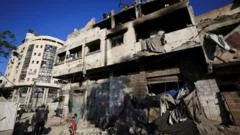
The attack, which hit an apartment building and a nearby vehicle in the Rimal district, has drawn immediate attention for its proximity to medical facilities and the reported toll on civilians.
What Happened in Gaza City’s Rimal District
Medics in Gaza City reported that Israeli strikes struck an apartment in the Rimal area and a vehicle on a street nearby. The target, according to Israeli officials, was Izz al-Din al-Haddad, the leader of Hamas in the Gaza Strip.
Hospital sources said at least seven people were killed and more than 50 others were wounded. Among the dead were five children, a detail that has amplified concerns about civilian casualties in densely populated urban areas.
Why This Matters Right Now
This strike is significant not only because of the high-profile target but also because of the location. The Rimal district is a residential and commercial hub in Gaza City, and the presence of hospitals nearby raises urgent questions about the protection of medical facilities and civilians under international law.
The reported deaths of children add a deeply emotional layer to an already volatile situation. For families in Gaza, this incident reinforces the daily risks faced by civilians, especially in areas where military targets are believed to be operating.
How the Situation Developed
The strike occurred on May 15, 2026, according to reports. Israeli forces confirmed the operation was part of a broader campaign to target Hamas leadership in the Gaza Strip. The identification of Izz al-Din al-Haddad as the intended target marks one of the highest-profile assassination attempts in the current conflict.
Witnesses described scenes of chaos as rescue workers rushed to pull survivors from the rubble. The strike hit during a time when many families were likely at home, contributing to the high number of casualties.
Who Is Affected and What Officials Are Saying
The immediate victims are the families of those killed and wounded in the strike. Hospital staff in Gaza City are struggling to treat the influx of injured, many of whom are in critical condition.
Israeli officials have not commented extensively on the civilian casualties but have reiterated their commitment to targeting Hamas leaders. Palestinian authorities have condemned the strike, calling it a violation of international law.
International organizations, including the United Nations, have previously called for restraint and the protection of civilians in conflict zones. This incident is likely to renew those calls.
What We Know So Far — and What Remains Unclear
Confirmed details include the location of the strike, the identity of the targeted Hamas commander, and the reported death toll from local medics. The Israeli military has acknowledged the operation.
What remains unclear is the exact number of civilian casualties, the full extent of injuries, and whether the strike was intended to minimize collateral damage. Independent verification is difficult due to restricted access to the area.
Risks, Concerns, and the Balanced View
The primary risk is further escalation. Targeting a senior Hamas leader could provoke retaliatory attacks, potentially leading to a wider cycle of violence. For civilians, the danger is immediate and ongoing.
From Israel’s perspective, the operation is framed as a necessary step to degrade Hamas’s military capabilities. Critics argue that such strikes, especially in civilian areas, risk undermining international support and causing long-term harm to civilian populations.
The balance between military necessity and civilian protection remains a deeply contested issue in this conflict.
Why Similar Trends Are Increasing
This strike is part of a broader pattern of targeted killings in urban environments. As military operations shift to densely populated areas, the risk to civilians increases. Both sides in this conflict have been accused of tactics that endanger non-combatants.
The use of airstrikes in residential neighborhoods has become a recurring feature of the conflict, drawing repeated condemnation from human rights groups.
- This strike is one of several recent operations targeting Hamas leadership in Gaza.
- Civilian casualties have been a consistent point of international criticism.
- Medical facilities in Gaza are under increasing strain from repeated attacks.
"Medics in Gaza said seven people were killed and at least 50 others were wounded." — Local hospital officials
What Readers, Users, or Investors Should Know Now
For those following the conflict, this incident underscores the volatility of the situation. The targeting of a senior Hamas leader could signal a shift in Israeli military strategy, with potential implications for ceasefire negotiations and regional stability.
For humanitarian observers, the reported death of children is a stark reminder of the human cost of the conflict. Advocacy groups are likely to use this incident to push for stronger protections for civilians.
What Could Happen Next
The immediate aftermath will likely involve a surge in retaliatory attacks from Hamas or other militant groups. The international community may call for an investigation into the civilian casualties.
In the longer term, this strike could either escalate the conflict or, if the targeted leader is neutralized, create a temporary power vacuum within Hamas. The response from both sides will determine the trajectory of the coming weeks.
Our Take: Why This Story Matters Beyond One Incident
This strike is not an isolated event. It represents a recurring dilemma in modern warfare: how to target military leaders without causing unacceptable civilian harm. The reported deaths of five children are not just a statistic; they are a human tragedy that reflects the broader cost of this conflict.
The story matters because it forces a reckoning with the consequences of military operations in civilian areas. For the families in Gaza City, the strike is a personal catastrophe. For the world, it is a reminder that the search for security often comes at a devastating price.
FAQs
Why did Israel target a Hamas leader in Gaza City?
Israel confirmed the strike was aimed at Izz al-Din al-Haddad, the leader of Hamas in the Gaza Strip, as part of its ongoing campaign to degrade Hamas’s military and leadership capabilities.
How many people were killed in the Gaza City hospital strike?
Local medics reported at least seven people killed, including five children, and more than 50 wounded. The strike hit an apartment building and a nearby vehicle in the Rimal district.
What is the international response to the strike on Gaza City?
International organizations have previously called for civilian protection. This incident is expected to renew calls for restraint and possibly an investigation into the civilian casualties.
Is the hospital in Gaza City safe after the strike?
While the strike did not directly hit a hospital, its proximity to medical facilities has raised concerns about the safety of healthcare workers and patients in the area.